
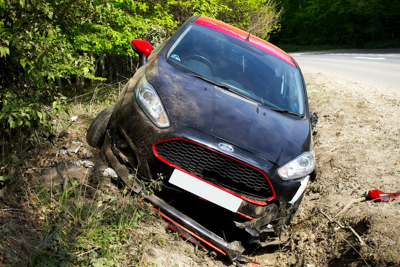

What are the most important steps to take after a car accident?
Call 911. Exchange insurance info. Go home.
Boom. Four sentences. You know all of that stuff. Heck, you've probably done it yourself.
The problem is…
Those aren't the steps that matter when it comes to protecting an auto injury compensation claim. There's a huge disconnect between what people believe they should do after an accident and the important actions they should take.
The difference between knowing those steps and not can cost you thousands.
According to the NHTSA, an estimated 39,345 people died in traffic crashes in 2024. But for every person that died, millions more are left injured and facing vehicle damages, hospital bills, and insurance headaches -- often with no idea how to react or where to turn.
While some people thrive in this chaos, most don't. Not because they're careless. But because they don't know what actually matters.
Working with a car accident lawyer at the Smith Law Center right after an accident happens can mean the difference between a full auto injury payout and a grossly undervalued settlement.
Let's dive into the most underrated (but important) steps to take after an accident.
What you'll learn:
Why People Make Post-Accident Mistakes
The 5 Moves Most People Miss
Quick Reference Checklist
Don't Let Insurance Companies Lowball Your Settlement
Why Most People Make Critical Mistakes After An Accident
Situation: Your adrenaline is pumping. You've just been in an accident.
It can be easy to overlook serious damage. To think you and your vehicle are OK. To trust that the other driver will make things right.
That's where people go wrong.
Post-accident mistakes are rarely made in the moment. They happen hours or even days later when insurance companies find holes to devalue your claim. When someone is back on their feet but your compensation is stuck in limbo.
Here are the exact steps most people don't know about.
The 5 Most Important Moves To Make After An Accident
#1: Take Photos (And Lots of Them)
Document, document, document.
You need photographic evidence of anything and everything that happened. But most people stop at taking a few pictures of the damage on each car.
Guess what insurance adjusters do.
Yep, they look for reasons to pay you less.
But you can protect yourself by denying them angles. Take photos of:
The vehicles from multiple sides
Roads, sidewalks, skid marks, etc.
Traffic lights/signs
Visible injuries
Anything else that's relevant
And guess what else works?
Video footage. A video walkthrough of damage and injuries is ideal.
#2: Get a Police Report – Even For Minor Accidents
Picture this:
You clip someone's bumper out of their parking spot. Both of you get out, check the damage, and introduce yourselves.
"Don't worry about it, I've got insurance," the other driver says.
You both laugh it off and trade numbers. Before driving off and letting your insurance handle it.
Only later that week the other driver decides they're going to "really make you pay for this."
Sound ridiculous? It should. But it happens more than you think.
Without a police report there's no official documentation of the accident. Verbal claims become he said, she said arguments. If you exchange information and never file a report, it undermines your credibility moving forward.
Always file a report. No matter how minor the accident.
#3: Go to the Doctor ASAP
This is probably the most important move to make.
Many injuries (whiplash, soft tissue damage, TBIs) don't have immediate symptoms. In fact, some injuries don't even show up for 24-72 hours.
You could feel perfectly fine at the scene only to wake up the next morning crippled by pain.
Insurers love this. As soon as you gap medical treatment they use it against you. Frantically searching for reasons to pay you less.
CDC statistics show 2.1 million individuals visit the ER for crash related injuries every year. Delayed injury symptoms account for a large percentage of those visits.
So see a doctor on the same day of the accident. Even if you feel fine.
#4: Be Careful What You Say to Others at the Scene
This always catches people off guard.
"Sorry" and "I didn't see you there" are human reactions. Most people automatically apologize or say something to break the tension.
Those aren't the words that should end up in an attorney's summary of facts.
Say as little as possible about what happened.
No apologies. No discussions about who might be at fault. Stick to the facts when talking to police officers or your counterpart.
#5: Don't Accept the First Settlement Offer
Here's how insurance companies are supposed to work:
You file a claim. They assign an adjuster. You provide documentation. They review the claim and present you with a settlement amount.
Too bad that's not how it actually works.
Insurance companies know you're desperate to settle claims as soon as humanly possible. They call you within days of reporting and make outrageous offers.
Lowball offers.
The average settlement is $30,700 higher for people who negotiate versus those who simply take the first offer. That's not a small difference.
Waiting is scary. But don't rush into settlements. Counteroffer, consult with an attorney, and always know your claim's full value before agreeing to terms.
Simple Checklist: Do This After Every Accident
Now that we've gone over the moves to make, let's make a quick reference list.
If you ever find yourself in an accident, run through this list before doing anything else:
Take detailed photos & videos of the scene
Request a police report before leaving the scene
Go to the doctor, even if you feel fine
Don't admit fault or apologize to anyone
Keep documentation of all medical records/bills/receipts
Take daily notes on your recovery progress
Avoid posting about the accident on social media
Staying off social media is advice you don't hear often. But insurance companies investigate social media accounts. One seemingly harmless post can jeopardize your claim.
How Working with Attorneys Protects Your Claim
Did you know the insurance company has a team of people researching ways to pay you less?
Going up against that alone is not a fair fight.
That's not a fair fight.
Victims who hire legal representation receive settlement payouts about 91% of the time. Without a lawyer, that number drops to only 51%.
Having an accident attorney not only increases your likelihood of a payout -- but the amounts with legal help are always higher.
Taking the right steps immediately after an accident happens is how you protect your rights. Getting advice from legal professionals makes sure those rights are upheld.
Key Steps to Take After a Car Accident
When faced with the chaos of a car accident, these 5 things matter most:
Document the scene in photos, videos, etc.
Get a police report (and read it before filing with insurance)
See a doctor ASAP, even if you feel fine
Don't apologize or say you're sorry to the other party
Talk to an attorney BEFORE accepting any settlement offers
The mistakes that destroy claims are almost always cheap, simple fixes. Missing one document. Accepting a lowball settlement.
The small things end up being the things that matter most.
Know what steps to take (and don't take) so you don't leave money on the table.

(0) comments
We welcome your comments
Log In
Post a comment as Guest
Keep it Clean. Please avoid obscene, vulgar, lewd, racist or sexually-oriented language.
PLEASE TURN OFF YOUR CAPS LOCK.
Don't Threaten. Threats of harming another person will not be tolerated.
Be Truthful. Don't knowingly lie about anyone or anything.
Be Nice. No racism, sexism or any sort of -ism that is degrading to another person.
Be Proactive. Use the 'Report' link on each comment to let us know of abusive posts.
Share with Us. We'd love to hear eyewitness accounts, the history behind an article.