
Why Daily Balance Matters
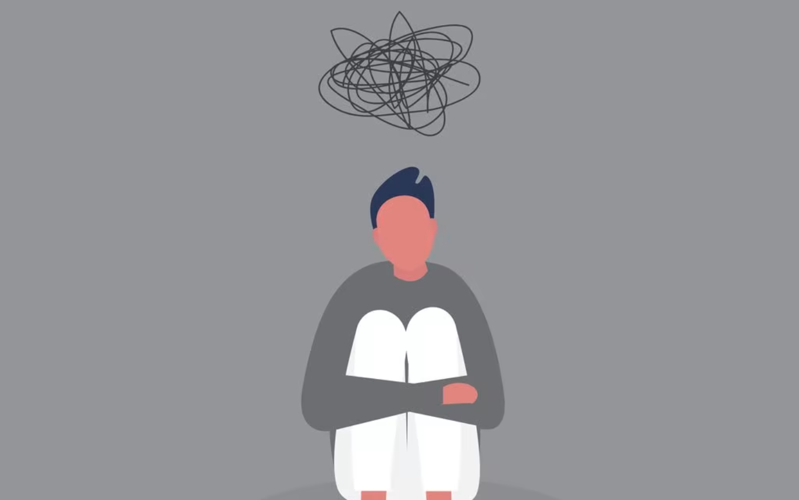
Burnout rarely happens all at once. It builds through weeks of skipped lunches, late-night email checks, and repeatedly choosing to work through exhaustion. Research consistently shows that chronic overwork reduces cognitive performance, slows decision-making, and increases error rates not after months but within days of disrupted recovery cycles. Emotional exhaustion develops in a similar way: when the nervous system never fully decompresses, irritability, detachment, and loss of motivation stop feeling temporary and start becoming part of everyday life. Concentration declines at the same time. A person running on poor sleep and no real downtime struggles to stay deeply focused for longer than 20–30 minutes before attention starts drifting. In many cases, the signs are easy to notice. People stay late to finish one more task, sleep only a few hours to meet deadlines, leave notifications on constantly, and skip breaks because resting feels like wasting time. Each of these choices carries a small cost individually, but stacked across a week, they gradually drain both productivity and mental well-being. A predictable daily rhythm, including consistent wake times, defined work hours, and protected rest periods, gives the body and mind a reliable framework for recovery, which makes long-term productivity possible.

Daily Habits Help Reduce Mental Fatigue
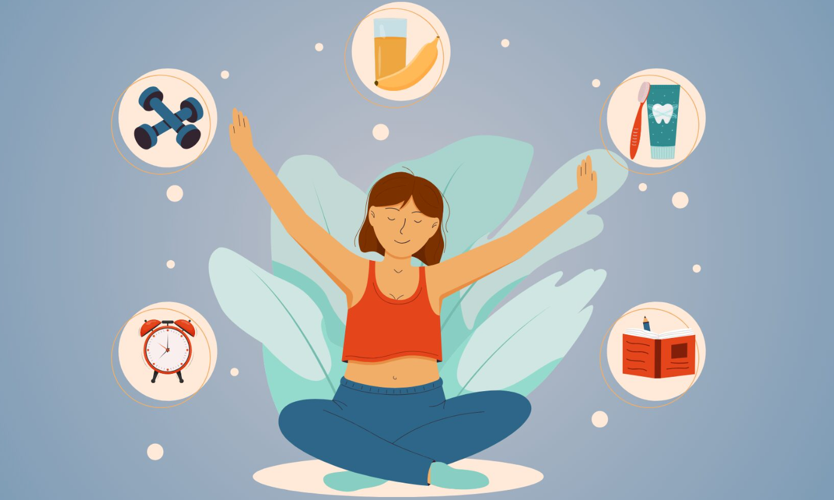
Small daily routines do more for concentration and emotional stability than occasional attempts to recover after burnout has already started. Morning habits are especially important because the first hour after waking influences alertness, cortisol regulation, and mental pacing throughout the day. A short walk outside before checking emails or notifications helps the brain ease into the workday more naturally instead of creating instant stress. Exposure to daylight early in the morning also supports healthier sleep rhythms later at night, which directly improves sleep quality.
Evening routines have a similar effect on mental performance the following day. Many people keep scrolling or consuming content late into the night through social media, streaming platforms, or work messages, which prevents the brain from slowing down properly before sleep. Reducing screen exposure at least one hour before bed lowers overstimulation and improves sleep depth, especially for people who already feel mentally drained. Physical movement also plays a major role in emotional balance. Moderate physical activity several times a week improves circulation, reduces muscle tension caused by prolonged sitting, and supports more stable energy throughout the day without requiring exhausting workouts. Scheduled breaks matter because working without pauses slowly reduces both focus and decision-making quality.
Habit | Why It Matters | Observable Daily Effect |
|---|---|---|
Morning walks before work | Supports gradual mental activation and daylight exposure | Better concentration during the first working hours |
Avoiding screens before sleep | Reduces overstimulation before bedtime | Faster sleep onset and improved overnight recovery |
| Scheduled short breaks during work | Prevents continuous cognitive overload | Lower mental fatigue by the end of the day |
Moderate physical activity three to four times weekly | Helps regulate stress responses and physical tension | More stable energy and mood levels |
Limiting non-essential notifications | Reduces constant attention switching | Improved focus during complex tasks |
Weekly offline leisure activities | Gives the brain time away from digital input | Better emotional recovery after stressful periods |
Realistic daily scheduling | Prevents chronic time pressure and overload | Less anxiety connected to unfinished tasks |
Realistic scheduling is one of the most overlooked habits in daily life. Filling every hour with tasks creates continuous psychological pressure because even minor delays make the entire day feel unmanageable. People who leave buffer time between meetings, errands, or deadlines usually maintain steadier focus and experience less mental strain during busy weeks. Sustainable routines work because they reduce invisible stress accumulation before it develops into long-term burnout.
Better Time Management Reduces Daily Stress
Strong time management habits reduce stress because they stop responsibilities from piling up. Many people create pressure for themselves by treating every task as equally urgent, which quickly leads to mental overload. Prioritizing responsibilities helps separate essential work from activities that can wait until later in the day or week. Flexible routines are especially useful because unexpected situations regularly interrupt even the most organized schedules. A person who leaves small gaps between meetings, errands, or deadlines usually adapts more calmly when plans suddenly change. Dividing time between work and recovery is equally important because nonstop productivity eventually lowers concentration and motivation.
Digital tools can simplify organization when used correctly. Tools like Notion or Google Calendar can make planning feel more manageable by helping people organize tasks and structure their week more realistically. Todoist works well for prioritizing tasks without creating long, overwhelming lists. Apps like Forest can also help reduce phone distractions during focused work sessions, which helps people complete tasks faster with fewer interruptions. Headspace gives users simple breathing exercises and guided relaxation sessions that fit easily into short breaks during busy days. These tools work best when combined with practical habits such as limiting multitasking, scheduling recovery time, and avoiding unrealistic workloads that leave no room for rest.
Why Downtime Matters for Emotional Recovery
Balanced recovery relies on more than sleep alone because leisure is equally important. Research shows that engaging in pleasurable activities can significantly reduce stress. For instance, one study found that 75% of participants had lower cortisol (a stress hormone) after spending time on creative activities. Creative or physical hobbies also boost mood. People report a higher sense of well-being after activities like painting or music. Even short breaks help. Researchers note that spending just ten minutes outdoors can lift mood and improve focus. Some people watch shows in the evening, while others unwind with games or other forms of online entertainment before bed because these activities help shift attention away from work. Casual gaming and casino platforms are part of a routine for some users, especially when they are looking for something simple and low-effort after a stressful day. Since many platforms offer different bonuses, cashback deals, or free spins, people often compare conditions before signing up or depositing. Some players also compare casino offers through sites like https://casinosanalyzer.com/casino-bonuses/bonuskong.com, which lists platforms such as Bonus Kong Casino alongside other online gaming options. For many users, this kind of entertainment is simply a short way to switch off mentally for a while after work. Balance still matters because excessive screen time or constant online activity can easily replace proper recovery if boundaries disappear. Entertainment works best when it supports mental rest instead of adding more exhaustion. People who make time for leisure more intentionally often return to daily responsibilities feeling calmer and less emotionally overloaded.

Small Lifestyle Adjustments Can Prevent Long-Term Exhaustion
Preventing long-term exhaustion rarely depends on dramatic lifestyle changes. Most people experience stable improvement after introducing a few consistent routines that reduce unnecessary physical and mental strain throughout the week. Consistent sleep timing is one of the biggest factors because irregular schedules disrupt recovery even when total sleep duration seems acceptable. Going to bed and waking up within the same 30-minute window every day helps stabilize concentration, emotional regulation, and daytime energy levels. People who constantly shift their sleep schedules between weekdays and weekends often experience lingering fatigue similar to mild jet lag, which gradually weakens productivity and mood over time. Apps such as Sleep Cycle or Rise help track sleep consistency and identify habits that interfere with recovery quality. Clear work boundaries are equally important because mental exhaustion often continues long after the workday officially ends. Defining a fixed time to stop checking emails, silence notifications, and close messaging platforms helps create a clearer boundary between work and personal life. Without that boundary, many people continue thinking about work long after the workday ends. Services like Freedom or One Sec can reduce compulsive app checking by limiting distracting platforms during evening hours. Gradual adjustments also produce stronger long-term results than drastic lifestyle changes that become impossible to maintain after several weeks. Replacing thirty minutes of late-night scrolling with reading, stretching, or journaling creates sustainable improvements without adding pressure to daily routines.
Energy recovery also improves through small weekly rituals that reduce constant mental stimulation. One evening without screens, one quiet breakfast without notifications, or one afternoon reserved for a personal activity can reduce accumulated tension more effectively than occasional extreme rest days. Apps like Headspace and Calm help many people build short recovery sessions into overloaded schedules through guided breathing exercises and short meditation routines. Individually, these habits may seem minor, but consistent recovery routines help reduce accumulated stress and make daily life feel more manageable over time.


(0) comments
We welcome your comments
Log In
Post a comment as Guest
Keep it Clean. Please avoid obscene, vulgar, lewd, racist or sexually-oriented language.
PLEASE TURN OFF YOUR CAPS LOCK.
Don't Threaten. Threats of harming another person will not be tolerated.
Be Truthful. Don't knowingly lie about anyone or anything.
Be Nice. No racism, sexism or any sort of -ism that is degrading to another person.
Be Proactive. Use the 'Report' link on each comment to let us know of abusive posts.
Share with Us. We'd love to hear eyewitness accounts, the history behind an article.