
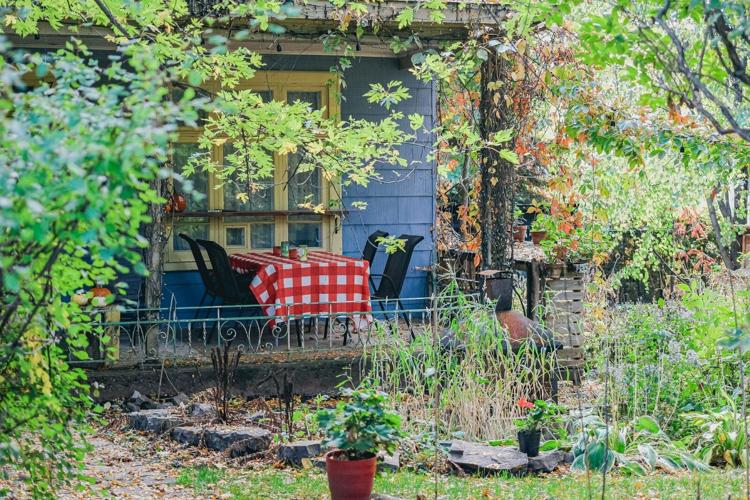
There is a difference between a garden that looks finished and a garden that feels alive. One may have clean furniture, clipped edges, and a few very obedient planters. The other has movement. It has birdsong in the morning, leaves shifting in the afternoon, and the occasional hummingbird behaving like it owns the place.
That is the magic. A beautiful outdoor space should not feel like a showroom that happens to have dirt. It should feel layered, comfortable, and quietly full of life.
For many homeowners, that feeling begins with birds. When birds choose to spend time in a garden instead of simply flying through on their way to somewhere more interesting, it usually means the space is doing something right. It offers food, water, shelter, and enough calm that nature is willing to RSVP yes.
The good news is that you do not need a massive estate, a staff gardener, or a pond large enough to have its own zip code. You can make a garden feel alive with smart planting, thoughtful design, and a little restraint. Nature, unlike some houseguests, does not need to be over-entertained.
Start With the Idea That a Garden Is Not Just Decoration
Outdoor design has changed. Patios, terraces, balconies, and backyards are no longer treated as leftover spaces after the “real” home is finished. They are part of how we live, entertain, relax, and recover from the general absurdity of modern life.

The most successful outdoor spaces do more than look pretty from the kitchen window. They invite you outside. They give you a reason to linger. A chair in the right corner, a pot of lavender near the walkway, a fountain that does not sound like a plumbing emergency, and a few birds moving through the landscape can completely change the mood of a yard.
FINE Magazine’s guide to outdoor spaces that complete the home explores this same idea: the best exterior rooms feel connected to the house, but they also offer something interiors cannot. Air, movement, sunlight, scent, and the occasional bird with a surprisingly strong opinion.
Use Native Plants to Bring the Garden to Life
If you want birds, start with plants. Not just any plants. Native plants are especially valuable because they support the insects, seeds, berries, and shelter that local birds already recognize. Cornell Lab of Ornithology notes that native plants offer a “wild-foods bonanza” for birds and can help draw more species into a yard. Audubon also encourages homeowners to use native plants to create bird-friendly habitats. Cornell Lab of Ornithology and Audubon both offer helpful resources for homeowners who want to choose plants by region.
This is where garden design becomes more interesting. A bird-friendly garden does not have to look wild in the “the HOA has sent three letters” sense. It can be refined, intentional, and beautiful. The key is layering.
Think trees, shrubs, grasses, flowering perennials, and groundcovers. Birds need places to perch, hide, feed, and nest. A flat lawn with one lonely palm tree is not exactly a wildlife resort. A layered garden, even a small one, gives birds more reasons to visit and more reasons to stay.
Add Water Without Turning the Yard Into a Theme Park
Water is one of the simplest ways to make a garden feel alive. A shallow birdbath, small fountain, recirculating water feature, or discreet basin tucked into planting can bring movement and sound into the garden.
The National Wildlife Federation identifies food, water, cover, and places to raise young as essential parts of a wildlife-friendly habitat. Its habitat guidance also recommends a strong native-plant foundation, with a suggested goal of at least 70 percent native plants for a wildlife garden. NWF’s habitat essentials are a useful starting point for homeowners who want an outdoor space that supports birds and pollinators without sacrificing style.
For design purposes, keep water features simple. Birds do not need a Versailles fountain. They need clean, accessible water with a safe place to land. A shallow birdbath placed near shrubs or layered planting can feel elegant and natural, while still being useful.
Just remember to clean it regularly. A birdbath should be charming, not a tiny mosquito nightclub.
Design for Shelter, Not Just Color
Flowers are lovely, but birds also need structure. Shrubs, small trees, hedges, grasses, and dense planting areas provide cover from predators, wind, and weather. Cornell Lab’s bird-friendly garden guidance notes that different canopy levels can support different shelter needs, and even simple brush or layered plantings can give birds safer places to hide. Cornell’s bird-friendly garden tips are especially helpful for thinking beyond seasonal flowers.
This is where polished gardens sometimes go wrong. They are edited so severely that nothing is left for wildlife. Every hedge is clipped into submission. Every leaf is removed. Every corner is cleaned until the garden feels less like a living environment and more like an outdoor lobby.
A more interesting garden has layers and softness. It can still be elegant. It can still be maintained. But it should leave room for life to happen. A few seed heads, dense shrubs, and protected corners can do more for birds than another decorative object no one needed in the first place.
Let Movement Become Part of the Design
Interior designers often talk about flow: how people move through a room, how the eye travels, how light shifts during the day. Gardens have flow too, but in a garden, the movement is not only human. It comes from birds, bees, butterflies, grasses, branches, water, and shadows.

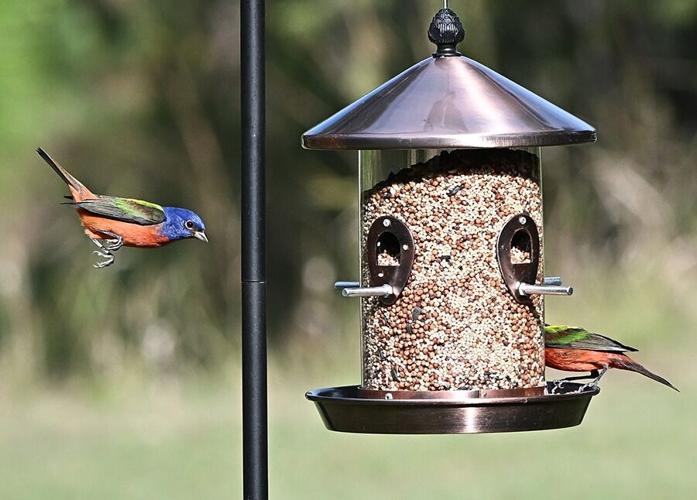
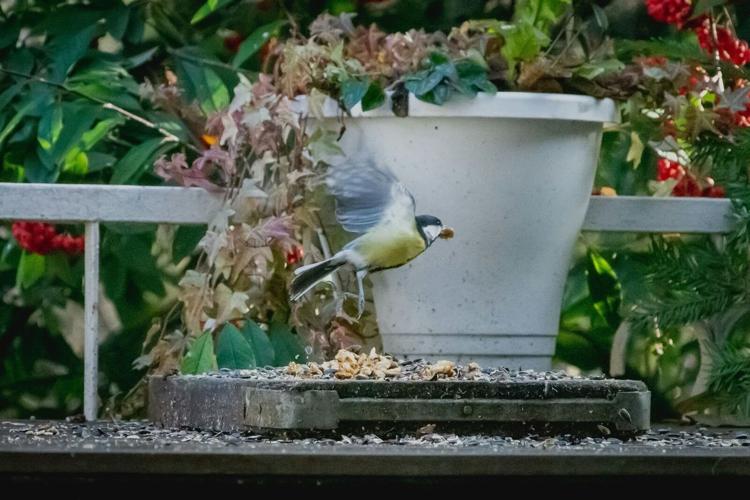
Birds add a kind of animation that no accessory can replicate. A sparrow landing on a branch, a hummingbird hovering near flowers, a finch pausing at a feeder, or a mockingbird acting like it personally owns the neighborhood can make the garden feel dimensional.
This movement is one of the reasons bird-friendly gardens feel so different from purely decorative ones. They do not just sit there looking expensive. They participate.
Use Feeders Thoughtfully
Bird feeders can be a wonderful addition, but they should support the garden rather than dominate it. Place feeders near layered planting or garden edges where birds can approach and retreat safely. Avoid placing them too close to windows, and keep them where you can clean and refill them easily.
Project FeederWatch, a Cornell Lab of Ornithology and Birds Canada program, recommends regularly cleaning feeders to help prevent disease. Its guidance says feeders should be soaked or scrubbed with a dilute bleach solution, thoroughly rinsed, and dried before adding fresh food. Project FeederWatch’s cleaning guidance is a useful reminder that feeding birds is not just charming; it is a responsibility.
Design-wise, choose feeders that fit the mood of the garden. A simple, well-placed feeder can disappear into the landscape. A bad one can make the yard look like a clearance aisle got caught in a windstorm.
Make the Garden Feel Spacious, Even If It Is Not
A bird-friendly garden does not need to be large, but it should feel layered and navigable. Small yards, side yards, patios, and even balconies can support life with the right plants and water sources.
The trick is to avoid filling every inch. Leave room for the eye to move. Use vertical planting, container gardens, trellises, slender trees, and layered pots to create depth. In a smaller outdoor area, a single birdbath, a few native plants, and a comfortable chair can feel more luxurious than an overcrowded yard filled with furniture no one can walk around.
For homeowners working with a tighter footprint, FINE Magazine’s guide to designing a backyard that feels open and spacious has more ideas for making outdoor areas feel generous without overbuilding them.
Think About the View From Inside
A garden should be designed not only for how it feels when you are outside, but also for how it looks from inside the home. A kitchen window, breakfast nook, bedroom, or living room can become a quiet viewing point when the garden has movement and life.
Place bird-friendly plantings where you can actually see them. Add water where the light catches it. Use shrubs and small trees to frame views. The goal is not to create a stage set. It is to give the home a living backdrop that changes throughout the day.
This is the difference between a yard you own and a garden you experience.
Choose Outdoor Features That Do Not Fight Nature
If your backyard includes a pool, patio, outdoor kitchen, or entertaining space, bird-friendly design can still fit beautifully. The key is creating balance. Hardscape gives structure. Planting gives softness. Water, shade, and habitat give the space life.
Even a polished pool area can benefit from nearby planting, shade trees, and quieter corners that soften the overall look. For homeowners planning a larger backyard project, FINE Magazine’s guide to top pool builders in San Diego is a helpful place to start when thinking about how pools, patios, and planting can work together.
The most beautiful outdoor spaces are not sterile. They may be manicured, but they are not lifeless. They leave room for shade, breeze, movement, and the occasional bird bath drama.

Let the Garden Change With the Seasons
A garden that feels alive will not look exactly the same every month. That is the point. Spring may bring nesting activity and new growth. Summer may bring shade, flowers, and pollinators. Fall may bring seed heads, berries, and a softer palette. Winter may reveal structure and branches that were hidden by foliage.
Do not rush to erase every seasonal change. Some of the most interesting gardens are allowed to breathe a little. They are maintained, but not micromanaged. They have enough structure to feel designed and enough looseness to feel real.
That balance is what keeps a garden from becoming boring. Perfection is static. Life is not.
The Bottom Line
To make a garden feel alive, design for more than appearance. Add native plants, layered shelter, clean water, thoughtful feeders, open views, and enough quiet corners for birds and wildlife to feel welcome.
The result is a garden that does not simply decorate the home. It changes the way the home feels. It invites you outside, slows the pace of the day, and reminds you that the best outdoor spaces are not controlled into stillness. They move. They sing. They surprise you.
And frankly, any garden that can make morning coffee feel like a small private retreat has already earned its place in the design plan.

(0) comments
We welcome your comments
Log In
Post a comment as Guest
Keep it Clean. Please avoid obscene, vulgar, lewd, racist or sexually-oriented language.
PLEASE TURN OFF YOUR CAPS LOCK.
Don't Threaten. Threats of harming another person will not be tolerated.
Be Truthful. Don't knowingly lie about anyone or anything.
Be Nice. No racism, sexism or any sort of -ism that is degrading to another person.
Be Proactive. Use the 'Report' link on each comment to let us know of abusive posts.
Share with Us. We'd love to hear eyewitness accounts, the history behind an article.