
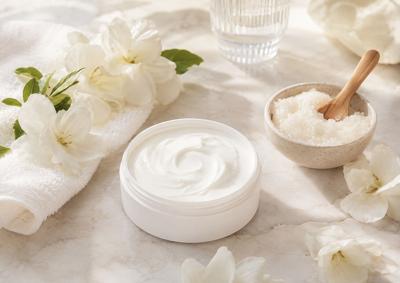

Body scrubs have had quite the beauty evolution. Once treated like a gritty little shower extra, they are now part of the full at-home spa ritual: polish, rinse, moisturize, and emerge slightly more glamorous than you were ten minutes earlier. At least, that is the goal.
The best body scrubs for softer skin do more than make your shower smell like a tropical vacation. A good scrub helps lift away dull, dry surface skin so arms, legs, shoulders, elbows, and feet feel smoother and look more refreshed. The trick is choosing the right type of exfoliant for your skin and not scrubbing like you are refinishing antique furniture.
Used correctly, body scrubs can be wonderful. Used too aggressively, they can leave skin red, irritated, or more sensitive than before. Harvard Health explains that exfoliation can be done mechanically with scrubs, brushes, or washcloths, or chemically with ingredients such as hydroxy acids or salicylic acid. The same guidance also warns that overdoing it can irritate skin, especially for people with sensitive skin.
Why Body Scrubs Still Deserve a Place in the Shower
Skin naturally sheds dead cells, but sometimes that process could use a little polite encouragement. Dry weather, shaving, self-tanner, sweat, sunscreen, and long days in leggings can all leave skin feeling less than silky. A body scrub helps smooth that outer layer so moisturizer applies better and skin feels softer to the touch.
That does not mean everyone needs a heavy-duty scrub. Some people do best with a gentle sugar polish once a week. Others may prefer a chemical exfoliant with ingredients such as lactic acid, glycolic acid, or salicylic acid. And some people should skip scrubs entirely when skin is sunburned, freshly shaved, irritated, or dealing with a flare-up. Beauty is lovely. Scrubbing angry skin is not beauty. It is a bad meeting with your shower.
This is also where a thoughtful gentle skincare routine matters. Exfoliation should make skin feel smoother, not punished. For readers building a more polished beauty ritual, body care belongs in the same conversation as face care, SPF, and the small daily habits that help prevent premature skin aging without chasing every miracle product on the internet.
Choose the Right Scrub for Your Skin Type
If your skin is normal and not easily irritated, a gentle sugar scrub or finely milled body polish can be a beautiful choice. Sugar tends to dissolve as you massage it into damp skin, which can make it feel less harsh than some salt-based formulas. Look for scrubs paired with oils, butters, glycerin, aloe, or other moisturizing ingredients so skin feels conditioned instead of stripped.
If your skin is dry, look for creamy exfoliating formulas with shea butter, cocoa butter, oat, almond oil, apricot oil, or jojoba oil. Dry skin does not need punishment. It needs a soft nudge followed by a very good moisturizer.
If your skin is oily or prone to clogged pores on the body, you may prefer a body treatment with salicylic acid. This can be especially helpful for areas like the back, shoulders, or upper arms. Just avoid layering too many strong exfoliants at once. More is not always more. Sometimes more is just red.
If your skin is sensitive, skip rough walnut shells, large salt crystals, and anything that feels sharp. A soft washcloth, gentle body polish, or mild chemical exfoliant may be a better choice. For very dry or eczema-prone skin, the National Eczema Association recommends moisturizing after bathing to help support the skin barrier. Translation: exfoliate gently, then moisturize like you mean it.
What to Look For in a Good Body Scrub
The best body scrubs for softer skin usually have two jobs: exfoliate and comfort. The exfoliating part may come from sugar, salt, rice powder, bamboo powder, pumice, or gentle acids. The comfort part comes from the supporting ingredients: shea butter, plant oils, aloe, glycerin, vitamin E, oat, honey, or other soothing additions.
Texture matters. A good body scrub should feel grainy enough to polish but not so abrasive that it scratches. If you feel stinging, burning, or lingering redness, that is not your skin “detoxing.” That is your skin filing a complaint.
Fragrance is another consideration. A beautifully scented scrub can turn a shower into a small vacation, but fragrance may bother sensitive skin. If you know your skin reacts easily, choose fragrance-free or lightly scented formulas and save the dramatic perfume moment for somewhere less reactive.
How Often Should You Use a Body Scrub
For most people, one to two times a week is plenty. Harvard Health notes that exfoliating every day is usually too much and that skin needs time to repair between exfoliation sessions. If your skin is sensitive or dry, start with once a week and see how your skin responds.
The method matters as much as the product. Apply your scrub to damp skin, use light pressure, and massage in small circles. You do not need to scrub for five minutes. Thirty seconds to a minute on each area is usually enough. Rinse well with lukewarm water, then pat skin dry instead of rubbing it with a towel like you are drying a golden retriever.
What About Rough Bumps and Keratosis Pilaris
Those tiny rough bumps on the upper arms, thighs, or cheeks may be keratosis pilaris, a common and harmless skin condition that can look like little plugs or red bumps. Scrubbing aggressively usually does not fix it and can make irritation worse.
For rough, bumpy skin, gentle consistency matters more than force. Some people do better with a soft physical exfoliant, while others prefer body lotions or washes with chemical exfoliating ingredients. If bumps are painful, inflamed, itchy, spreading, or not improving, it is worth checking with a dermatologist. A body scrub is a nice shower product. It is not a medical degree in a jar.
The Step Everyone Forgets After Exfoliating
Here is where many people ruin a perfectly good scrub routine: they exfoliate and then skip moisturizer. Freshly polished skin needs hydration. Without it, skin can feel dry again quickly, which defeats the entire purpose of the ritual.
After exfoliating, apply body cream, lotion, oil, or body butter while skin is still slightly damp. This helps seal in softness and makes the whole process feel more luxurious. Think of the scrub as the prep step and the moisturizer as the grand finale.
Kai Body Butter Is the Luxury Finish
For the after-scrub step, Kai Body Butter is a polished choice for readers who want body care that feels more like a spa ritual than a chore. It is not a scrub, and it is not coconut body butter. It belongs here because it works beautifully after exfoliation, when skin is ready for moisture and softness.
It also fits neatly into the kind of elevated warm-weather routine we covered in our luxury summer beauty essentials, where small beauty upgrades make everyday life feel more polished.
The formula is built around a silky shea butter base with safflower oil, apricot oil, antioxidant vitamins, and botanical extracts. The texture gives skin that soft, supple, just-cared-for finish that makes elbows, shoulders, legs, and arms feel smoother after a shower.
The scent is part of the appeal. Kai is known for its signature gardenia and white-exotics fragrance, so this is best for someone who loves a beautifully scented body product. If you prefer fragrance-free skincare or have very reactive skin, choose something simpler. If you love a soft, clean, feminine scent that lingers in a tasteful way, this is where the routine becomes very FINE.
Body Scrub Mistakes to Avoid
The biggest mistake is using too much pressure. Let the product do the work. If your skin looks polished and comfortable afterward, you did it correctly. If it looks angry, you overdid it.
Do not use a rough scrub right before or after shaving if your skin is easily irritated. Do not scrub sunburned skin. Do not use body scrubs on broken skin, fresh waxing areas, or active rashes. And do not assume that a scrub labeled “natural” is automatically gentle. Sandpaper is natural too, and nobody wants that in a beauty routine.
It is also smart to keep separate expectations for face and body. Facial skin is more delicate, and many body scrubs are too abrasive for it. If a product is not clearly designed for facial use, keep it below the neck.
The Bottom Line on Softer Skin
The best body scrubs for softer skin are not necessarily the strongest ones. They are the ones that fit your skin type, polish without irritation, and leave your skin ready for moisture. A good scrub can make skin feel smoother, brighter, and more touchable, but the real secret is restraint.
Use a gentle hand. Moisturize afterward. Choose ingredients that make sense for your skin. And remember, the goal is not to scrub yourself into a new person. It is simply to look a little smoother, feel a little softer, and turn an ordinary shower into something that feels faintly like a hotel spa, without having to tip anyone in a robe.

(0) comments
We welcome your comments
Log In
Post a comment as Guest
Keep it Clean. Please avoid obscene, vulgar, lewd, racist or sexually-oriented language.
PLEASE TURN OFF YOUR CAPS LOCK.
Don't Threaten. Threats of harming another person will not be tolerated.
Be Truthful. Don't knowingly lie about anyone or anything.
Be Nice. No racism, sexism or any sort of -ism that is degrading to another person.
Be Proactive. Use the 'Report' link on each comment to let us know of abusive posts.
Share with Us. We'd love to hear eyewitness accounts, the history behind an article.