
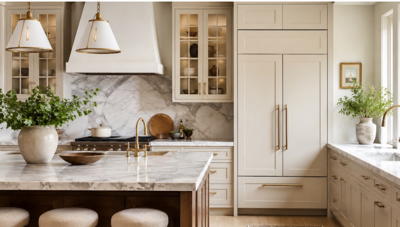

A designer kitchen is one of those upgrades that can completely change the way a home feels. It is where morning coffee happens, where guests gather, where family routines unfold, and where beautiful design has to stand up to everyday use.
But a kitchen like this is also a serious investment. Custom cabinetry, stone countertops, built-in refrigeration, professional ranges, wine storage, and smart appliances are not inexpensive details. They are carefully chosen pieces of a larger design. And if they are not installed, maintained, and repaired properly, even a stunning kitchen can start to lose its value.
To get practical advice, we spoke with Alex, an Appliance EMT Master Technician with more than 10 years of experience installing and repairing high-end appliances in Atlanta. His perspective is simple: the more customized the kitchen, the more important it is to care for the appliances as part of the overall design.
That is especially true with built-in refrigeration. When a premium refrigerator is surrounded by custom panels, stone flooring, and tailored cabinetry, even a small cooling issue can turn into a bigger problem. Homeowners who need refrigerator repair in Atlanta should look for technicians who understand not only the appliance, but also the finished space around it.
A Designer Kitchen Needs More Than Good Looks
Most homeowners spend a lot of time thinking about the design phase. They compare countertops, choose cabinet finishes, select hardware, review appliance packages, and plan the lighting. Once the kitchen is finished, though, maintenance often falls to the bottom of the list.
Alex says that is where problems can begin.
“High-end appliances are built to perform well, but they still need the right installation, ventilation, spacing, and care,” he explains. “In a designer kitchen, the appliances are often built into the room. So when something goes wrong, the repair can be more complicated than people expect.”
Built-in refrigerators, panel-ready dishwashers, professional ranges, wall ovens, steam ovens, warming drawers, and wine coolers are often surrounded by custom cabinetry. That gives the kitchen a seamless look, but it also means airflow, access, and service clearance matter.
A beautiful kitchen should not only look polished. It should also work well for years.
For homeowners still planning their space, it also helps to think about appliance selection early in the design process. Fine Homes & Living’s guide to luxury kitchen upgrades offers useful ideas for choosing the tools and features that can turn a kitchen into a true chef-inspired space.
Start With Proper Appliance Installation
A designer kitchen is one of those upgrades that can completely change the way a home feels. It is where morning coffee happens, where guests gather, where family routines unfold, and where beautiful design has to stand up to everyday use.
Protecting a designer kitchen starts before the first meal is ever cooked. It starts with proper installation.
Luxury appliances are rarely as simple as sliding a unit into place and plugging it in. Many need careful leveling, dedicated electrical connections, water lines, ventilation clearance, anti-tip protection, panel alignment, and manufacturer-specific setup.
Alex has seen how small installation mistakes can lead to bigger problems later.
“A built-in refrigerator can look perfect from the outside,” he says. “But if it does not have the airflow it needs, the compressor may have to work harder. That can shorten the life of the appliance.”
Some of the most common installation issues in high-end kitchens include:
- · Poor airflow around built-in refrigeration
- · Incorrect water line connections
- · Appliances that are not level
- · Cabinet panels that interfere with doors or hinges
- · Ranges installed without proper clearance
- · Dishwashers attached incorrectly to custom cabinetry
- · Smart appliances that are never fully configured
For premium appliances, professional installation is not just a convenience. It helps protect the warranty, the cabinetry, and the long-term performance of the kitchen.
Watch for Damage Around Custom Cabinetry
One of the biggest risks in a designer kitchen is damage that starts quietly.
A small refrigerator leak can affect wood flooring. A dishwasher seal can fail and damage the cabinet base. A range without proper ventilation can discolor nearby finishes. An ice maker that does not drain correctly can create moisture behind panels.
By the time the problem is obvious, the repair may involve more than the appliance.
Alex recommends paying attention to small changes around each appliance.
“Look for little signs,” he says. “Swelling near cabinet bases, water spots, unusual warmth, frost buildup, or a change in sound can all mean something needs to be checked.”
In a luxury kitchen, the surrounding materials are often just as valuable as the appliance itself. Protecting the cabinetry, flooring, stone, and millwork is part of protecting the whole investment.
Keep Refrigeration Systems Running Well
Refrigeration is one of the hardest-working systems in any kitchen. In a high-end home, there may be several cooling appliances working at once: a built-in refrigerator, freezer columns, beverage drawers, a wine cooler, an undercounter refrigerator, or an outdoor kitchen fridge.
Because these appliances run day and night, they need regular attention.
Alex says homeowners should pay attention to warning signs such as:
- · Food spoiling faster than usual
- · Ice buildup in the freezer
- · A refrigerator that sounds louder than normal
- · Water pooling near the unit
- · Temperature changes
- · Warm spots inside the refrigerator
- · A door that does not seal tightly
- · Unusual heat near the appliance
A small refrigeration issue should not be ignored, especially when the appliance is built into custom cabinetry. The sooner it is checked, the less likely it is to affect the surrounding finishes.
Do Not Overlook Ventilation
Ventilation is not always the most glamorous part of a kitchen, but it is one of the most important.
Refrigerators need airflow to keep compressors from overheating. Professional ranges need strong ventilation to handle heat, steam, smoke, and grease. Wall ovens, microwave drawers, and built-in appliances also need proper clearances to work safely and efficiently.
Alex says airflow problems are more common than many homeowners realize.
“Dust, pet hair, grease, and debris can build up around vents and grilles,” he explains. “When airflow is blocked, the appliance has to work harder. Over time, that can lead to performance problems.”
Homeowners should check the maintenance recommendations for each appliance. Condenser coils, filters, grilles, and vents may need to be cleaned or inspected regularly.
Take Small Performance Changes Seriously
Luxury appliances often give warning signs before they fail completely. The signs may be subtle: a refrigerator runs longer than usual, a dishwasher leaves dishes damp, an oven takes more time to preheat, or a wine cooler does not hold a steady temperature.
These changes are easy to overlook, especially when the appliance still seems to be working.
Alex recommends acting early.
“A small issue is usually easier to fix than a complete breakdown,” he says. “If you wait too long, one failing part can put stress on other parts.”
In a designer kitchen, early service is not just about avoiding inconvenience. It can help prevent damage to cabinetry, floors, counters, and surrounding finishes.
Choose Repairs That Protect the Design
A standard appliance repair usually focuses on making the appliance work again. In a designer kitchen, that is only part of the job.
The repair also has to protect the look of the kitchen.
Panel-ready refrigerators and dishwashers need careful handling. Built-in units may need to be removed without scratching floors or damaging cabinet edges. Heavy ranges and wall ovens have to be moved safely. Custom panels must be reinstalled correctly so the finished kitchen still looks seamless.
Alex says a technician working in this kind of space has to think beyond the machine.
“When you are working in a high-end kitchen, you have to think like a technician and a craftsman,” he says. “You are not just repairing an appliance. You are working inside someone’s finished design.”
A qualified technician should understand how to:
- · Protect floors and cabinetry during service
- · Remove and reinstall built-in appliances safely
- · Diagnose premium appliance systems
- · Use the right replacement parts
- · Avoid unnecessary damage to surrounding finishes
- · Restore door and panel alignment after the repair
The goal is not only to fix the problem. It is to leave the kitchen looking the way it should.
Protect Countertops, Backsplashes, and Flooring
Stone countertops, quartz surfaces, porcelain slabs, designer tile, and hardwood flooring can all be damaged during careless appliance service.
Heavy appliances should never be dragged across finished floors. Tools should not be placed directly on stone or tile. Built-in appliances should not be forced out of tight spaces. If something does not move easily, there may be a leveling, cabinetry, flooring, or panel issue that needs to be handled carefully.
Before a major repair or installation, homeowners should ask how the technician plans to protect the space. Floor coverings, padding, careful lifting, and the right tools can make a significant difference.
Keep Appliance Records in One Place
High-end appliances often come with detailed manuals, warranty information, model numbers, serial numbers, installation instructions, and maintenance guidelines. Keeping those records organized can make future service much easier.
A simple digital folder or printed file should include:
- · Brand and model number
- · Serial number
- · Purchase date
- · Installation date
- · Warranty details
- · Service history
- · User manuals
- · Installer information
- · Photos of the appliance and surrounding panels
Alex says this information can save time during a service call.
“When we know the exact model and the service history, we can prepare better,” he explains. “That often means a faster diagnosis and fewer delays.”
For custom kitchens, photos can also help document how panels, handles, and trim were originally installed.
Schedule Maintenance Before the Kitchen Is Under Pressure
In Atlanta, summer heat and humidity can put extra strain on home appliances, especially refrigeration. Kitchens also tend to work harder before holidays, family gatherings, and entertaining seasons.
A little preventive maintenance before those busy times can help avoid stressful breakdowns.
Before summer or a major hosting season, homeowners may want to check:
- · Refrigerator temperature settings
- · Freezer performance
- · Door gaskets and seals
- · Condenser coils
- · Ice maker function
- · Water filters
- · Wine cooler temperature stability
- · Outdoor kitchen appliances
- · Vent hood filters
- · Dishwasher drainage
A refrigerator failure is inconvenient on any day. It is even more frustrating right before a dinner party, during a holiday, or while the homeowner is traveling.
Be Careful With DIY Repairs
Some maintenance tasks are fine for homeowners to handle. Replacing a water filter, wiping down a door gasket, or cleaning an accessible vent may be simple enough.
But repairs are different.
Designer kitchens often include complex appliances, tight installations, custom panels, gas lines, electrical components, and water connections. A DIY repair can quickly turn into a more expensive problem.
DIY repairs may:
- · Void the appliance warranty
- · Damage custom cabinetry
- · Cause leaks or electrical issues
- · Use the wrong replacement part
- · Misdiagnose the real problem
- · Make the final repair more expensive
Alex puts it this way: “There is a difference between maintenance and repair. Cleaning a filter is one thing. Working on electrical components, sealed systems, gas connections, or built-in refrigeration is another.”
Knowing when to call a professional is part of protecting the kitchen.
Build a Relationship With a Trusted Appliance Specialist
Many homeowners already have a list of trusted professionals: a designer, contractor, plumber, electrician, landscaper, and cleaning service. A qualified appliance specialist should be part of that list too.
This is especially helpful in homes with several premium appliances. A technician who is familiar with the kitchen can understand the layout, appliance history, access points, and any recurring issues.
A good appliance specialist can help with:
- · Maintenance planning
- · Early problem detection
- · Repair recommendations
- · Protection of nearby finishes
- · Replacement guidance
- · Coordination with designers or contractors
For a designer kitchen, having the right technician already in place can make future repairs less stressful.
Know When Repair or Replacement Makes More Sense
Even the best appliances do not last forever. At some point, a homeowner may need to decide whether to repair or replace a unit.
That decision is not always simple in a designer kitchen. A replacement appliance has to fit the existing opening, work with the cabinetry, match the panel style, connect to the existing utilities, and provide the right ventilation.
Alex says homeowners should look beyond the price of the appliance.
“Replacing a built-in appliance is not always simple,” he explains. “You have to think about dimensions, panels, cabinetry, plumbing, electrical, and how the new unit will fit into the design.”
Before replacing a major appliance, confirm:
- · Exact appliance dimensions
- · Cabinet opening requirements
- · Door swing and handle clearance
- · Panel compatibility
- · Utility connections
- · Ventilation needs
- · Delivery access
- · Installation requirements
- · Possible cabinet or countertop modifications
A thoughtful replacement plan can prevent unnecessary changes to the kitchen.
Frequently Asked Questions
How often should high-end kitchen appliances be serviced?
Most high-end kitchen appliances should be inspected about once a year. Built-in refrigerators, freezer columns, wine coolers, professional ranges, and dishwashers may need closer attention if they are used heavily or are part of a busy household.
What is the most important appliance to maintain in a designer kitchen?
Refrigeration is usually one of the most important systems to maintain because it runs constantly. If a built-in refrigerator fails, the issue can affect food storage, cabinetry, flooring, and the overall function of the kitchen.
What are signs that a luxury refrigerator needs service?
Watch for temperature changes, frost buildup, unusual noises, water near the unit, weak door seals, excessive heat, or food spoiling faster than usual. In a high-end kitchen, it is better to check these problems early.
Why should homeowners avoid DIY appliance repairs in a designer kitchen?
DIY repairs can damage custom cabinetry, void warranties, cause leaks, create electrical risks, or lead to the wrong part being replaced. Built-in and luxury appliances often require brand-specific experience and careful handling.
Can poor appliance installation damage a designer kitchen?
Yes. Poor installation can lead to leaks, overheating, uneven doors, airflow problems, cabinet damage, and poor performance. Built-in refrigerators, dishwashers, ranges, and wall ovens should be installed according to manufacturer specifications.
When should a homeowner call a specialist for refrigerator service?
A homeowner should call a specialist when the refrigerator is not cooling properly, leaking, making unusual sounds, running constantly, or showing error codes. Early service can help protect both the appliance and the surrounding finishes.
How can homeowners protect custom cabinets during appliance service?
Ask how the technician will protect the area before the work begins. Floors, cabinet panels, countertops, and nearby finishes should be covered or handled carefully. Built-in appliances should never be forced out of place.
Is preventive maintenance worth it for luxury kitchen appliances?
Yes. Preventive maintenance can catch small problems before they become expensive repairs. It can also help appliances run better, last longer, and reduce the risk of breakdowns before holidays, events, or peak summer weather.
A designer kitchen should be cared for as a complete system. The appliances, cabinetry, flooring, countertops, ventilation, plumbing, and electrical connections all work together.
That is why maintenance matters. Proper installation, regular inspections, early repairs, and careful service can help preserve both the function and beauty of the kitchen.
As Alex from Appliance EMT explains, “A high-end kitchen is a system. The appliances, cabinetry, ventilation, plumbing, and finishes all work together. When you care for that system properly, the kitchen stays beautiful and functional for years.”
For homeowners who have invested in a luxury kitchen, proactive care is one of the best ways to protect that investment. A well-maintained designer kitchen does more than look impressive. It works beautifully, day after day.
(0) comments
We welcome your comments
Log In
Post a comment as Guest
Keep it Clean. Please avoid obscene, vulgar, lewd, racist or sexually-oriented language.
PLEASE TURN OFF YOUR CAPS LOCK.
Don't Threaten. Threats of harming another person will not be tolerated.
Be Truthful. Don't knowingly lie about anyone or anything.
Be Nice. No racism, sexism or any sort of -ism that is degrading to another person.
Be Proactive. Use the 'Report' link on each comment to let us know of abusive posts.
Share with Us. We'd love to hear eyewitness accounts, the history behind an article.