
A beautiful pool can look ready from the patio, especially when the water surface is clear and the sunlight makes everything look fresh. For a home built around outdoor living, that first impression matters. Guests notice floating leaves, water clarity, the waterline, and whether the pool feels inviting.
But a clean-looking surface does not always mean the whole pool is clean.
Pool debris usually falls into two main groups. Surface debris includes leaves, pollen, insects, grass clippings, sunscreen residue, body oils, and small floating particles. Floor debris is different. It includes sand, silt, dust, settled leaves, fine organic matter, and particles that have already sunk to the bottom.
Both types matter. Skimming the surface helps stop debris before it sinks. Floor cleaning removes what skimming can no longer reach. Brushing, filtration, and water balance complete the routine. A pool that feels truly clean needs all of these working together, especially if it is part of a polished outdoor space used for family time, entertaining, or everyday relaxation.
What Counts as Surface Debris in a Pool
Floating Leaves, Pollen, Insects, and Oils
Surface debris is the material that sits on top of the water before it sinks or breaks down. Leaves, petals, pollen, grass clippings, bugs, and small garden debris are common examples. Pools near trees, lawns, flower beds, or open patios usually collect more of it.
There is also another layer people do not always see right away: oils and residue. Sunscreen, body oils, cosmetics, and lotions can create a light film on the surface or collect around the waterline. After a pool party or a hot afternoon of swimming, that film can make the water feel less fresh even if there are no obvious leaves floating around.
Surface cleaning is time sensitive. If floating debris is removed early, it does not have a chance to sink, stain, clog baskets, or add organic load to the water. If it stays too long, the pool filter has more work to do, the floor gets dirtier, and the waterline may collect more residue.
That is why quick skimming is not just cosmetic. It is prevention.
What Counts as Floor Debris and Why It Is Harder to See
Sand, Silt, Fine Dust, and Settled Organic Matter
Floor debris is the material that has already dropped below the surface. It may come from wind, shoes, pets, landscaping, swimmers, or debris that started out floating and later sank.
Sand is usually easy to understand. It collects in low spots and corners. Silt and fine dust are more subtle. They can settle across the floor in a thin layer that only becomes visible when sunlight hits the water at the right angle. Small leaf fragments, dead insects, and algae spores can also collect near steps, slopes, drains, and low-flow areas.
This kind of debris is harder to manage because skimming will not reach it. Once it is on the floor, the pool needs vacuuming, robotic floor cleaning, or another bottom-cleaning method. If the debris is brushed up but not removed, it can float back into the water and make the pool look cloudy.
For homeowners comparing an above ground pool vacuum cordless option, the key lesson is still the same: floor cleaning solves a different problem from surface skimming. A cleaner may help remove settled debris, but it will not prevent floating leaves, pollen, and oils from entering the water in the first place.

Why Skimming Alone Is Not Enough for a Clean Pool
Skimming is one of the easiest and most useful pool habits. It removes leaves, insects, pollen, and surface debris before they sink. It also helps the pool look more inviting right away, which matters when the backyard is part of a home’s entertaining space.
Still, skimming has limits.
A hand skimmer or built-in skimmer only works on what is floating and moving within reach. Wind direction, pool shape, water flow, and landscaping can all affect where debris gathers. Some leaves may collect in corners. Pollen can spread across the surface. Oils may cling around the waterline.
Skimming also cannot remove sand, fine dirt, or settled debris from the floor. It cannot scrub the waterline. It cannot brush algae film from walls or steps.
A pool can look photo-ready from a distance, but when sunlight hits the bottom, a thin layer of dust or grit may suddenly appear. That is why surface cleaning should be the first step, not the only step.
Why Floor Cleaning Alone Still Leaves the Pool Feeling Unfinished
Floor cleaning is just as important, but it also has limits. A vacuum or floor-cleaning robot can remove dirt, sand, and settled particles from the bottom. That helps keep the water clearer and prevents debris from building up in corners or low spots.
But floor cleaning does not stop new debris from entering the pool. Leaves can still land on the surface after the vacuum cycle ends. Pollen can still form a film. Sunscreen and body oils can still collect near the waterline. If the surface is ignored, some of that floating material will eventually sink, creating more floor debris again.
The order matters. A good routine often starts with skimming, then brushing, then vacuuming or running a cleaner. This way, floating leaves and bugs are removed first, wall and waterline buildup is loosened, and floor debris is collected before it spreads.
For pools used often, especially those near gardens, outdoor dining areas, or lounge spaces, the goal is not one perfect deep clean. The goal is steady care across every layer of the pool.

A Smarter Way to Handle Both Surface and Floor Debris
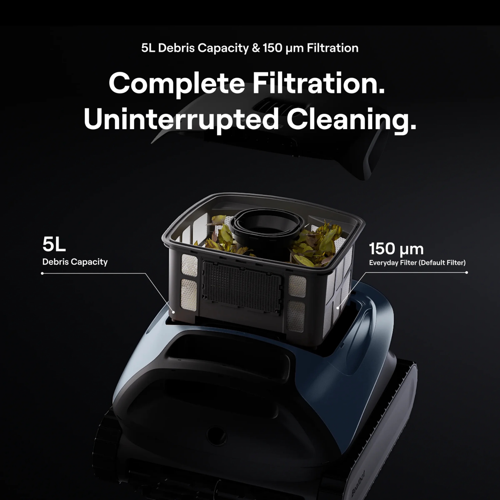
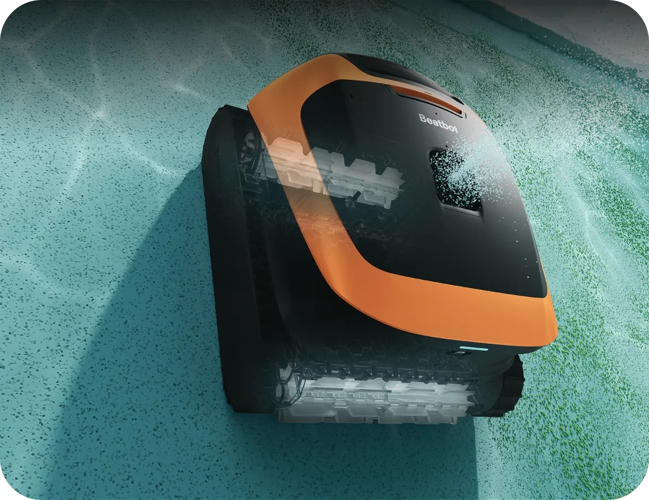
For homeowners who want fewer separate cleanup steps, Beatbot AquaSense 2 Pro can help support both surface and floor care within a broader weekly routine. It fits this article because real pool debris rarely stays in one place. Leaves and pollen may float in the morning, sunscreen residue may collect near the waterline after swimming, and fine dust may settle across the floor by evening. A cleaner that supports water surface cleaning, floor cleaning, wall cleaning, waterline cleaning, and clarification assistance can reduce the need to switch constantly between separate tools for every layer of the pool.
In a busy backyard routine, this kind of multi-zone support can make maintenance feel less fragmented. A homeowner may skim obvious leaves, check water readings, then run Beatbot AquaSense 2 Pro to help manage surface debris, settled particles, waterline residue, and wall buildup in one cleaning plan. For someone comparing a cordless pool vacuum for inground pool, the decision should come down to coverage, pool type, debris level, and how much manual work the routine still requires. Beatbot Robotic Pool Cleaner AquaSense 2 Pro can support a cleaner pool experience, but it does not replace pH testing, chlorine balance, filter care, or occasional brushing in tight corners.
Surface Debris vs Floor Debris: A Simple Cleaning Comparison
A balanced pool routine is easier when each type of debris is handled with the right method. Surface debris should be removed before it sinks. Floor debris needs vacuuming or robotic cleaning. Waterline grime and wall film need brushing or targeted cleaning.
Cleaning Area | Common Debris | Best Cleaning Method | Why It Matters |
Water surface | Leaves, pollen, insects, oils | Skimming or surface cleaning | Stops debris before it sinks or breaks down |
Waterline | Sunscreen, body oils, dirt rings | Brushing and waterline cleaning | Keeps the pool looking polished and well maintained |
Pool floor | Sand, silt, dust, settled leaves | Vacuuming or robotic floor cleaning | Removes debris skimming cannot reach |
Walls and steps | Algae film, fine dirt, stains | Brushing and wall cleaning | Prevents slippery buildup and dull surfaces |
Filtration system | Small particles and suspended debris | Filter cleaning and circulation | Supports water clarity after debris is removed |
This comparison also shows why one cleaning habit is rarely enough. If a pool is near trees, surface cleaning should happen often. If the floor regularly collects sand or fine dust, vacuuming cannot be skipped. If the waterline looks dull, brushing needs to be part of the plan.
How to Build a Balanced Pool Cleaning Routine
A clean pool does not need to become a complicated project. It needs the right tasks done at the right time.
Start with the surface. Skim daily or every other day during windy weather, pollen season, or heavy use. This keeps leaves, insects, and floating debris from becoming floor debris.
Next, pay attention to the waterline. Brush it weekly, especially after guests, hot weather, or frequent sunscreen use. The waterline is one of the first places where a pool starts to look neglected.
Then handle the bottom. Run a robotic cleaner or vacuum once or twice a week, depending on how much dirt settles. Focus on corners, steps, slopes, and low-flow areas where fine debris tends to collect.
Do not forget the equipment. Empty skimmer baskets, pump baskets, and cleaner baskets before they are packed full. Rinse or clean filters as recommended. Good circulation helps keep small particles moving toward the filter instead of settling.
Finally, test the water. pH, chlorine or sanitizer, and alkalinity affect how clean the pool feels. Physical cleaning removes debris, but water balance keeps the pool safe, clear, and comfortable.
Clean Water Needs Both Surface and Floor Care
Surface cleaning keeps debris from becoming a bigger problem. Floor cleaning removes what has already settled. Brushing handles the waterline, walls, and steps. Filtration and water balance keep everything working together.
For a refined outdoor living space, this layered approach matters. A pool should look clean from the patio, feel clean when people swim, and stay manageable between uses. That does not happen by skimming alone or vacuuming alone.
The best routine is simple: remove floating debris early, clean settled dirt regularly, brush the areas people notice most, and keep the water balanced. When surface care and floor care work together, the pool looks clearer, feels fresher, and becomes easier to enjoy as part of a well-designed home.
(0) comments
We welcome your comments
Log In
Post a comment as Guest
Keep it Clean. Please avoid obscene, vulgar, lewd, racist or sexually-oriented language.
PLEASE TURN OFF YOUR CAPS LOCK.
Don't Threaten. Threats of harming another person will not be tolerated.
Be Truthful. Don't knowingly lie about anyone or anything.
Be Nice. No racism, sexism or any sort of -ism that is degrading to another person.
Be Proactive. Use the 'Report' link on each comment to let us know of abusive posts.
Share with Us. We'd love to hear eyewitness accounts, the history behind an article.