
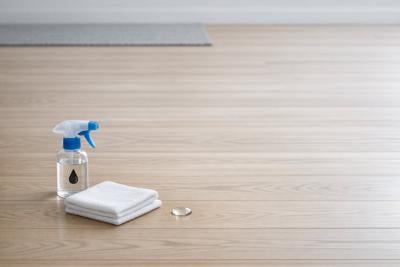

Timeless design benefits from ongoing attention, with the right tools, such as a flooring cutter, helping support precise maintenance and adjustments when needed. Understanding exactly what your hardwood needs is central to retaining its quality. Your approach to cleaning and damage prevention must reflect the unique requirements of high-end materials. Smart routines and informed choices create harmony between aesthetics and lasting durability.
Understanding your home’s hardwood finish matters
Different hardwood finishes require tailored maintenance strategies, and knowing what type you have is crucial. Oil-finished floors offer a soft, matte look and need specific, gentle cleaning methods. In contrast, factory-finished options feature a harder top layer that typically tolerates slightly more day-to-day wear. Daily tasks should always use products and techniques recommended for your specific finish to reduce the risk of dulling, streaking, or residue buildup. In high-end settings, this nuance can make a noticeable difference in preserving the surface.
Pay close attention to signs of wear that might develop with improper care or incompatible products. Factory sealants can show scratches differently from natural oils, and using the wrong approach can accelerate visible damage. You should also be mindful of how often renovation may be necessary, scheduling routine inspections rather than waiting for clear distress. Recognizing these distinctions forms the foundation for developing an effective maintenance plan tailored to your property.
Cleaning methods and routines that prevent wear
Dry dusting and vacuuming with soft-bristle attachments help guard against micro-scratches that can undermine wood flooring. Regular removal of grit and debris keeps walking paths and gathering areas clean, particularly where guests may enter from outside. Choosing gentle yet thorough cleaning tools helps reduce the risk that fine scratches accumulate into visible wear over time. Establishing habits such as removing shoes at the door and regularly refreshing entryway rugs can reduce pressure on the floor’s surface. Consistency with these details helps protect the floor’s finish over time.
The best methods also combine effectiveness with subtlety, avoiding the abrasiveness of certain commercial cleaners. Make informed decisions about which vacuums and sweepers you use, prioritizing those designed for delicate surfaces. Establishing set cleaning days can minimize the risk of neglect, while keeping foot traffic areas visibly clear. When handled with thoughtful repetition, these practices can extend the lifespan of your floor. Treating small, regular efforts as part of everyday living supports the continued appearance of high-end hardwood.
Managing spills, moisture, and everyday impact
For hardwood, managing excess moisture is important, since lingering dampness can lead to cupping or warping of planks. Damp cleaning means using well-wrung cloths or mops rather than saturating the surface, as standing water can seep between boards. The presence of a moisture barrier in vulnerable spaces, such as entryways or kitchens, can help reduce damage from accidental spills. Quick response to liquid, whether from pets, dropped drinks, or inclement weather, can help prevent staining and distortion. Respond immediately, blotting spills dry instead of allowing them to set, and ventilate rooms when possible to promote drying.
Common mistakes include using steam cleaners or letting cleaning solutions pool on the surface, both of which can compromise stability over time. You can minimize these risks by opting for wood-friendly products and following manufacturer recommendations precisely. Occasional deep cleans managed by professionals can restore vibrancy, but the goal is to address minor mishaps swiftly. Habits that limit moisture, such as indoor plants with trays, careful pet management, and thoughtful window coverings, can help preserve the floor’s condition. Consider your floor’s exposure and adapt routines to reflect needs, especially during wetter seasons.
Dry climate factors are also important, since air that is too arid may invite shrinkage and gaps along seams. Maintaining indoor humidity within a suitable range helps protect hardwood and can also support comfort. By combining attentive routines, smart material selection, and an understanding of environmental effects, you can help keep hardwood floors in good condition for years.
(0) comments
We welcome your comments
Log In
Post a comment as Guest
Keep it Clean. Please avoid obscene, vulgar, lewd, racist or sexually-oriented language.
PLEASE TURN OFF YOUR CAPS LOCK.
Don't Threaten. Threats of harming another person will not be tolerated.
Be Truthful. Don't knowingly lie about anyone or anything.
Be Nice. No racism, sexism or any sort of -ism that is degrading to another person.
Be Proactive. Use the 'Report' link on each comment to let us know of abusive posts.
Share with Us. We'd love to hear eyewitness accounts, the history behind an article.