
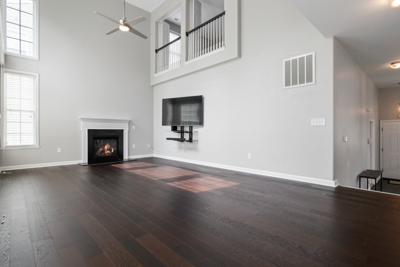
A dark floor changes how a room reads the moment sunlight hits the boards. Furniture grounds faster, art pops harder, and everyday dust looks calmer. The effect feels intentional even in quiet rooms.
If you are comparing options, it helps to see styles grouped by look and use. You can explore dark wood floors to view species, constructions, and finishes side by side. A quick scan clarifies what suits a formal living room versus a busy kitchen.

Style Families That Set The Mood
Dark hardwood usually falls into four familiar families that guide choices quickly. Rich espresso tones read classic, charcoal browns feel modern, warm cocoa shades suit relaxed spaces, and near black looks dramatic. Each family steers wall color, trim choices, and rug selection.
Species changes how those tones appear across the room. Oak shows grain that stays visible under dark stains and finishes. Hickory adds movement through lighter sapwood streaks that read bolder in broad daylight. Maple often delivers smoother faces that look sleek in quieter interiors.
Construction matters as much as color for long service in coastal or arid zones. Solid boards suit stable interiors with controlled humidity most of the year. Engineered boards handle seasonal swings better because of their cross-ply core layers. The top layer still reads as real wood underfoot and to the eye.
Hardness becomes the guardrail when pets and heels are constant guests. Janka ratings offer a repeatable way to compare dent resistance across species. The Forest Products Laboratory explains how the test works and lists common values in a public guide.
Color Tone And Finish That Age Gracefully
Dark floors change with light and habits, so plan for gradual shifts. UV exposure can warm cooler browns and soften very deep stains. Area rugs block light and create a clear outline, so rotate them during long summers.
Finish type sets the daily cleaning experience more than color alone. Satin sheen hides small scratches better than gloss in active homes. Matte reads current and keeps footprints quieter in entry halls and open kitchens. Oil finishes spot-repair well, while hard coatings resist scuffs from chairs and toys.
Stain depth affects maintenance and the look of grain. A lighter ebony wash lets oak grain show while keeping a moody tone. Deep espresso masks grain for a calm field that supports sculptural furniture. Test boards at home so evening light tells the truth before a full order.
For fast comparisons, align finish and sheen with how the room gets used.
Satin polyurethane for households with kids, pets, and frequent guests.
Matte oil for design-forward rooms where spot repairs matter.
Low gloss waterborne for spaces that need lower odor during projects.
Plank Width, Pattern, And Borders That Add Presence
Scale sets the emotional read of a dark floor more than most people expect. Wide plank boards expand small rooms by reducing joint lines across the space. Narrow strips create rhythm that pairs well with traditional millwork and patterned rugs. Mixed widths deliver movement without loud color shifts or heavy grain.
Pattern adds character that stands up to large light walls and tall ceilings. Herringbone feels formal and suits foyers or dining rooms with simple furniture. Chevron brings direction and energy to long corridors or long great rooms. Parquet fields with picture frame borders set classic scenes for art and heirloom pieces.
Borders help define seating areas and reinforce symmetry under chandeliers. A two-board frame with a thin accent strip looks refined without shouting. Keep border shades within the same family so the field still reads cohesive. Test layout drawings on paper before final approval during measurement.
Transitions should feel planned, not forced by thresholds or door swings. Use flush reducers where tile meets wood so vacuuming stays smooth. Where pattern changes, place the break under a door so rooms read cleanly. The result looks custom even in practical remodel timelines.
Practical Care That Protects The Investment
Dark floors look best when routine care feels simple and repeatable. Place breathable mats at entries and under sinks near prep zones. Felt pads on chair legs prevent tight circular scratches that always catch the afternoon light. Keep a small kit with cleaner, pads, and extra felt so fixes happen fast.
Humidity is the quiet variable that decides whether gaps appear every winter. A small digital hygrometer tells you when to run a humidifier or dehumidifier. Most homes keep wood happiest between forty and sixty percent relative humidity. Log readings weekly so seasonal patterns become obvious before boards complain.
Indoor air quality matters during finishing or refinishing. Choose products with clear safety data and plan ventilation days ahead. The U.S. Environmental Protection Agency provides helpful guidance on volatile organic compounds and indoor air.
Professional maintenance keeps dark floors photogenic for years without heavy sanding. Screening and recoating refreshes protection while leaving stain and color intact. High-traffic rooms may need attention every few years depending on shoes and pets. Plan visits around holidays and events so rooms recover without schedule stress.
Budget, Samples, And Fit For Southern California Homes
Price becomes clearer when you match the construction to where the floor will live. Engineered boards usually cost less to install in complex remodels with transitions. Solid boards can be cost-effective in straight runs with simple trimming. Always compare the full project price, not only the cost per square foot.
Samples shorten decisions because they remove guesswork about lighting and furniture. Order boards in your finalist tones and move them around the room each day. Place one next to the sofa, in direct sunlight, and near the entry rug. Keep notes on glare and dust so the winner handles daily life gracefully.
Supply lead times vary by finish and pattern choice during busy building seasons. Confirm available quantities before designing borders and herringbone layouts. Buy a modest overage to cover cuts, later repairs, and future add-ons. Store extra boards flat in a dry space for best results during long projects.
Design cohesion comes from repeating a color or material across the home. Dark walnut floors pair well with bronze hardware and warm linen upholstery. Charcoal browns welcome polished nickel, crisp white walls, and monochrome art. Carry the tone into stair treads so transitions feel clean across levels.
Make Choices That Stand Up Over Time
A good dark floor rewards measured choices more than quick impulses. Begin with mood, then confirm construction against climate and daily habits. Test samples at home, map patterns with painter’s tape, and plan simple care. The room will look calm, grounded, and ready for the way you live.

(0) comments
We welcome your comments
Log In
Post a comment as Guest
Keep it Clean. Please avoid obscene, vulgar, lewd, racist or sexually-oriented language.
PLEASE TURN OFF YOUR CAPS LOCK.
Don't Threaten. Threats of harming another person will not be tolerated.
Be Truthful. Don't knowingly lie about anyone or anything.
Be Nice. No racism, sexism or any sort of -ism that is degrading to another person.
Be Proactive. Use the 'Report' link on each comment to let us know of abusive posts.
Share with Us. We'd love to hear eyewitness accounts, the history behind an article.