
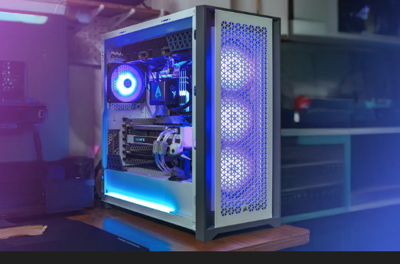
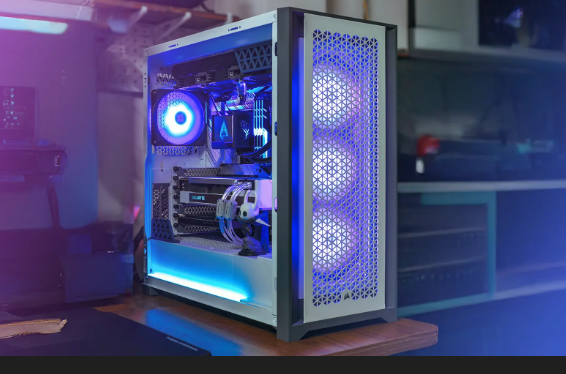
PC performance depends on airflow paths, heat control, and internal structure, all of which shape how a system behaves during long sessions. Case design influences stability, comfort, and component health in subtle but important ways. Let us explore how thoughtful case choices affect airflow, cooling efficiency, and overall performance.
Airflow Path Planning
Airflow path planning shapes how air moves through a system when demand rises. In this context, custom pc cases allow controlled intake and exhaust placement that helps with predictable circulation across internal components. Fans operate more efficiently when airflow follows a clear route, moving in random directions. This structure may help improve thermal balance during extended workloads.
Poor airflow often traps heat near sensitive parts and raises internal temperatures. Graphics cards and processors suffer when warm air lingers without a clear exit. Defined intake zones combined with planned exhaust points reduce this risk. Thoughtful layout supports steadier temperatures during long gaming or work sessions.
Fan Placement Logic
Fan placement affects cooling results. Position determines how effectively fresh air reaches heat-producing components. Strategic spacing avoids turbulence and prevents dead zones where air stalls. This logic aids stable operation under load.
Balanced intake and exhaust help control internal pressure. Excess intake can trap warm air inside the case. Excess exhaust may pull dust through unfiltered gaps. Proper balance helps with cleaner internals and more consistent airflow patterns.
Thermal Load Distribution
Thermal load varies widely across different system parts, which makes balanced cooling essential. Processors generate intense heat in short bursts during demanding tasks. Graphics cards create sustained warmth during extended gaming or creative workloads. Storage and memory contribute lower yet constant heat levels that still affect overall temperature.
Case design should account for these differences through proper spacing and planned airflow access. Separation between major components helps heat escape more easily and prevents buildup in one area. Tight layouts often trap warmth and limit air reach to critical zones. Even distribution supports better cooling across all hardware and helps maintain steady performance over time.
Internal Layout Structure
Internal layout structure shapes airflow efficiency as well as cable routing. Clear internal paths reduce obstruction near fans and vents. Vertical spacing supports natural heat rise and exit. Layout choices strongly influence how heat moves inside the enclosure.
Component Clearance Choices
Clearance around major components plays a critical role in cooling effectiveness. Graphics cards benefit from open side space that allows air movement across the board. Power supplies also need breathing room to avoid heat buildup. Adequate clearance reduces thermal stress on sensitive parts.
The Cooling Method Compatibility
Cooling methods require compatible case layouts to perform well. Large air coolers need vertical clearance for heat sinks and fans. Liquid systems require space for radiators and tubing. Case design helps ensure proper fit without crowding.
Radiator placement influences cooling efficiency. Front-mounted radiators pull cooler external air across fins. Top-mounted options assist heat exhaust from rising air. Correct placement supports thermal control and system balance.
Performance Stability Over Time
Performance stability depends on sustained cooling. Brief tests often hide long term heat buildup issues that appear only during extended use. Proper airflow helps maintain consistent output during long gaming sessions or demanding workloads. This stability aids overall system reliability and predictable behavior.
Heat stress shortens component lifespan over time and affects performance consistency. Repeated thermal spikes place strain on solder points and internal circuitry. Consistent cooling lowers this strain and helps preserve hardware condition. Case structure strongly influences how well this balance holds during regular use.
Noise and Heat Balance
Cooling solutions often trade noise output for airflow strength. Case design helps manage this balance through panel construction and vent placement. Sound-dampening surfaces absorb vibration from fans. Vent alignment limits echo within the enclosure.
Quiet systems still require sufficient airflow to remain stable. Restricted vents raise internal temperatures quickly. Balanced design supports cooling without excessive sound levels. Comfort improves during long sessions of use.
Material and Vent Design
Material choice affects both heat transfer and acoustic behavior. Metal panels disperse heat differently from plastic surfaces. Vent patterns guide airflow direction and speed. Balanced design supports cooling while limiting excess noise.
Vent size and spacing also influence results. Large vents allow strong airflow but invite dust buildup. Fine mesh filters help manage debris while preserving circulation. Proper design aids airflow and keeps interiors cleaner over time.
Mesh panels support steady airflow
Solid panels help reduce noise levels
Easy filter access supports routine care
System performance reflects how effectively heat and airflow remain controlled over time, and custom pc cases play a meaningful role in this balance. Design choices around airflow paths, spacing, materials, and cooling compatibility help with efficiency and stability. Case structure influences noise, temperature, and hardware longevity together. Careful selection supports reliable performance without unnecessary complexity.


(0) comments
We welcome your comments
Log In
Post a comment as Guest
Keep it Clean. Please avoid obscene, vulgar, lewd, racist or sexually-oriented language.
PLEASE TURN OFF YOUR CAPS LOCK.
Don't Threaten. Threats of harming another person will not be tolerated.
Be Truthful. Don't knowingly lie about anyone or anything.
Be Nice. No racism, sexism or any sort of -ism that is degrading to another person.
Be Proactive. Use the 'Report' link on each comment to let us know of abusive posts.
Share with Us. We'd love to hear eyewitness accounts, the history behind an article.