
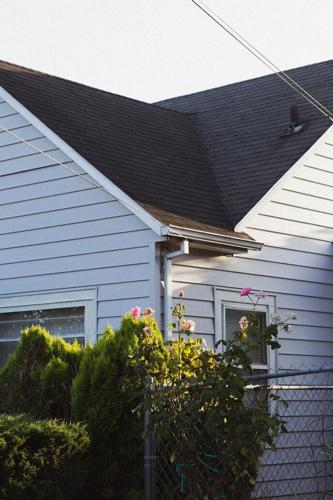
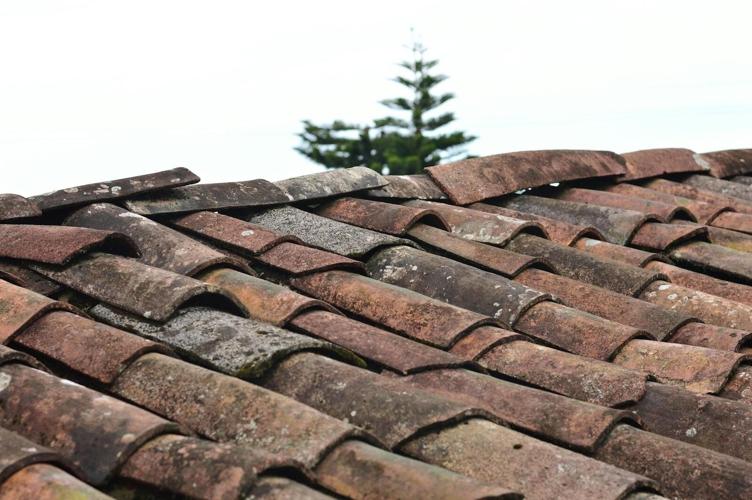
Keeping a sturdy roof over your head is the primary job of any home. This structure protects your family and your belongings from rain, wind, and harsh sun every single day. Small issues can quickly turn into expensive disasters if they are ignored for too long.
Taking the time to look at your shingles or attic can save you thousands of dollars. Most homeowners only think about their roof when a leak appears. By then, the damage might already be deep inside the wooden frame of your house.

Visible Sagging or Dipping
A roofline should always be straight and firm along the edges and the peak. If you stand across the street and notice a dip or a curve, there is a structural problem. This often means the decking underneath the shingles is rotting or breaking down from moisture.
One industry report suggested that visible depressions in a roofline are a major red flag that requires a professional look within 48 hours. You should never walk on a roof that looks like it is sagging. The wood might be too weak to hold your weight, which creates a serious safety risk for anyone on top.
Structural issues often start small but grow fast under the weight of snow or heavy rain. If the rafters are bending, the pressure on your exterior walls increases. This can lead to cracks in your foundation or tilted door frames over time.
Daylight Through the Attic
The best way to check for holes is to go into your attic during a bright afternoon. Turn off all the lights and look up at the underside of the roof. If you see pinpricks of light shining through, water can get in those same spots.
Searching for leaks from the inside is much safer than climbing a ladder. Many homeowners find that roof repair services are a smart investment when they see these gaps. It is better to catch these gaps before the next big rain cycle starts.
Granules in the Gutters
Asphalt shingles have a rough coating that looks like thick sand. These small pieces protect the roof from melting or cracking under the sun. You might find these granules piling up in your gutters after a heavy rainstorm.
Losing this protective layer makes the shingles brittle and very easy to break. A recent article noted that the global market for roofing is expected to hit over $316 billion by 2026 as more people replace these aging materials. When the granules are gone, your home loses its first line of defense against the weather.
Once shingles become "bald," they can no longer shed water correctly. The sun bakes the asphalt underneath, causing it to shrink and pull away from the nails. This process happens slowly, but once it starts, the roof enters a cycle of rapid decay.
Cracked or Missing Shingles
High winds and old age can cause shingles to curl, crack, or blow away entirely. A single missing shingle might not seem like a big deal, but it leaves the felt paper underneath exposed. This paper is not meant to be waterproof for a long time.
Finding pieces of roofing material in your yard after a storm is a clear sign of trouble. You can often spot these gaps from the ground using a pair of binoculars. Replacing a few pieces now is much cheaper than replacing the whole surface later.
Checking for Wind Damage
Strong storms can lift the edges of shingles without tearing them off. This breaks the sealant strip that glues the rows together. Once that seal is broken, rain can be blown upward under the shingles during the next storm.
Check for shingles that look like they are "flapping" or sitting unevenly. If the wind can get under the material, it acts like a sail. This creates a chain reaction that can peel back large sections of your roof in minutes.
Interior Water Stains
Dark spots on your ceiling or walls are the most common signs of a leak. These stains often look like tea or coffee spilled on the drywall. Even if the spot is dry to the touch, it indicates that water has found a way past the exterior layers.
Water can travel far from the actual hole in the roof before it drips onto your ceiling. This makes it hard for a regular person to find the source of the leak without help. If you see these marks, your insulation is likely wet and growing mold.
Wet insulation loses its ability to keep your home warm. It also becomes heavy, which can cause your ceiling to sag or even collapse. Dealing with a stain immediately prevents these secondary problems from ruining your living room.
Damaged Flashing Around Vents
Flashing is the metal material installed around chimneys, pipes, and vents. It acts as a seal to keep water from sliding into the gaps where these items poke through the roof. If the metal is rusted or the caulk is peeling, a leak is almost certain.
Old flashing is a primary cause of interior water damage. Many people try to fix this with a bucket of roofing tar, but that is only a temporary patch. Metal flashing needs to be seated correctly to shed water away from the holes.
Common Areas for Seal Failure
Chimney bases and corners
Plumbing vent pipes
Valley areas where two roof planes meet
Skylight frames and edges
Dormer window intersections
Each of these spots is a potential entry point for rain. If the sealant is cracked, it allows water to seep behind the siding or under the shingles. Keeping these metal bits in good shape extends the life of the entire structure.
Sudden Rise in Energy Costs
A roof does more than keep out rain - it also helps regulate the temperature of your home. If your cooling or heating bills suddenly spike, your roof might be venting air incorrectly. Gaps or poor insulation allow your expensive AC to escape into the sky.
Modern roofing materials are designed to reflect heat and keep the attic cool. When a roof reaches the end of its life, it loses this ability. One industry analysis expects residential roofing spending to grow by 8.2% annually as homeowners look for more efficient options.
Curled or Buckled Shingle Edges
Shingles should lay flat against each other to create a tight seal. When the edges start to turn upward or look like a wave, they are no longer protecting the house. This happens because of improper installation or extreme heat in the attic.
Curled shingles are easily caught by the wind and ripped off. Once the edges lift, rain can be blown underneath the shingle and onto the wood deck. This leads to fast rot and very expensive repairs if it is not caught early.

Taking action early keeps your family dry and protects your investment. You do not need to be an expert to see these common red flags. If you see something that looks wrong, getting a professional opinion is the smartest move for your wallet.


(0) comments
We welcome your comments
Log In
Post a comment as Guest
Keep it Clean. Please avoid obscene, vulgar, lewd, racist or sexually-oriented language.
PLEASE TURN OFF YOUR CAPS LOCK.
Don't Threaten. Threats of harming another person will not be tolerated.
Be Truthful. Don't knowingly lie about anyone or anything.
Be Nice. No racism, sexism or any sort of -ism that is degrading to another person.
Be Proactive. Use the 'Report' link on each comment to let us know of abusive posts.
Share with Us. We'd love to hear eyewitness accounts, the history behind an article.