
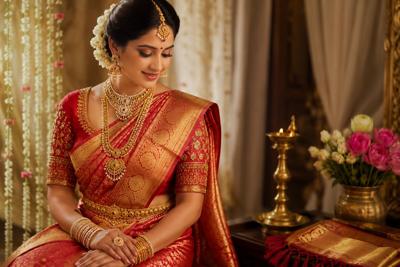

Choosing a wedding outfit is never just about fabric. It is about memory, tradition, family, photographs, movement, comfort, and that very specific bridal feeling of wanting to look breathtaking while still being able to breathe.
For many Indian brides, especially in South Indian wedding traditions, a bridal silk saree carries a level of meaning that goes far beyond fashion. It can honor heritage, reflect family customs, frame the jewelry beautifully, and become the kind of piece that is remembered long after the wedding flowers have retired from public life.
The challenge is that silk sarees come in a dazzling range of colors, weaves, borders, motifs, and levels of formality. The right choice should feel ceremonial, flattering, comfortable, and personal. In other words, beautiful enough for the wedding album and practical enough for a long day of rituals, greetings, photographs, and relatives with very strong opinions.
Start With the Wedding Tradition and Setting
Before choosing a saree, consider the ceremony itself. A temple wedding, traditional South Indian ceremony, hotel ballroom celebration, intimate family wedding, or multi-event destination celebration may call for different levels of grandeur, weight, color, and styling.
A richly woven Kanchipuram silk saree may feel ideal for a traditional ceremony, while a lighter silk saree in a softer tone may work beautifully for a reception, pre-wedding event, or destination setting. The goal is not to choose the most elaborate saree in the room. The goal is to choose the one that belongs to the moment.
Understand the Importance of Silk Quality
Silk quality matters because a wedding saree should look beautiful in person, photograph well, drape gracefully, and last beyond one event. A bridal silk saree is often kept, reworn, passed down, or preserved as part of a family’s textile history.
When shopping, look for fabric that feels substantial but not stiff, smooth but not flimsy, and lustrous without looking overly shiny. Ask about the silk type, weave, zari, care requirements, and whether the saree comes with authenticity markers or certification.
The Silk Mark Organisation of India provides a Silk Mark label used on pure silk products by authorized users, which can help buyers look for added assurance when purchasing silk textiles. For a wedding saree, that kind of verification can be useful because the difference between real silk, blended fabric, and imitation shine is not always obvious under showroom lighting.
Know Why Kanchipuram Silk Is So Beloved
Kanchipuram silk sarees hold a special place in bridal dressing because of their structure, richness, and association with South Indian ceremonial wear. They are known for bold borders, ornate pallus, temple-inspired motifs, and a sense of formality that suits major wedding rituals.
The Kancheepuram district notes that Kancheevaram silks and sarees are recognized as a Geographical Indication product and are traditionally worn as bridal and special-occasion sarees in parts of South India. That heritage is part of why many brides choose them not only for beauty, but for meaning.
A Kanchipuram saree is not the only bridal option, of course. Banarasi silk, Paithani, Mysore silk, Patola, Tussar silk, and other regional saree traditions may also be meaningful depending on family background, personal taste, and the wedding setting.
Choose a Color With Meaning and Staying Power
Color is one of the most emotional parts of choosing a bridal silk saree. Traditional bridal shades such as red, maroon, gold, mustard, deep pink, emerald, royal blue, and rich orange often carry a festive and ceremonial feeling. These colors tend to photograph beautifully and pair well with traditional gold jewelry.
Modern brides may also consider softer tones such as blush, champagne, ivory-gold, pale peach, lavender, sage, powder blue, or two-tone combinations. These can feel elegant and personal, especially for receptions or smaller ceremonies. The key is to choose a color that flatters the bride’s complexion, works with the jewelry, and still feels special years later.
If the saree will become an heirloom, avoid choosing a shade only because it is trendy. Wedding photos have a long memory, and not all trend colors deserve that kind of commitment.
Pay Close Attention to the Border
The border is one of the first things people notice on a bridal saree. A broad zari border can feel regal and traditional, while a slimmer border can look more refined and easier to drape. Temple borders, floral borders, peacock motifs, checks, geometric designs, and traditional coin or mango motifs can all create very different moods.
Petite brides may prefer a border that does not overwhelm the frame, while taller brides may carry a wider border beautifully. There are no fixed rules, but proportion matters. A border should frame the bride, not appear to be wearing her.
Look at the Pallu Like a Statement Piece
The pallu often becomes the most visible part of a bridal silk saree during photographs, rituals, and seated moments. It should feel finished, rich, and balanced with the rest of the saree.
A heavily woven pallu can add drama and ceremonial weight, especially when styled traditionally. A more delicate pallu may feel graceful for brides who prefer restraint. When comparing sarees, drape the pallu over the shoulder if possible. A folded saree in a shop never tells the whole story, which is also true of many things in life and most online shopping carts.
Balance Beauty With Comfort
A wedding saree has to be beautiful, but it also has to survive the day. Ceremonies can be long, warm, emotional, and filled with movement. A saree that feels magnificent for three minutes in a fitting may feel less charming after hours of rituals, photos, and greeting guests.
Consider the saree’s weight, stiffness, pleating, and ease of drape. Heavier bridal silks can look stunning, but they may require more support, careful pleating, and an experienced draper. If the bride wants to move freely, dance, travel between venues, or wear the saree for many hours, comfort should be part of the decision from the beginning.
Choose the Blouse With the Same Care
The blouse can completely change the personality of a bridal silk saree. A classic elbow-sleeve blouse with zari detailing feels traditional and elegant. A high-neck blouse can feel regal. A deep back, delicate embroidery, or modern sleeve shape can add individuality without taking away from the saree.
The safest approach is to let the saree lead. If the saree is heavily woven, the blouse can be refined and structured. If the saree is simpler, the blouse can carry more embroidery, texture, or jewelry-friendly detail. A blouse should support the look, not compete with it like a guest who misunderstood the assignment.
For brides planning jewelry as part of the complete look, FINE’s guide to bridal necklaces and earrings is a useful next step because neckline, earrings, hair, and blouse design should all work together.
Think About Jewelry Before Finalizing the Saree
A bridal silk saree rarely stands alone. Jewelry, hair, makeup, flowers, bangles, waist belts, footwear, and the blouse all shape the final look. Before buying, think about whether the saree will be styled with temple jewelry, antique gold, diamonds, pearls, colored stones, or a more minimal approach.
Rich gold sarees may call for contrast through green, ruby, or antique jewelry. Jewel-toned sarees can look stunning with traditional gold. Softer pastel sarees may pair beautifully with pearls, diamonds, or lighter gold pieces. The goal is harmony, not visual competition.
Consider the Wedding Photos
A wedding saree has to move through real life, but it also has to live forever in photographs. Color, border scale, pallu detail, blouse fit, and jewelry placement all become more important once cameras enter the room.
Ask to see the saree in natural light if possible. Showroom lighting can make colors look brighter, cooler, warmer, or more metallic than they truly are. Take a few phone photos from different angles. If the saree looks beautiful in person but flat in photos, styling may need adjustment.
Shop With Enough Time for Alterations and Styling
A bridal saree should not be a last-minute purchase unless the bride enjoys suspense as a lifestyle. Give yourself time for blouse stitching, alterations, falls, pico finishing, jewelry coordination, trial draping, and any necessary changes.
It is also wise to do a full styling trial before the wedding day. Drape the saree, wear the blouse, add the jewelry, test the footwear, and check movement. This is how small problems reveal themselves before they become wedding-day surprises with witnesses.
Ask the Right Questions Before Buying
- What type of silk is used?
- Does the saree include Silk Mark certification or another authenticity marker?
- Is the zari pure, tested, or imitation?
- How heavy is the saree when fully draped?
- Will the border suit the bride’s height and frame?
- Does the pallu feel balanced with the rest of the saree?
- What blouse fabric is included?
- What care and storage does the saree require?
- Can the saree be exchanged or altered if needed?
- Will the color work with the planned jewelry and wedding setting?
Care for the Saree Like an Heirloom
A bridal silk saree may become one of the most meaningful garments a woman owns. After the wedding, it should be cleaned and stored properly so the fabric, zari, and folds are protected.
Follow the seller’s care instructions, avoid harsh storage conditions, and keep the saree away from moisture and direct sunlight. Refold it occasionally along different lines to prevent permanent creases. Use breathable storage rather than plastic whenever possible, and consider professional textile care for valuable heirloom pieces.
The Bottom Line on Choosing a Bridal Silk Saree
Choosing the perfect bridal silk saree is about balancing tradition, beauty, comfort, and personal style. The right saree should honor the occasion while still feeling like the bride herself.
Look closely at silk quality, color, border, pallu, blouse design, drape, comfort, and authenticity. A well-chosen saree is not only a wedding outfit. It is a memory in fabric, a piece of family history, and, with the right care, an heirloom that can carry the beauty of the day forward.

(0) comments
We welcome your comments
Log In
Post a comment as Guest
Keep it Clean. Please avoid obscene, vulgar, lewd, racist or sexually-oriented language.
PLEASE TURN OFF YOUR CAPS LOCK.
Don't Threaten. Threats of harming another person will not be tolerated.
Be Truthful. Don't knowingly lie about anyone or anything.
Be Nice. No racism, sexism or any sort of -ism that is degrading to another person.
Be Proactive. Use the 'Report' link on each comment to let us know of abusive posts.
Share with Us. We'd love to hear eyewitness accounts, the history behind an article.