

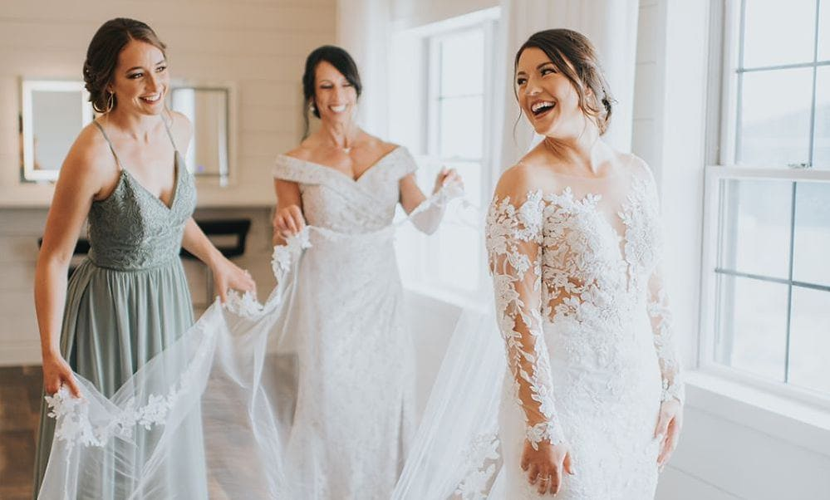
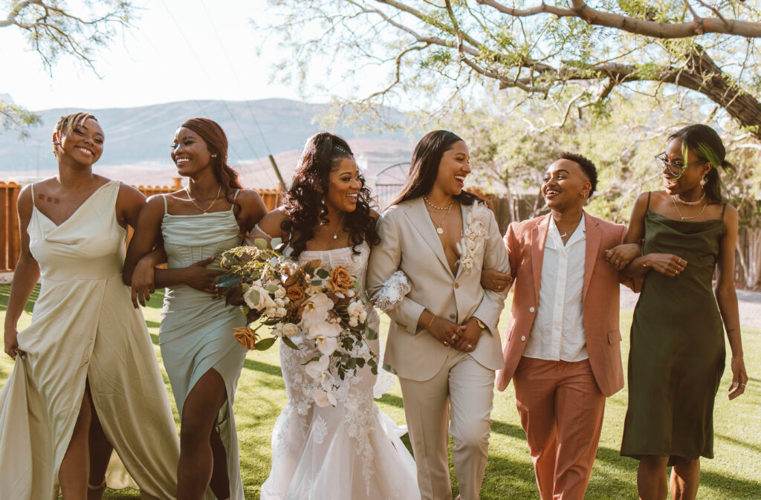

Weddings have always come with their own social code, but the expectations surrounding them have changed. Today’s celebrations are often more intimate, more personalized, and more intentionally designed than the weddings of previous generations. That means the old habit of treating wedding etiquette as a collection of vague formalities no longer works. Modern couples are setting clearer boundaries, planning with tighter numbers, and expecting guests to understand that every detail, from the seating chart to the ceremony atmosphere, has likely been chosen with care.
According to Nick of Country House Weddings, many of the most common etiquette missteps still come from outdated assumptions about how guests should behave at weddings. That shift feels especially relevant now, when weddings are often planned with more customization, more select guest lists, and more intention around privacy and tone.
In other words, being a good wedding guest is no longer just about showing up with a gift and wearing something polished. It is about reading the room, respecting the couple’s wishes, and understanding that the best guest is usually the one who makes the day easier, not more memorable for the wrong reasons. As Fine recently explored in Essential Details That Shape the Experience of a Perfect Wedding, the most successful celebrations are often shaped by thoughtfulness long before the first toast is made.
Why Wedding RSVP Etiquette Still Matters

For all the convenience of digital invitations and instant replies, RSVP etiquette remains one of the clearest measures of whether a guest understands the assignment.
According to the expert guidance in the source material, guests should respond within a week of receiving the invitation, even if attendance is not fully certain yet. That is not merely a nice gesture. Couples are working around venue capacities, catering counts, floor plans, and budgets that often leave little room for ambiguity. A delayed response may seem small to the guest, but it can have a ripple effect across the entire planning process.
The same logic applies to plus-ones and children. If a plus-one is not explicitly offered, it should not be assumed. If children are not named on the invitation, it is safest to take that as a sign that the wedding is adults-only. These decisions are usually practical, not personal. The modern guest who handles this well is the one who does not turn the couple’s logistics into a debate.
Social Media Wedding Etiquette Is Now Basic Manners

One of the most significant changes in modern wedding etiquette is social media. Guests now have the ability to document a celebration in real time, but access does not equal permission.
Nick’s advice is clear: do not post wedding photos before the couple does, and if the ceremony is unplugged, honor that request fully. Sharing the first kiss, first dance, or a deeply emotional moment before the couple has had the chance to do so can genuinely upset them.
There is also the matter of everyone else in the frame. Not every guest wants to appear online, especially at a private family event. Modern etiquette increasingly favors discretion over impulse. That means thinking twice before uploading a group shot, resisting the urge to block the aisle for content, and remembering that not every beautiful moment needs to become a post. Similar guidance appears in Brides’ wedding guest etiquette guide, which reinforces expectations around phone use, punctuality, and respecting the couple’s wishes.
Mother-in-Law Etiquette Requires Warmth Without Overreach

If guest etiquette is about boundaries, mother-in-law etiquette is often about balance.
The source material frames this role well: offer support, but do not impose your vision. Let the couple take the lead. Ask how you can help, and accept the answer even if the answer is that everything is already under control. That kind of restraint is not distance. It is respect.
This becomes especially important when it comes to guest lists, planning opinions, and wardrobe. The advice here is simple: never wear white, cream, or anything that could be mistaken for bridal attire, and coordinate with the mother of the bride to avoid visual clashes. For readers exploring this specific question, Fine’s Ideas for Mother of the Bride Outfits serves as a natural companion read.
The most appreciated mothers-in-law are rarely the loudest or the most involved. They are the ones who know when to step in gracefully and when to step back just as gracefully.
Modern Wedding Gift Etiquette Is More Flexible Than It Used To Be

Gift-giving is another area where wedding culture has evolved. Traditional registries still matter, but many couples today already live together and often prefer practical support over duplicate household items.
The expert guidance in the source material notes that registry gifts still make sense because the couple chose those items deliberately. At the same time, cash gifts and honeymoon contributions are now widely accepted and often preferred. The old idea that money is impersonal does not hold up particularly well when it is exactly what the couple would find most useful.
There is also a practical point many guests overlook: do not bring bulky gifts to the venue. Weddings are not designed for last-minute package management, and the couple should not be handed something fragile while trying to greet relatives and leave on schedule. Sending gifts to the couple’s home remains the cleaner and more elegant option.
Dress Code and Dietary Etiquette Should Never Be Treated Casually
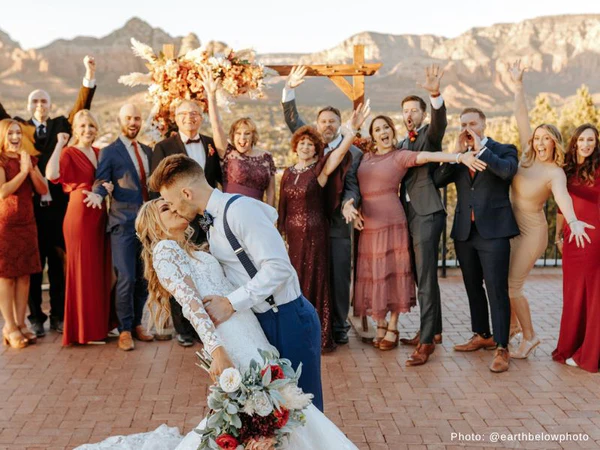
Guests sometimes speak about dress codes as though they are vague suggestions. They are not.
If a couple specifies black tie, cocktail attire, or smart casual, they are setting the tone for the event. Ignoring that can make a guest look careless and can subtly undermine the atmosphere the couple worked to create. Nick’s advice is simple: if you are unsure, ask instead of guessing.
Dietary requests deserve the same clarity. Genuine allergies, religious restrictions, and medical needs should absolutely be communicated with the RSVP. But demanding highly specific dishes simply because you dislike the menu crosses into self-centered territory. Real needs should be accommodated. Personal whims should not become a production.
Reception Etiquette Is Mostly About Not Making the Wedding About Yourself

Reception behavior is where common sense and self-awareness should do most of the work.
Do not monopolize the couple’s time. Pace your drinking. Avoid inappropriate speeches, references to exes, and any joke that sounds better in your own head than it will in the room. And yes, the list of things not to do still includes proposing, announcing a pregnancy, or creating your own surprise spotlight moment. That advice appears plainly in the source material for good reason.
Children fall into the same category of respect. If they are invited, supervise them. If they are not, accept the decision without turning it into a dispute. Child-free weddings are increasingly common and are usually tied to budget, venue limitations, or the style of the event rather than personal rejection.
The Best Wedding Guests Know How to Make the Day Easier

At its core, modern wedding etiquette is not complicated. It simply asks guests and close family members to exercise good judgment, emotional restraint, and a little generosity of spirit.
Do not complain on social media. Do not chase newlyweds for thank-you notes. Do not assume your preferences outrank their plans. The real rule beneath all the smaller ones is the same one that still matters most: be kind, be respectful, and remember that the wedding does not belong to the guests. It belongs to the couple. That principle runs through the original expert commentary from Country House Weddings, and it remains the most useful etiquette rule of all.
Weddings may look different now than they once did, but the central rule remains beautifully unchanged. Be kind. Be respectful. And remember that the day belongs to the couple.
(0) comments
We welcome your comments
Log In
Post a comment as Guest
Keep it Clean. Please avoid obscene, vulgar, lewd, racist or sexually-oriented language.
PLEASE TURN OFF YOUR CAPS LOCK.
Don't Threaten. Threats of harming another person will not be tolerated.
Be Truthful. Don't knowingly lie about anyone or anything.
Be Nice. No racism, sexism or any sort of -ism that is degrading to another person.
Be Proactive. Use the 'Report' link on each comment to let us know of abusive posts.
Share with Us. We'd love to hear eyewitness accounts, the history behind an article.