
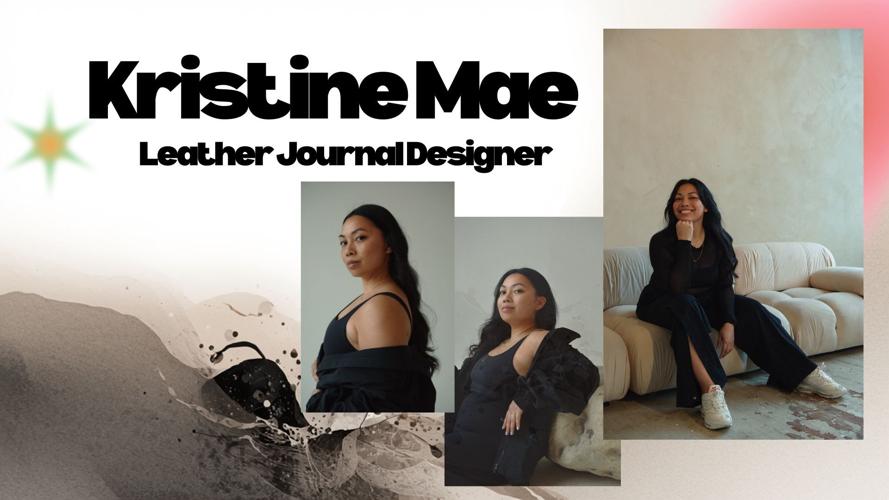
Screens may run the day, but paper still has a way of slowing the mind. Kristine Mae understands that instinctively. With her handcrafted journals, she invites us to slow down, to reconnect, and to experience design in its most personal form. Kristine approaches each piece with a strong design eye, balancing beauty, utility, and restraint. Each journal feels considered, elevated, and timeless, a reflection of someone who doesn’t just create, but curates how we move through our everyday lives. Having known Kristine for years, I’ve always admired her ability to see design at its core. Sitting down with her felt less like an interview and more like a conversation rooted in creativity, clarity, and vision. What follows is our discussion on the inspiration behind her journals, her approach to craftsmanship, and the art of bringing something beautifully analog back into focus.

Dean Hall: Your journals feel almost like accessories for the creative mind. How did you first begin translating the language of leather and texture into something meant to hold people’s personal stories?
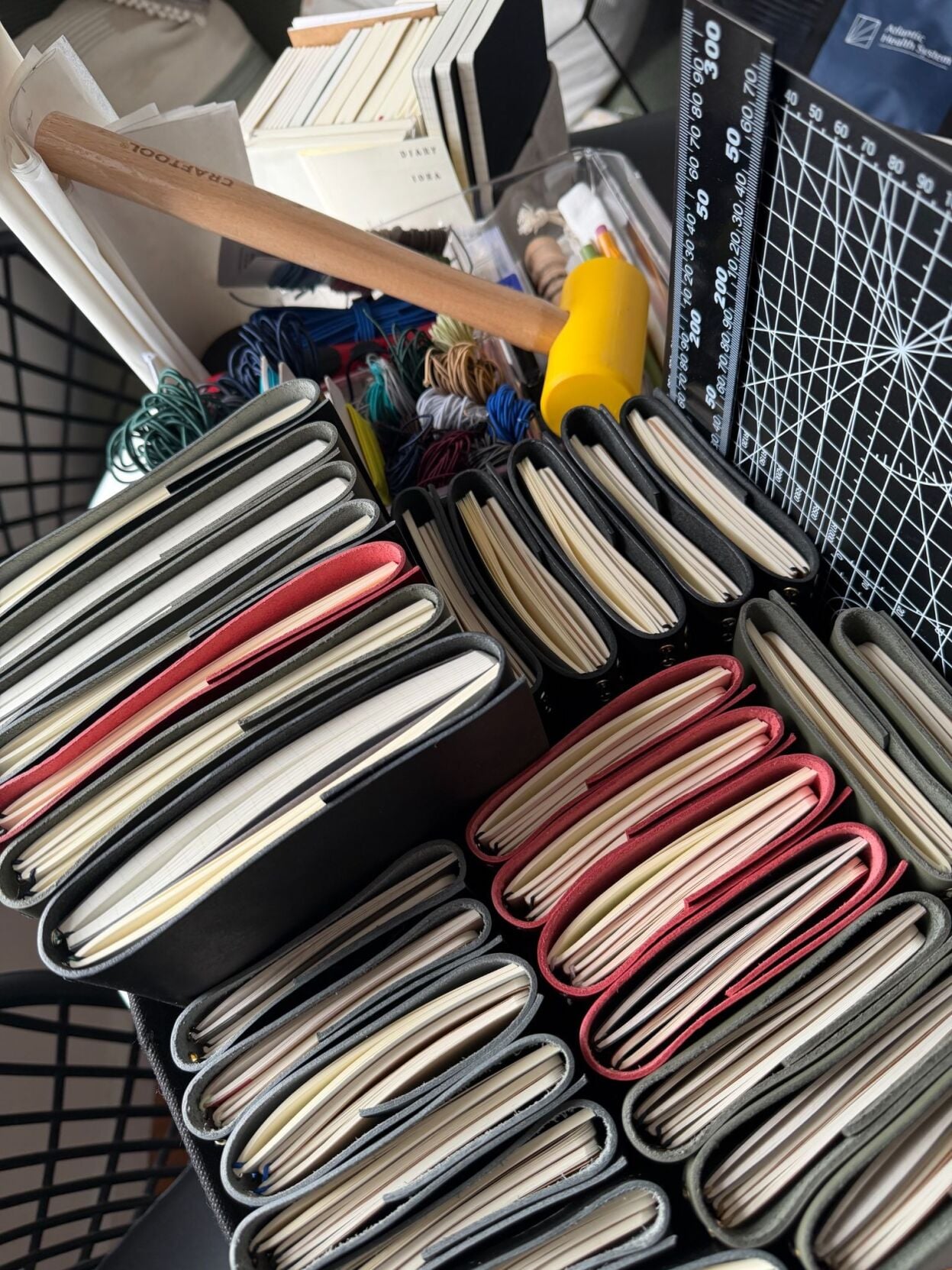
Kristine Mae: I’ve always had a personal relationship with writing things down, it’s the analog girl in me. Over the years, as I leaned more into that practice, I found myself constantly rotating between and through notebooks, guided journals, random scratch pads - each one holding a different phase, version of, and intention for myself. I had this whole ecosystem, but no real anchor. That’s honestly how the idea of a leather cover became such an organic next step in my journal journey. I didn’t want to replace the variety of what I was writing or working through, I just wanted a way to ground it.
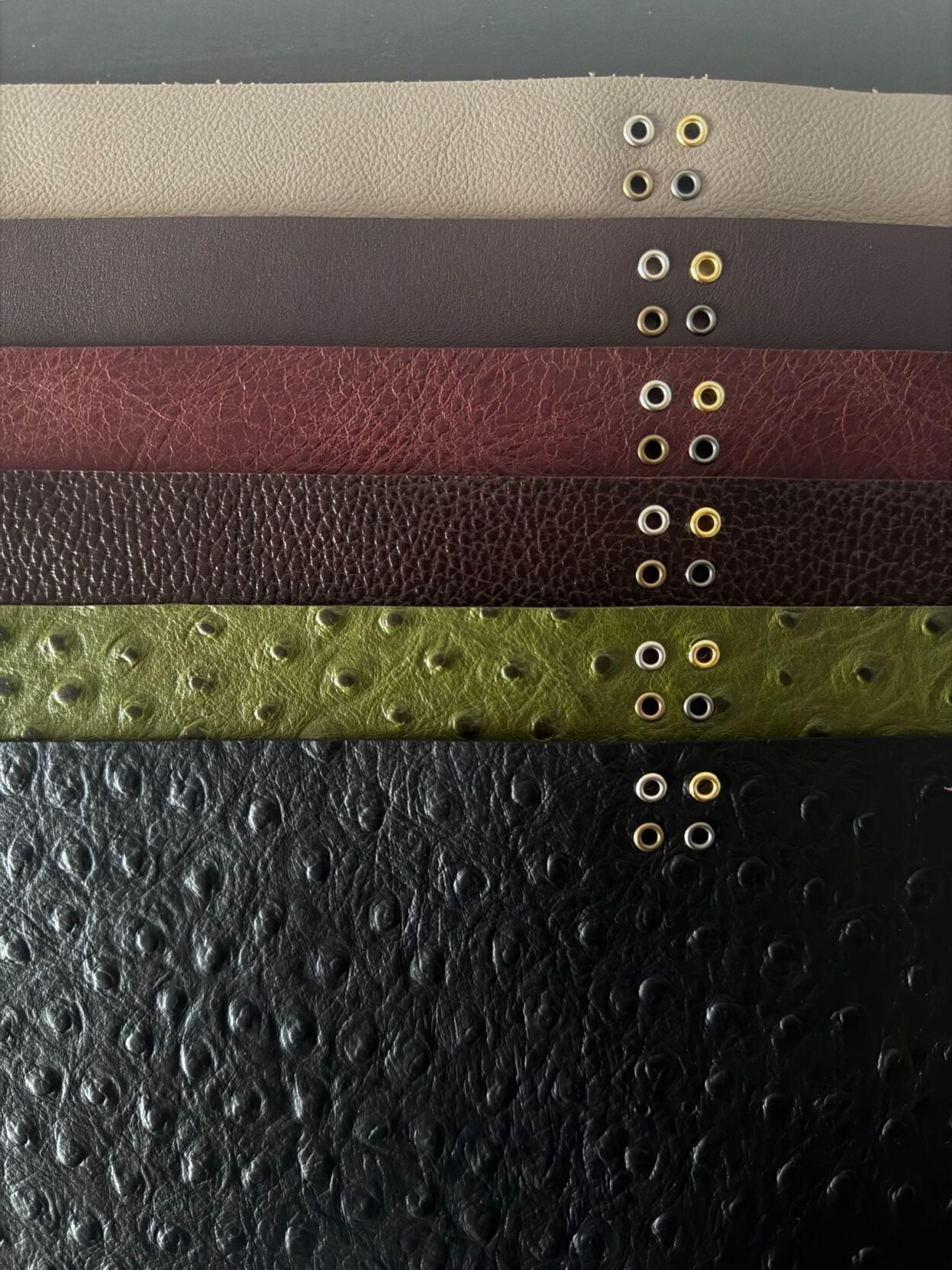
DH: You work with beautifully textured leathers. What draws you to those materials, and how do you decide which textures ultimately become part of a collection?
KM: Leather just made sense. It naturally has its own story in how it picks up marks, how it softens with time, how it ages alongside you. It’s truly the perfect textile to hold something as intimate and evolving as someone’s thoughts.
DH: In many ways your journals feel closer to luxury fashion pieces than traditional stationery. Do you approach designing them the way a fashion house approaches a handbag or accessory?
KM: Because these pieces are meant to be held, carried, opened, and returned to every day, the tactile experience is foundational. So before anything is written, before it becomes part of a daily rhythm, it has to feel right.
DH: Drop 1 introduced your aesthetic. How did Drop 2 evolve that vision, both creatively and in terms of material or design details?
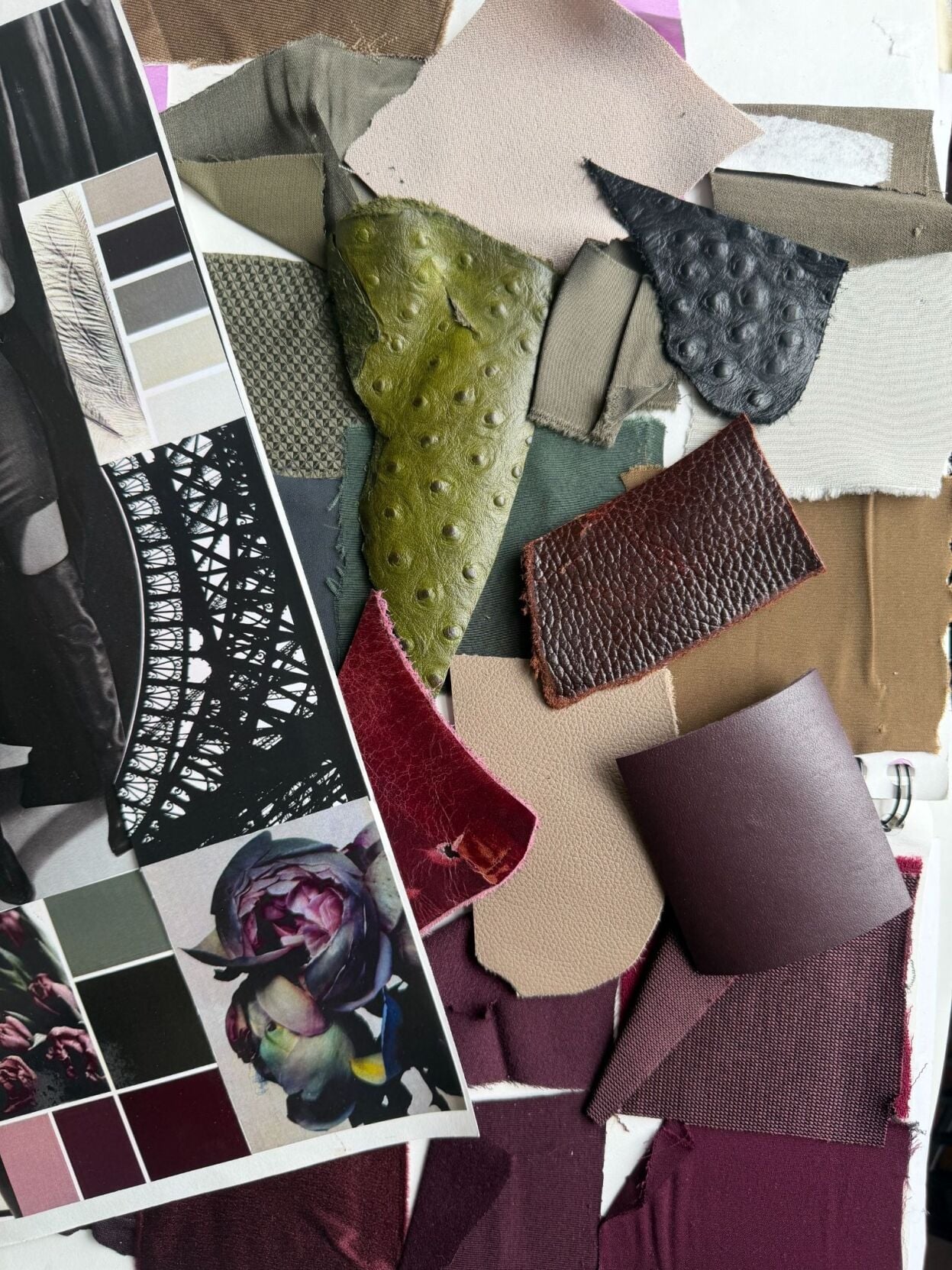
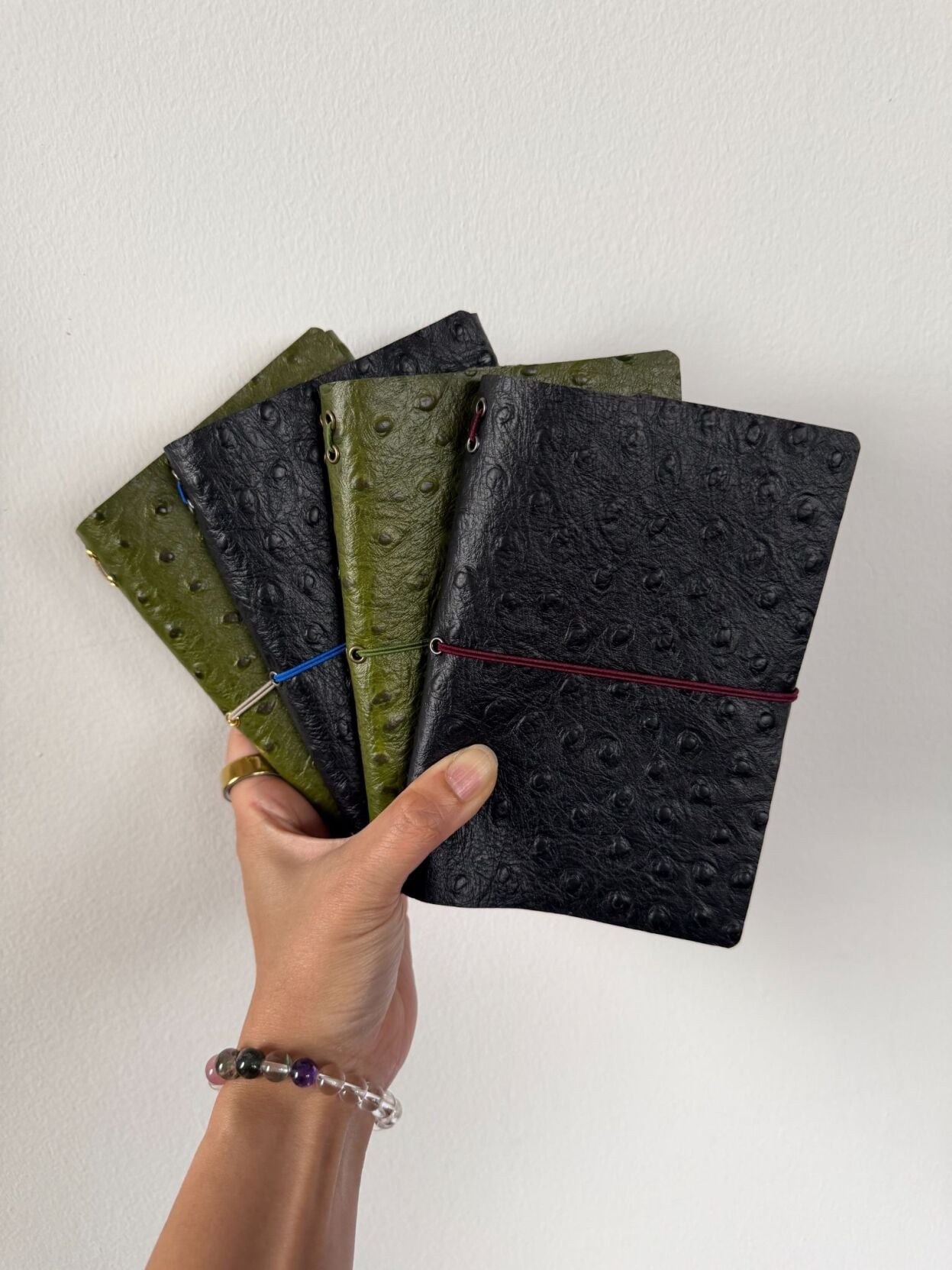
KM: Drop 1 was very instinct-driven - I was still in that space of experimenting, rooted in my own journaling practice. I kept the palette grounded with iterations of black, neutral khaki, and added red for contrast. The textures came directly from what felt right in hand. In approaching Drop 2, I revisited one of my design projects from back in my Parsons School of Design days, shifting more towards cohesion - how each texture and color would sit next to and speak with each other as a collection rather than individual pieces.
DH: Looking at Drop 1 and Drop 2 side by side, where do you see the biggest shift in your design voice or confidence as a creator?
KM: It’s really a balance now - still intuitive, still tactile, but more clarity behind it. Seeing the positive connection of my customers gives me more confidence in the fact that what I’m creating isn’t just aesthetically pleasing, but impactful as well. And that partnership between instinct and intention is really where I feel my design voice starting to settle in.
DH: Texture plays such a powerful role in your work. How important is the tactile experience when you’re designing something meant to be held, carried, and lived with daily?
KM: When I’m sourcing my materials, I’m there in person to understand and experience its tactile qualities. That physical interaction is what tells me whether a material has a place in the work.
DH: Inspiration often lives outside the studio. What influences your designs the most: fashion, travel, nature, architecture, or something more personal?
KM: I’m really drawn to clean, minimalist aesthetics - things that feel calm, functional, and intentional in everyday life. I want my pieces to exist quietly but purposefully. Architecture, especially the work of Tadao Ando, has been a huge influence. His approach to simplicity, light, and material really resonates with me - the idea that restraint can actually create a deeper experience, with space for personal interpretation. At the end of the day, though, my biggest inspiration is how people live with the things they own. I design with that in mind - creating pieces that feel grounding, useful, and seamlessly part of someone’s daily rhythm.
DH: Luxury today often feels loud and logo-driven, yet your work feels intimate and quietly elevated. What does modern luxury mean to you?
KM: I think luxury today is shifting away from being seen, and more toward being felt. It’s in the texture, the craftsmanship, the way something softens over time and becomes uniquely yours. For me, it’s about creating pieces that feel personal and considered - where the value isn’t in a name or logo, but in the experience of integrating it into your every day.
DH: When someone opens one of your journals for the first time, what do you hope they feel and what kind of story do you hope it inspires them to write?
KM: Journaling has been such a pillar in my own life, and I’ve been finding myself wanting to inspire other people to experience that. I wanted to make the practice of pen to paper feel approachable, even a little indulgent. These leather journal covers became a way to invite people into that process. So what started as a DIY experiment just for me, and then for the people closest to me, felt ready to grow. I wanted to expand that reach so more people can have a space that holds all of their pages, all of their phases, all their versions of selves. And that’s really the heart of it for me - it’s not just about crafting something beautiful, it’s about creating an intentional vessel that gently invites you back to yourself.
(0) comments
We welcome your comments
Log In
Post a comment as Guest
Keep it Clean. Please avoid obscene, vulgar, lewd, racist or sexually-oriented language.
PLEASE TURN OFF YOUR CAPS LOCK.
Don't Threaten. Threats of harming another person will not be tolerated.
Be Truthful. Don't knowingly lie about anyone or anything.
Be Nice. No racism, sexism or any sort of -ism that is degrading to another person.
Be Proactive. Use the 'Report' link on each comment to let us know of abusive posts.
Share with Us. We'd love to hear eyewitness accounts, the history behind an article.