
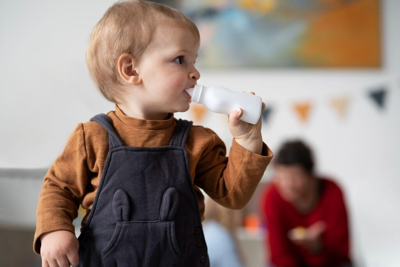
Babies in childcare bring big worries around feeding times. When getting ready to hand their little one over, parents tend to wonder - how do they keep bottles safe? What happens before a baby gets that morning feed? A thought popping into so many minds: will there be something on hand to heat it just right?
Warming bottles at daycare? It changes from one place to another. Each center follows different rules shaped by local safety standards. Not every facility uses a bottle warmer - some choose other ways just as well. Warmth matters, yes - but so does method. Parents often wonder what happens once that bottle is handed over. Knowing the routine helps ease minds before drop-off. Clarity comes from asking questions ahead of time.
Do Daycares Use Bottle Warmers?
Most daycare spots have bottle warmers on hand - infants often drink better when their milk is warmed first. These devices gently heat formula or breast milk, keeping things safe by avoiding hotspots. A steady temp matters; too much heat can ruin nutrients fast.
Yet some daycares skip bottle warmers altogether. Instead, they might set bottles in bowls of heated water. Rules often shift based on where the center operates, its license type, and internal safety steps. Even so, plenty of caregivers pick devices such as the Momcozy NightPro Bottle Warmer since it heats milk evenly without sudden spikes, helping infants adjust when moving from home care to group settings.
Bottle warmers usually run under close watch, handled by people who know exactly what to do. Milk heats slowly, checked often so it is just right when it comes time to feed. Safety guides every step, nothing is rushed, and each detail matters in the moment.
Why Daycares May Choose to Use Bottle Warmers
One reason could be convenience when getting bottles ready. Some find it helps keep milk at a steady temperature. Others might prefer using one to save time during busy moments.
Consistent Temperature
Baby bottles get warmed up slowly so the milk hits just right - close to how warm a mom feels inside. When little ones recognize that heat from their usual routine, drinking tends to go more smoothly.
Busy infant rooms run more smoothly with better efficiency
Babies cry. Rooms buzz. Hands rush from one task to another. Warming milk fast becomes less of a chore when machines handle heat instead of people watching pots all day.
Controlled Heating
Warming milk slowly? Some newer devices manage that trick well. Heat spreads evenly, so delicate parts of breast milk stay safe. Too much warmth can be harsh - these avoid it somehow.
Not every parent needs a high-end device, yet some still pack bottles when they know their usual routine includes slow heating. A steady temperature rise matters, so gadgets like the Momcozy milk warmer get picked - its method mirrors what happens on the kitchen counter.
Safety Guidelines for Bottle Warming in Daycares
Babies come first, so heating their bottles means playing it safe above all else. Most daycares handle warmers with clear steps - just to make sure nothing goes wrong.
Labeling and Storage
Start by marking every container with the child's name plus when the milk was expressed. That way, confusion gets avoided while making sure nothing stays too long before use.
Temperature Checks
A tiny splash lands on the inside of the wrist - just enough to judge warmth without burning. Shaking the bottle comes next, a light motion that mixes any heat pockets.
Avoiding Microwaves
Some daycares won’t allow bottle warming in microwaves. That kind of heat often spreads unevenly, leading to scalding zones inside the liquid.
Timed Feeding Windows
Most times, after warming, bottles must be used fairly soon so germs do not spread. Workers at daycare centers learn exactly how long it is safe.
Babies get milk that feels right in their mouth when caregivers follow basic precautions. A steady routine keeps things clean without extra effort.
Alternatives to Bottle Warmers in Childcare
Some daycares skip bottle warmers altogether - yet still feed babies safely. Other centers heat bottles differently, using techniques just as reliable.
Warm Water Bath
Warming milk often means setting a bottle into a bowl filled with hot water for a few minutes. Heat moves this way slowly, avoiding harsh temperature spikes.
Room Temperature Feeding
Babies sometimes prefer their milk not cold. So the bottle sits outside the fridge for a while before it is needed. Temperature matters less when a child does not mind what’s lukewarm.
Running Warm Water
A different approach uses a stream of warm tap water, slowly warming the bottle over time. Instead of sudden heat, it relies on steady flow to shift the temperature bit by bit.
Folks who heat milk this way usually succeed when they keep an eye on how hot it gets while sticking to clean practices. Warmth works fine if handled right.
Tips for Parents Sending Bottles to Daycare
Bottles ready ahead of time ease the morning rush at childcare. When labeled clearly, they help adults feed little ones without confusion. Getting things set the night before cuts down on last-minute stress.
Label Everything Clearly
Every bottle should carry your baby’s name along with the date. Feeding notes sometimes appear, too, added by certain parents.
Send Pre-Measured Bottles
Start getting bottles ready early, meaning caregivers skip mixing formulas when things get hectic. Busy times feel smoother once the prep work is already done.
Pack Extra Bottles
A little surprise might show up when a baby wants another feed. Keeping one spare on hand helps avoid worry if hunger shifts suddenly.
Ask About Storage
Does the daycare refrigerate bottles? How much time passes between storage and feeding matters too.
When you get things ready ahead of time, it becomes simpler for caregivers to stick to your baby’s schedule. That also means less waiting between feeds.

Questions to Ask Daycare About Bottle Warming Practices
Starting early with questions on how meals are handled can make things smoother when signing up your child. It helps match what you expect with how the center actually runs mealtime.
Consider asking:
- Do daycares use bottle warmers in the infant room?
- What method do caregivers use to warm breast milk or formula?
- How do staff check milk temperature before feeding?
- How are bottles stored before feeding time?
- What happens if a baby refuses a bottle?
- What’s the time limit on a heated bottle before tossing it out?
Baby care during feedings might feel less stressful once these details are clear. Questions like these help show how thoughtfully the process gets managed.
What babies eat matters a lot when they’re tiny, yet questions pop up like whether nurseries heat bottles and what happens to feeding times away from home. Some early childhood spots plug in heaters just because it’s easier, plus it keeps things predictable. Still, plenty stick to different ways that work fine without machines, so long as safety stays front and center.
It's less about which gadget you pick, more about how carefully things are handled. Labels must be clear, so anyone can tell what’s what without guessing. Temperature needs attention every single time - no skipping steps. People who look after little ones ought to know exactly what to do, every step of the way.


(0) comments
We welcome your comments
Log In
Post a comment as Guest
Keep it Clean. Please avoid obscene, vulgar, lewd, racist or sexually-oriented language.
PLEASE TURN OFF YOUR CAPS LOCK.
Don't Threaten. Threats of harming another person will not be tolerated.
Be Truthful. Don't knowingly lie about anyone or anything.
Be Nice. No racism, sexism or any sort of -ism that is degrading to another person.
Be Proactive. Use the 'Report' link on each comment to let us know of abusive posts.
Share with Us. We'd love to hear eyewitness accounts, the history behind an article.