
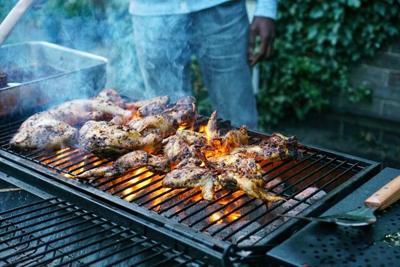

Charcoal grilling has a way of making dinner feel less like a task and more like an event. There is the slow glow of the coals, the smoky aroma drifting across the yard, and the small but very real satisfaction of cooking outdoors without pretending the microwave was ever part of the plan.
Still, choosing the right charcoal grill for backyard entertaining is not as simple as grabbing the first shiny black kettle that looks respectable online. The right grill depends on how much space you have, how many people you usually feed, how much control you want over heat, and whether you are the type of host who calmly flips vegetables at sunset or the type who realizes the burgers are still frozen while guests are already holding cocktails.
A good charcoal grill should make outdoor cooking more enjoyable, not more dramatic. Here is how to choose one that fits your home, your cooking style, and the way you actually entertain.
Start With the Way You Really Grill
Before shopping for a charcoal grill, think honestly about how you use your outdoor space. A couple who grills steaks on the patio twice a month does not need the same setup as a family that hosts every Sunday, feeds visiting relatives, and somehow always has one child requesting hot dogs while everyone else wants salmon.
For casual backyard entertaining, a classic kettle-style charcoal grill is often the most versatile choice. It can handle burgers, chicken, vegetables, ribs, and slower indirect cooking if you learn how to arrange the coals properly. For smaller patios, balconies where allowed, camping, or tailgating, a compact cast iron option can be easier to store and more enjoyable to use. Larger cart-style charcoal grills can work beautifully for frequent hosts, but they need more room and more maintenance.
The point is not to buy the biggest grill. The point is to buy the grill you will actually use. A massive setup that sits untouched in the corner of the yard is not an upgrade. It is outdoor sculpture with grease stains.
Choose the Right Size for Your Space
Grill size matters, but more square inches are not always better. A small charcoal grill can be perfect for two to four people, especially if you cook in batches or keep meals simple. A medium grill works well for families and casual weekend entertaining. A large grill is best for people who frequently host groups, cook multiple proteins at once, or want room for direct and indirect heat zones.
For most homeowners, the sweet spot is a grill large enough to create two cooking zones. One side holds the hot coals for searing, while the other side stays cooler for slower cooking or holding finished food. This setup is especially helpful for chicken, thicker cuts of meat, sausages, and vegetables that prefer not to be treated like they have done something wrong.
If your outdoor area is small, measure before buying. Leave safe clearance around the grill, keep it away from siding and overhangs, and make sure guests can move comfortably around the cooking area. Backyard entertaining works better when the person grilling is not trapped behind patio furniture like a contestant in an obstacle course.
Understand the Difference Between Charcoal Grill Styles
Kettle grills are popular for a reason. They are relatively affordable, easy to find, and flexible enough for both quick weeknight meals and weekend projects. Their domed lids help circulate heat, which makes them useful for indirect cooking as well as basic grilling.
Portable charcoal grills are better for small spaces, camping, beach-adjacent cooking where permitted, and people who want the flavor of charcoal without dedicating half the patio to equipment. A good example is the Lodge Sportsman’s Pro Cast Iron Grill, a hibachi-style cast iron grill designed with a four-piece build and dual air vents for heat control. It is not the grill for a giant party, but for a smaller gathering, patio meal, or serious steak night, cast iron brings excellent heat retention and a satisfyingly old-school cooking experience.
Cart-style charcoal grills offer more prep space and often more cooking area. These are useful if you entertain often and want side shelves, storage, and a more substantial backyard setup. Just remember that more features also mean more surfaces to clean. Outdoor glamour always comes with a small invoice from reality.
Look for Airflow Control
Airflow is one of the most important features on a charcoal grill. Charcoal burns hotter when it gets more oxygen and cools when airflow is restricted. That means vents are not decorative little circles; they are how you control the fire.
A good charcoal grill should have adjustable vents on the bottom and top, allowing you to manage temperature without constantly lifting the lid. Lifting the lid too often releases heat and smoke, slows cooking, and announces to everyone that you are concerned. Learn to trust the vents, use a thermometer when needed, and give the grill time to work.
If you want to cook more than burgers and hot dogs, airflow control becomes even more important. Ribs, chicken, pork shoulder, thicker vegetables, and whole fish benefit from steady temperatures. The better the airflow design, the easier it is to maintain a reliable cooking environment.
Think About Fuel Before the First Cookout
Charcoal grilling gives you two main fuel choices: briquettes and lump charcoal. Briquettes are uniform, widely available, and good for steady heat. Lump charcoal burns hotter and can create a more natural wood-fired flavor, although the pieces vary in size and may require a little more attention.
For beginners, briquettes are often easier. They provide consistency, which matters when you are learning how to control heat. Lump charcoal is excellent for experienced grillers or anyone who enjoys a hotter, more responsive fire. Either can work well for backyard entertaining as long as you understand how it behaves.
What you should avoid, whenever possible, is turning every cookout into a lighter-fluid event. It can affect flavor, and frankly, there are better ways to light charcoal.
Use a Chimney Starter Instead of Guesswork
A chimney starter is one of the smartest tools for charcoal grilling because it helps light coals evenly without needing lighter fluid. The Weber Rapidfire Chimney Starter is a strong example because it is designed to light charcoal quickly and evenly, with a large-capacity chamber and airflow that helps the coals catch.
This is not a glamorous accessory, but it is the kind of tool that makes grilling feel calmer. You fill it with charcoal, light your starter material underneath, and wait until the coals are ashed over and ready. Then you pour them into the grill and begin cooking with a more even fire.
For hosts, that matters. Entertaining is easier when the grill starts reliably and you are not standing over stubborn coals while guests politely pretend they are not hungry.
Do Not Skip a Good Thermometer
Charcoal grilling has personality, which is a charming way of saying it can be unpredictable. Hot spots, wind, lid-lifting, thick cuts, and varying coal heat can all affect cooking time. That is why an instant-read thermometer is not just for serious grill people. It is for anyone who would prefer not to serve chicken with suspense.
The ThermoWorks Thermapen ONE is a polished option for cooks who want fast, precise readings. A thermometer helps you cook confidently, whether you are grilling steak, burgers, pork, poultry, or fish. It also helps with food safety, which is not the sexiest part of backyard entertaining but is absolutely the part everyone appreciates later.
The USDA safe minimum internal temperature chart is worth bookmarking. As a general guide, whole cuts of beef, pork, veal, and lamb should reach 145 degrees Fahrenheit with a three-minute rest, ground meats should reach 160 degrees Fahrenheit, and poultry should reach 165 degrees Fahrenheit.
Plan for Direct and Indirect Heat
A good charcoal grill for backyard entertaining should allow you to cook with both direct and indirect heat. Direct heat means food sits right over the coals. It is best for burgers, thin steaks, shrimp, skewers, and vegetables that cook quickly. Indirect heat means the food sits away from the coals with the lid closed, creating a more oven-like environment.
Indirect heat is what makes charcoal grilling more versatile. It lets you cook bone-in chicken without torching the outside, finish thick steaks after searing, or keep food warm while the rest of dinner catches up. It also helps prevent the classic backyard mistake of serving food that is somehow burned and undercooked at the same time, which is a culinary achievement no one should chase.
When choosing a grill, look for enough room to bank coals to one side or arrange them around the edges. If the grill is too small to create heat zones, it may still be useful, but it will be less flexible for entertaining.
Make Cleanup Part of the Buying Decision
Charcoal grills require ash cleanup, and it is much easier when the grill is designed with that in mind. Look for removable ash catchers, accessible grates, and parts that do not require a full engineering degree to clean.
Cast iron needs a little extra care. It should be kept dry, cleaned properly, and seasoned as needed. Kettle grills and cart grills may require less fuss, but they still need regular brushing, ash removal, and cover protection if they live outdoors.
Before buying, ask yourself where the grill will be stored and how easy it will be to clean after a party. The best grill is not just the one that performs beautifully at 6 p.m. It is the one you are still willing to deal with the next morning when the romance of outdoor cooking has worn off and the coffee has not yet helped.
Create a Better Backyard Grilling Setup
The grill is only one part of the outdoor cooking experience. A useful setup includes a safe cooking location, nearby prep space, long-handled tools, heat-resistant gloves, a clean platter for finished food, and a trash or compost plan that does not involve guests wandering around with corn cobs.
For a more polished entertaining setup, think in zones. Keep raw ingredients separate from finished food. Place drinks away from the grill so guests are not crowding the cook. Set up condiments, sides, and serving pieces before the first batch comes off the grate. If you are building out a larger summer hosting plan, Fine Magazine’s guide to luxury pool party ideas for effortless summer entertaining has more inspiration for turning an outdoor space into a full experience.
The more organized the setup, the more relaxed the gathering feels. No one needs to know that the calm host vibe was built on three trays, two towels, and a very strategic pair of tongs.
The Final Charcoal Grill Buying Checklist
Before choosing a charcoal grill, look at the full picture. Choose a size that fits your space and guest count. Make sure the grill allows for direct and indirect cooking. Look for adjustable vents, sturdy construction, a practical ash-cleaning system, and enough cooking surface for the meals you actually make.
Then add only the tools that improve the experience. A compact cast iron grill can be perfect for smaller outdoor spaces and serious flavor. A chimney starter makes charcoal easier to light. A good instant-read thermometer helps you cook with confidence. Beyond that, keep the setup simple until you know what you truly use.
A charcoal grill for backyard entertaining does not need to be complicated. It needs to be reliable, well suited to your home, and enjoyable enough that you want to use it again. Because the real luxury is not owning the biggest grill on the block. It is serving dinner outside, under a warm evening sky, with food that tastes like someone cared enough to light actual coals.


(0) comments
We welcome your comments
Log In
Post a comment as Guest
Keep it Clean. Please avoid obscene, vulgar, lewd, racist or sexually-oriented language.
PLEASE TURN OFF YOUR CAPS LOCK.
Don't Threaten. Threats of harming another person will not be tolerated.
Be Truthful. Don't knowingly lie about anyone or anything.
Be Nice. No racism, sexism or any sort of -ism that is degrading to another person.
Be Proactive. Use the 'Report' link on each comment to let us know of abusive posts.
Share with Us. We'd love to hear eyewitness accounts, the history behind an article.