
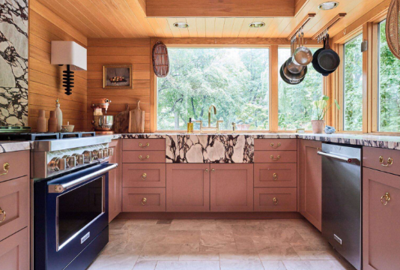

Home remodeling trends move faster today than ever before. Social media platforms, television shows, and online design galleries constantly introduce new aesthetics that quickly gain popularity among homeowners planning renovations. While these trends often look exciting initially, many people later discover that highly fashionable upgrades do not always age well inside everyday living spaces.
A design choice that feels modern for a short period can begin looking outdated surprisingly quickly once trends shift again. Homeowners sometimes focus so heavily on what is currently popular that they overlook whether those features genuinely fit their long-term lifestyle or the overall character of the property. What looks impressive online may not function comfortably in daily life several years later.
More homeowners are now approaching remodeling decisions with greater caution because renovation costs continue rising significantly. Instead of chasing every design trend immediately, many people are prioritizing practicality, durability, and timeless functionality during renovation planning. Professionals involved in Home remodeling in Columbus, OH are increasingly helping clients balance modern style with long-term usability to avoid expensive renovation regret later.
Social Media Trends Often Prioritize Appearance Over Function
Many design trends become popular because they photograph well rather than because they improve everyday living. Dramatic kitchens, ultra-minimalist layouts, and highly stylized finishes may create strong visual impact online, but they sometimes sacrifice practicality in real household routines. Features designed mainly for appearance can quickly become frustrating once homeowners live with them daily.
Open shelving provides one common example. While it creates a clean and modern visual style, many homeowners later realize it requires constant organization and cleaning to maintain the intended look. Similarly, trendy furniture layouts or oversized statement fixtures may disrupt movement and reduce usable space within busy homes.
Functional design choices generally provide stronger long-term satisfaction because they support how people actually use their living spaces. Experienced remodeling professionals often encourage homeowners to evaluate whether a trend improves comfort and usability or simply follows current visual popularity. Long-term practicality tends to matter more after the excitement of a renovation fades.
Highly Customized Designs Can Limit Future Flexibility
Personal style plays an important role in remodeling projects, but extremely specific design choices may reduce flexibility over time. Bold color schemes, unusual built-in features, and highly themed spaces sometimes become difficult to adapt as tastes change or future needs evolve. What feels exciting today may eventually feel restrictive several years later.
Families also change over time, which means homes often need to support different routines and priorities later. A space designed around one very specific lifestyle trend may not transition easily into future uses. Flexible layouts and balanced design choices usually adapt more naturally as household needs evolve.
Homeowners planning long-term renovations often benefit from focusing on foundational quality rather than temporary trends alone. Homecraft Remodeling regularly works with clients seeking spaces that feel current without becoming visually outdated too quickly. Timeless structure paired with selective modern details often creates stronger long-term results.
Trend-Driven Materials Sometimes Age Poorly
Certain materials gain sudden popularity because they dominate design magazines and renovation shows for a period of time. However, not every trendy material maintains the same appeal or performance after years of regular use. Some surfaces that appear luxurious initially may require excessive maintenance or begin deteriorating faster than expected.
Very light flooring, heavily textured finishes, and delicate countertop materials sometimes reveal practical disadvantages after installation. Scratches, staining, and visible wear can quickly affect appearance in busy households with children, pets, or frequent entertaining. Homeowners may later regret prioritizing trend appeal over durability.
Timeless materials often remain desirable because they balance aesthetics with long-term performance. Natural textures, neutral palettes, and durable finishes tend to adapt more easily as surrounding décor evolves over time. Remodeling choices that age gracefully usually provide stronger long-term satisfaction than aggressively trend-focused upgrades.
Layout Trends Do Not Always Match Real Living Habits
Some modern layout trends appear attractive in staged photography but feel less practical during everyday life. Completely open floor plans, for example, remain popular in many renovations, yet some homeowners later miss having quiet separation between rooms. Noise control, privacy, and organization can become more difficult in fully exposed layouts.
Likewise, oversized kitchen islands or expansive empty spaces sometimes reduce flexibility rather than improving it. Homes function best when layouts reflect how people actually move, gather, and relax daily. Following trends without considering household routines may create beautiful spaces that feel inconvenient over time.
Successful remodeling projects usually begin with lifestyle evaluation instead of trend imitation. Families who cook frequently, work from home, entertain often, or need private retreat areas all require different spatial solutions. Home remodeling in Columbus, OH increasingly focuses on personalized functionality instead of copying generic design trends from online inspiration alone.
Fast Trend Cycles Increase Renovation Fatigue
One challenge with highly trend-driven remodeling is that visual styles now change extremely quickly. Features considered modern only a few years ago may already appear dated according to newer online design standards. Homeowners who renovate primarily around trends often feel pressure to update spaces repeatedly to keep up visually.
Constant redesigning creates unnecessary financial strain and renovation fatigue over time. Instead of enjoying their homes comfortably, some homeowners become trapped in a cycle of chasing the next aesthetic movement. Renovations should ideally improve long-term quality of life rather than create ongoing pressure to stay visually current.
Balanced remodeling allows spaces to remain adaptable without feeling tied to one specific design era. Neutral foundations combined with smaller interchangeable décor elements provide more flexibility as preferences evolve naturally. This approach usually reduces the need for frequent major renovations later.
Lighting Trends Can Affect Comfort More Than Expected
Lighting design trends have shifted dramatically in recent years, especially with the rise of statement fixtures and heavily stylized ambient lighting. While decorative lighting can enhance visual character, poor planning sometimes creates uncomfortable living environments despite attractive aesthetics.
Overly dim interiors, excessively harsh fixtures, or trend-focused lighting placement may reduce functionality during normal daily activities. Kitchens, workspaces, and bathrooms require practical visibility in addition to visual atmosphere. Homeowners often realize after renovation that certain lighting trends looked better in photographs than in real use.
Thoughtful lighting design considers mood, visibility, energy efficiency, and long-term flexibility together. Effective lighting supports both aesthetics and practical comfort throughout different areas of the home.
Timeless Remodeling Choices Usually Deliver Better Long-Term Satisfaction
Trends naturally influence remodeling ideas, and incorporating selected modern elements can help homes feel fresh and current. However, long-term satisfaction usually comes from thoughtful design choices that continue functioning well even as visual styles evolve. Practical comfort often matters more than temporary popularity after homeowners settle into the finished space.
The most successful renovations balance personality with flexibility instead of relying entirely on rapidly changing trends. Durable materials, adaptable layouts, and functional organization tend to remain valuable long after design movements shift again. Homeowners who prioritize everyday livability often feel more satisfied with their investment over time.
Homecraft Remodeling approaches renovation planning with attention to both style and long-term practicality. By helping homeowners create spaces that feel personalized without becoming overly trend-dependent, remodeling projects can remain comfortable, functional, and visually balanced for many years ahead.
(0) comments
We welcome your comments
Log In
Post a comment as Guest
Keep it Clean. Please avoid obscene, vulgar, lewd, racist or sexually-oriented language.
PLEASE TURN OFF YOUR CAPS LOCK.
Don't Threaten. Threats of harming another person will not be tolerated.
Be Truthful. Don't knowingly lie about anyone or anything.
Be Nice. No racism, sexism or any sort of -ism that is degrading to another person.
Be Proactive. Use the 'Report' link on each comment to let us know of abusive posts.
Share with Us. We'd love to hear eyewitness accounts, the history behind an article.