
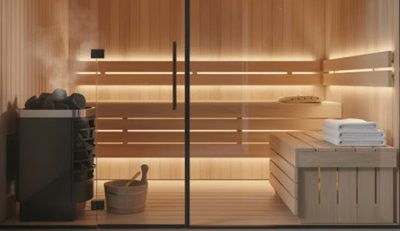

There was a time when a home sauna meant a cedar box tucked in the corner of a basement, mostly used by Scandinavian households who knew what they were doing. That image is outdated. Today, home saunas are increasingly viewed as a premium wellness feature in modern homes, often incorporated alongside spa-inspired bathrooms, cold plunge pools, and home gyms to create a more intentional living environment.
What changed? A combination of things. Wellness culture shifted from gym-centric to whole-body recovery. Remote work gave people more time at home and more reason to invest in it. And sauna technology has improved enough that installation no longer requires a major renovation.
The result is a feature that feels genuinely luxurious without being out of reach for a growing number of homeowners. Sauna heaters play a central role in delivering consistent heat performance and overall sauna experience.
Why Saunas Fit So Naturally Into Modern Home Design
Modern home design prioritises two things above almost everything else: clean aesthetics and intentional living. Saunas check both boxes.
A well-designed sauna is visually striking. The warmth of natural wood, such as hemlock, cedar, or thermowood, paired with matte tile, stone, or concrete, creates the kind of contrast that interior designers are especially drawn to. Whether it is a full outdoor sauna cabin, a glass-fronted indoor unit in a dedicated wellness room, or a compact two-person infrared sauna in a master suite, the visual language fits comfortably within contemporary design sensibilities.
Beyond aesthetics, there is the question of purpose. Modern homeowners are increasingly prioritizing how a space influences their well-being and daily experience, rather than focusing solely on its visual appeal. A sauna is not a passive feature — it gets used. It becomes part of a daily or weekly routine that tangibly improves wellbeing, which makes it a more satisfying investment than, say, a statement light fixture or an expensive backsplash.
The Health Case That Drives the Decision
Homeowners investing in a sauna are not doing it purely for status. The potential health benefits are widely recognized and have become an important consideration for many buyers.
Regular sauna use has been linked to meaningful improvements across several areas:
- Cardiovascular health: Regular sauna use is often linked with better heart function, improved circulation, and overall heart health support.
- Muscle recovery and pain relief: Heat therapy relaxes soft tissue, reduces inflammation, and speeds up recovery from exercise, making a home sauna a practical tool for anyone with an active lifestyle.
- Stress reduction: Regular sauna sessions may help promote relaxation by supporting a calmer nervous system response and lowering everyday stress levels.
- Sleep quality: Sauna sessions in the evening may help support deeper and more restful sleep, as the gradual cooling of the body afterward can encourage natural relaxation and sleep readiness.
- Skin health: Sweating opens pores, improves circulation to the skin, and gives a post-session glow that is hard to replicate with topical products.
These are not minor quality-of-life perks. For many homeowners, these wellness and lifestyle benefits are what make the investment feel worthwhile.
How Saunas Are Being Integrated Into Modern Homes
Saunas are no longer viewed as a secondary or overlooked feature. In high-end new builds and renovations, saunas are being designed into the floor plan from the start. Here’s what this looks like in practice.
- Dedicated wellness rooms: Many homeowners are converting spare bedrooms or basement spaces into full wellness suites, combining a sauna with a cold plunge, a shower, and a relaxation area. This kind of layout treats recovery as a serious part of daily life, not an occasional indulgence.
- Outdoor sauna cabins: Freestanding outdoor saunas have become a popular choice for homeowners with garden space. A barrel sauna or a modern rectangular cabin creates a clear visual focal point in the garden and separates the wellness space from the main living area, which adds to the experience.
- Indoor infrared units: For those without the space or budget for a custom build, infrared sauna cabins offer a practical solution. They plug into a standard outlet, take up the space of a large wardrobe, and can be placed in a master bedroom, en suite, or home office. They look sleek in a modern interior and require almost no maintenance. The best infrared sauna for home settings is usually defined by comfort, energy efficiency, and reliable heat distribution for everyday wellness use.
- Integrated bathroom saunas: In larger bathroom renovations, a sauna enclosure with a glass door and floor-to-ceiling tile or stone surround has become a signature design element. The kind of feature that photographs well and adds immediate perceived value to the home.
Across all these setups, the performance and comfort of the experience largely depend on the quality of sauna heaters used, as they determine heat consistency, efficiency, and overall usability. Harvia electric sauna heaters are widely used in modern sauna installations for their reliability and consistent heat output.
Sauna Design Choices That Affect Aesthetics and Function
The materials and style decisions made in a sauna have a real impact on both how it looks and how it performs. A few key considerations worth knowing:
Wood species
Wood species affects both appearance and durability. Thermowood has a rich, dark tone that looks contemporary and resists moisture exceptionally well. Clear hemlock is lighter and works well in minimalist interiors. Cedar is the traditional choice and brings a distinctive scent that many people associate with the sauna experience.
Infrared vs traditional heating
Infrared saunas run at lower temperatures and suit people who want a gentler, longer session. Traditional heaters deliver intense heat and the option to pour water on the stones for steam, which some users find essential to the ritual.
Lighting
Lighting is often underestimated. A sauna with warm, dimmable lighting feels completely different from one with a single overhead bulb. Recessed lighting behind the backrest, chromotherapy panels, or simple warm-tone LED strips all contribute to the atmosphere.
Glass Panels and Doors
They have become a defining aesthetic element of the modern sauna. A full-glass front wall or a wide glass door opens the space visually, integrates it into the wider room, and makes a design statement that a solid timber door simply cannot.
The Property Value Argument
Beyond the personal wellness benefits, a home sauna has a practical financial case behind it. Wellness amenities consistently rank among the features that buyers notice and remember during viewings. A well-integrated sauna, particularly one that is part of a dedicated wellness space, can meaningfully differentiate a property in a competitive market.
It is worth noting that the value added is more about presentation than cost. A thoughtfully designed infrared sauna in a clean, well-lit space adds more perceived value than an expensive but poorly integrated traditional build. How it looks matters as much as what it is.
A Feature Built for How People Live Now
The home sauna is no longer a niche addition for serious enthusiasts. It has become a natural extension of how people are thinking about their homes — as places designed not just for shelter and aesthetics, but for genuine wellbeing.
As wellness increasingly influences home design choices, saunas are becoming as common a consideration as kitchens or well-planned bathrooms.
For homeowners thinking about where to invest in their space, it is one of the few features that delivers on both counts: it looks exceptional and it genuinely improves daily life.
SaunaHeaters.com is a trusted resource for exploring sauna heating options and planning efficient, high-performance sauna setups for modern homes.
Author Bio
John is the YouTube lead and resident sauna enthusiast at SaunaHeaters.com. He creates educational videos and written guides covering sauna health benefits, proper installation, ventilation, and best practices. His goal is to make sauna ownership simple, safe, and approachable through clear, practical guidance.
(0) comments
We welcome your comments
Log In
Post a comment as Guest
Keep it Clean. Please avoid obscene, vulgar, lewd, racist or sexually-oriented language.
PLEASE TURN OFF YOUR CAPS LOCK.
Don't Threaten. Threats of harming another person will not be tolerated.
Be Truthful. Don't knowingly lie about anyone or anything.
Be Nice. No racism, sexism or any sort of -ism that is degrading to another person.
Be Proactive. Use the 'Report' link on each comment to let us know of abusive posts.
Share with Us. We'd love to hear eyewitness accounts, the history behind an article.