
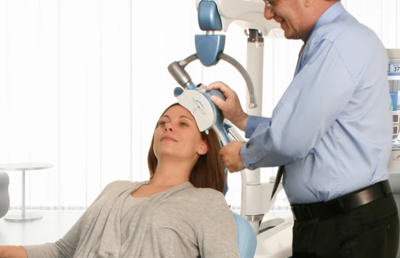

Mental health concerns can affect every part of daily living. Many people seek different treatments to feel better and regain control. Transcranial Magnetic Stimulation, or TMS therapy, offers a non-invasive approach that has gained attention for its effectiveness. Understanding how TMS therapy works and how it supports daily well-being can help individuals make informed choices about mental health care.
What Is TMS Therapy?
In Transcranial Magnetic Stimulation, we use magnetic fields to stimulate certain areas of the brain. It does not address the issue through surgery or medication. Clinicians focus on specific areas associated with mood control to modulate brain activity. Sessions are conducted in the range of 20 to 40 minutes, and individuals stay fully awake and alert during each session. TMS therapy is typically recommended for individuals who have not experienced relief from other treatments.
How TMS Therapy Functions
A trained professional gently presses a coil onto the skin of the scalp. It sends magnetic pulses that reach selected brain cells. These pulses generate microelectrical currents, which stimulate the brain to function in a better manner. The aim is to stimulate areas that are underactive, especially the areas that are involved in mood and emotion. The stimulation produces effects on mood and behavior that last for days or weeks after several sessions.
Session Experience and Comfort
While doing TMS therapy, people are usually aware of tapping on their head. Discomfort is generally mild and tends to fade over time. No anesthesia is required, and there is no recovery time after treatment. Most do not observe any post-activity period. This ease of administration appeals to those with a fast-paced lifestyle or obligations.
Daily Benefits for Mental Health
Daily sessions of TMS can lead to better daily experiences of how people feel. Others say they experienced improved mood and focus a few weeks later. Some find that they experience less sadness or anxiety. TMS therapy helps avoid common side effects like weight gain or fatigue associated with common medications being used. This makes it a viable choice for those who are allergic to, or sensitive to, medicine or have had adverse side effects.
Supporting Long-Term Wellness
The results of TMS therapy can last for many months or longer. This is a longer window for help with better regulation of mood, which can facilitate cleaner choices. A better mood translates to improved sleep, deeper connections, and more drive to do the dishes. After TMS therapy, a lot of people feel they can manage things better.
Who Can Benefit from TMS Therapy?
TMS therapy can be an effective alternative option for adults with specific mental health disorders, like depression, especially if other attempts are more of a hit-and-miss. An evaluation will be conducted to see if TMS therapy is the right fit. Because it is not appropriate in some health conditions or because of metal implants, a healthcare provider must evaluate the personal circumstances of each individual before using it.
Safety and Research
Studies show that TMS therapy is appropriate for many. Most side effects are mild and include a slightly itchy scalp or a transient headache. In the hands of the trained professionals, serious complications are rare. There are ongoing studies on TMS therapy for other conditions, such as anxiety and obsessive thoughts.
Improving Daily Functioning
Though daily routines are so difficult at first, they often become easier to do as the mood improves. It also aids work, school, and personal tasks with heightened focus and energy. Most importantly, stronger emotional regulation makes it easier for us to feel happy in social contexts. TMS therapy can restore hope in those who have battled for years, only to be met with failure in finding a solution.
TMS therapy is a powerful avenue for those looking to improve mental health. It promotes positive change by gently stimulating the key brain regions responsible for how we feel, so we can feel better every day. As research continues to expand and it becomes more available, TMS therapy is here to stay and might be a great option for someone living with mild-to-moderate depression who wants to experience less day-to-day or baseline suffering. Those interested in this route should get in touch with a healthcare professional to assess whether TMS therapy is appropriate for them.
(0) comments
We welcome your comments
Log In
Post a comment as Guest
Keep it Clean. Please avoid obscene, vulgar, lewd, racist or sexually-oriented language.
PLEASE TURN OFF YOUR CAPS LOCK.
Don't Threaten. Threats of harming another person will not be tolerated.
Be Truthful. Don't knowingly lie about anyone or anything.
Be Nice. No racism, sexism or any sort of -ism that is degrading to another person.
Be Proactive. Use the 'Report' link on each comment to let us know of abusive posts.
Share with Us. We'd love to hear eyewitness accounts, the history behind an article.