
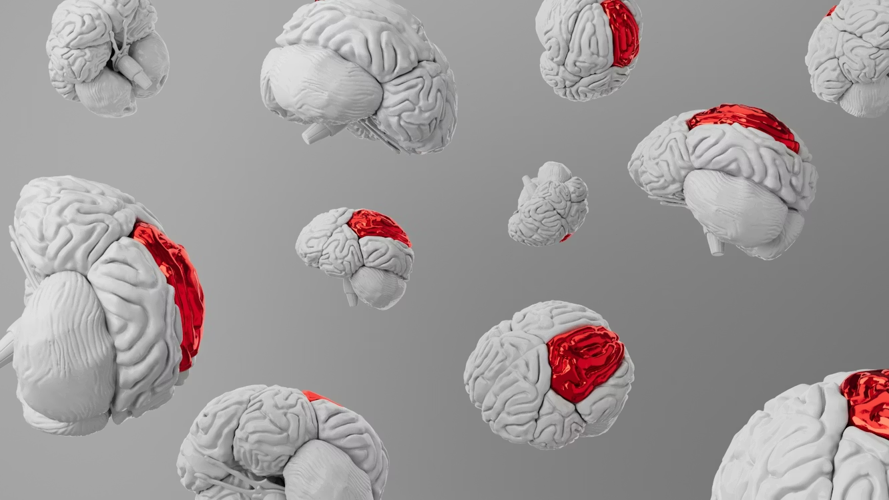

Your mind is the engine behind every choice you make. Protecting it is not a luxury - it is daily maintenance that helps you think clearly, handle stress, and enjoy life more. With a few steady habits, you can build a stronger, more adaptable brain at any age.
Why Brain Health Matters Right Now
Cognitive decline touches more families than many realize. Researchers have projected that a large share of Americans over 55 may eventually face dementia, which makes prevention urgent and practical.
The good news is that lifestyle choices can tilt the odds toward better long-term brain function.
Make Neuroplasticity Your North Star
Your brain rewires in response to what you do often. Repetition with just-right challenge strengthens circuits for memory, attention, and problem-solving. Brain plasticity advice from CogniWiki says that small, consistent steps beat heroic bursts, and that is exactly how synapses change. If a habit is easy to repeat, your brain is more likely to adapt in your favor.
How To Pick The Right Challenges
Choose tasks that feel 10-20 percent beyond comfortable
Practice briefly but often, then rest to consolidate gains
Rotate skills weekly so different brain networks get work
What Science Says About Lifestyle And Cognition
Large, real-world trials show that bundled habits work better than one-off fixes. A recent U.S. study of older adults at risk of decline found that a multimodal approach, including movement, nutrition, cognitive training, and social support, improved thinking skills.
That result points to a simple idea: stack small wins and let them compound. The effect sizes may seem modest at first, but consistent practice builds resilience over months and years.
Researchers note that combining physical activity with mentally stimulating tasks produces greater gains than either alone.
Social engagement adds another layer, reinforcing motivation and reducing stress. Tracking progress, even with small metrics, helps maintain momentum and reveals patterns that guide adjustments. Science shows that daily, manageable habits create meaningful cognitive benefits.
Move Your Body To Feed Your Brain
Physical activity is one of the most reliable ways to support brain health.
Global health authorities note that regular movement benefits attention, mood, and long-term cognitive function. Treat exercise like medicine - short sessions most days are enough to start the flywheel.
A Simple Weekly Mix
3 days of moderate cardio, like brisk walks or cycling
2 short strength sessions for posture and glucose control
Daily micro-moves - stairs, stretch breaks, and outdoor time
Sleep, Fuel, And Focused Breaks
Recovery locks in learning. Aim for a steady sleep window and keep screens out of reach at bedtime so deep sleep can do its repair work.
During the day, pair protein-rich meals with colorful plants and schedule short, screen-free pauses to reset attention.
Water supports concentration and memory consolidation. Consistent timing for meals and breaks trains your body and mind to anticipate rest and refocus periods. Light movement between tasks boosts circulation and alertness without cutting into work.
Mindful breathing or brief meditation can reduce stress and improve clarity for the next session. Together, these routines make energy, focus, and learning more reliable throughout the day.
Train The Big Three: Memory, Attention, And Flexibility
You do not need fancy apps to challenge your brain. Target three core skills with everyday tools and clear goals. Keep sessions short and specific, then raise the bar a little each week.
Memory - teach yourself a short poem or grocery list using imagery
Attention - do a 10-minute task with notifications off and a timer on
Flexibility - switch between two rules and sorting cards or notes
Build A Brain-Friendly Environment
Your space can nudge better choices without willpower. Put books and instruments within reach, keep a puzzle on the table, and make your walking shoes easy to grab. A quiet corner with good light invites practice and makes deep work feel natural.
Friction-Reducing Tweaks
Pre-pack a small workout bag and leave it by the door
Use a physical timer for 25-minute focus sprints
Keep a water bottle on your desk to cue micro-breaks
Protect What You Have, And You Build More
Prevention and growth go together. Manage blood pressure, glucose, and hearing, since each affects cognitive load and social engagement.
A national research bulletin underscored how widespread dementia risk may be over the coming decades, which is a reminder to keep annual checkups and treat health basics as brain basics.
Stay current with vaccinations and vision care, since infections and sensory loss can accelerate cognitive strain.
Prioritize safe movement; falls can set back months of progress with a single injury. Track medications and supplements carefully, noting interactions that affect alertness or memory.
Social engagement counts too. Regular contact with friends and family strengthens mental resilience. Sleep hygiene completes the loop, letting restorative cycles consolidate learning and protect neural health.
Make It Personal, Make It Social
Brains thrive on meaning and connection. Learn skills you care about - cooking a new cuisine, playing chords, or a language you might use - and do them with other people.
Social practice boosts motivation, adds feedback, and turns healthy routines into something you look forward to.
A 4-Week Brain Health Starter Plan
Week by week, layer habits so they stick. Keep each step simple and use weekends to reset.
Week 1 - 20-minute walks 4 times; lights-out target set nightly
Week 2 - add 2 bodyweight sessions and 2 focus sprints
Week 3 - introduce one memory challenge and a new recipe
Week 4 - schedule a social learning session and a nature walk
Keep Score The Easy Way
Track just a few signals so you do not drown in data. Log minutes moved, nights of solid sleep, and one weekly skill milestone. If a number dips, adjust the next week rather than chasing quick fixes.

When To Ask For Extra Help
If brain fog, mood swings, or sleep issues persist, talk to a clinician. Early support matters, and coaching from a therapist, trainer, or dietitian can tailor a plan to your life. Treat help-seeking as a strength - personalized feedback speeds progress.
Caring for your mind is a long game with daily moves. Blend movement, sleep, and skill practice, and keep challenges small enough to repeat.
As the evidence shows, bundled habits can improve thinking over time, and regular physical activity adds a steady lift. Start where you are, be kind to your future self, and let your brain get stronger one simple session at a time.
(0) comments
We welcome your comments
Log In
Post a comment as Guest
Keep it Clean. Please avoid obscene, vulgar, lewd, racist or sexually-oriented language.
PLEASE TURN OFF YOUR CAPS LOCK.
Don't Threaten. Threats of harming another person will not be tolerated.
Be Truthful. Don't knowingly lie about anyone or anything.
Be Nice. No racism, sexism or any sort of -ism that is degrading to another person.
Be Proactive. Use the 'Report' link on each comment to let us know of abusive posts.
Share with Us. We'd love to hear eyewitness accounts, the history behind an article.