
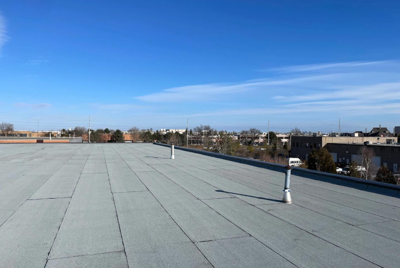

Flat roofs are a common feature on many properties in Philadelphia, especially on row houses, apartment buildings, and commercial structures. While flat roofs are practical and space-efficient, they also require regular inspections to ensure they remain in good condition. Because flat roofs have minimal slope, they can be more vulnerable to water accumulation, weather damage, and gradual material wear.
Routine roof inspections are one of the most effective ways to identify problems early and prevent costly repairs. For property owners in Philadelphia, understanding how flat roof inspections work and why they are important can help protect both the building structure and the investment in the property.
Why Flat Roof Inspections Are Important
Flat roofs are constantly exposed to environmental factors such as rain, snow, sunlight, and temperature fluctuations. Over time, these conditions can slowly weaken roofing materials. Without regular inspections, small issues may go unnoticed until they develop into major structural problems.
Unlike sloped roofs where water runs off quickly, flat roofs may experience ponding water if drainage systems are not functioning properly. Standing water can gradually penetrate roofing membranes and cause leaks inside the building.
According to building maintenance guidelines discussed by the U.S. Environmental Protection Agency, preventative maintenance and routine inspections are essential for extending the lifespan of building components, including roofing systems.
When Flat Roof Inspections Should Be Performed
Property owners should schedule flat roof inspections at least once or twice a year. Seasonal inspections are especially important in cities like Philadelphia where weather conditions change significantly throughout the year.
Spring inspections allow homeowners to check for damage caused by winter snow, ice, and freezing temperatures. Fall inspections help prepare the roof for the upcoming winter season by identifying weak spots or drainage issues before heavy snowfall arrives.
In addition to seasonal inspections, roofs should also be inspected after severe storms. Strong winds, heavy rain, or hail can damage roofing membranes and flashing, even if the damage is not immediately visible from the ground.
What Inspectors Look for During a Flat Roof Inspection
A professional roof inspection involves carefully examining the entire roofing system. The goal is to identify early signs of wear, structural weaknesses, and drainage problems before they develop into more serious issues.
During a typical flat roof inspection, contractors usually evaluate several key elements, including:
Condition of the roofing membrane
Signs of ponding or standing water
Cracks, blisters, or punctures in roofing materials
Damage around flashing and roof edges
Drainage systems and roof drains
Seams and joints between roofing materials
Evidence of leaks inside the building
By reviewing these components, inspectors can determine whether the roof requires maintenance, repair, or additional protective treatments.
Common Flat Roof Problems in Philadelphia
Philadelphia’s climate can create several common issues for flat roofs. Heavy rain and snow can place extra stress on roofing systems, particularly if drainage systems become clogged with debris.
Ponding water is one of the most frequent problems on flat roofs. When water remains on the roof for extended periods, it can weaken roofing materials and eventually lead to leaks.
Temperature changes throughout the year can also cause roofing membranes to expand and contract. Over time, this movement can create cracks or separation at seams.
Additionally, older flat roofs may experience deterioration of materials due to long-term exposure to UV radiation and environmental pollutants.
The Role of Professional Roofing Contractors
While property owners can perform basic visual checks, professional roof inspections are essential for identifying hidden problems that may not be obvious to the untrained eye. Roofing professionals have the experience and equipment necessary to safely inspect the roof surface and evaluate its structural condition.
When issues are discovered during an inspection, property owners may need services related toFlat Roof Repair or Installation. Addressing these problems early can prevent further damage and help extend the lifespan of the roofing system.
Professional contractors can also recommend maintenance strategies, protective coatings, or drainage improvements that improve overall roof performance.
Benefits of Regular Flat Roof Inspections
Routine roof inspections provide several important advantages for property owners. One of the most significant benefits is early problem detection. Identifying issues such as small cracks or damaged flashing early can prevent expensive structural repairs later.
Inspections also help extend the life of the roofing system. Proper maintenance and timely repairs allow roofing materials to perform effectively for a longer period of time.
Another important benefit is improved property protection. A well-maintained roof helps prevent interior water damage, mold growth, and structural deterioration that could impact the safety of the building.
Regular inspections may also support insurance claims or property evaluations by providing documentation of the roof’s condition.
Flat roofs are widely used throughout Philadelphia due to their practicality and efficient use of space. However, they require consistent inspection and maintenance to remain reliable over time. Environmental conditions such as rain, snow, and temperature fluctuations can gradually affect roofing materials and lead to hidden damage.
Scheduling regular flat roof inspections allows property owners to detect problems early, maintain the integrity of the roofing system, and avoid unexpected repair costs. With proper care and professional evaluation, flat roofs can provide long-lasting protection for homes and buildings throughout Philadelphia.


(0) comments
We welcome your comments
Log In
Post a comment as Guest
Keep it Clean. Please avoid obscene, vulgar, lewd, racist or sexually-oriented language.
PLEASE TURN OFF YOUR CAPS LOCK.
Don't Threaten. Threats of harming another person will not be tolerated.
Be Truthful. Don't knowingly lie about anyone or anything.
Be Nice. No racism, sexism or any sort of -ism that is degrading to another person.
Be Proactive. Use the 'Report' link on each comment to let us know of abusive posts.
Share with Us. We'd love to hear eyewitness accounts, the history behind an article.