
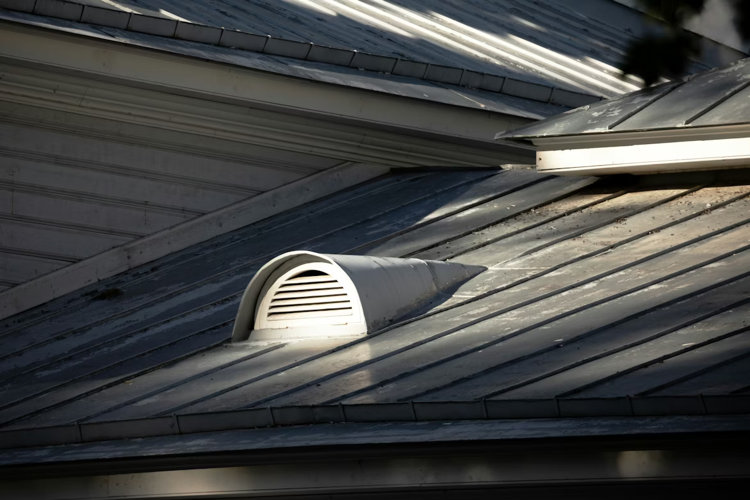
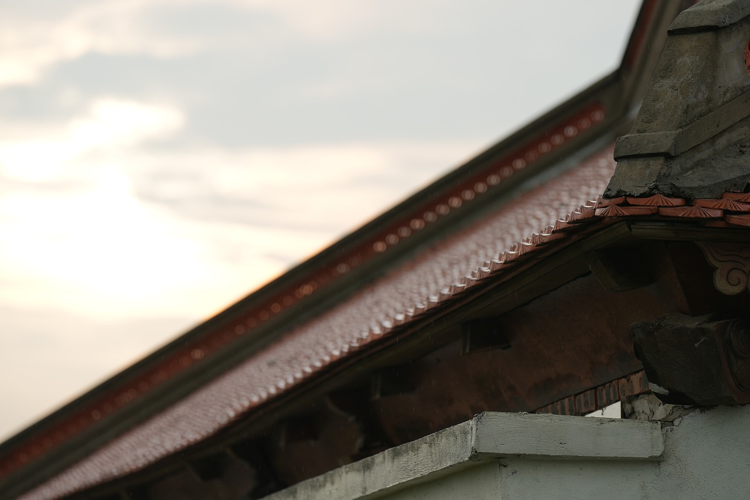
Keeping a roof in good shape takes more than luck. It requires a plan that looks at the materials and the environment around the house.
Most people only think about their shingles when a leak starts. By then, the damage might already be expensive to fix. Staying ahead of issues helps the structure stay strong for decades.

The Foundation Of Regular Care
Small problems turn into big ones if they stay hidden. Checking for loose shingles after a storm is a smart move. High winds or heavy rain can pull at the edges of the materials.
Clearing debris from the surface stops water from getting trapped. Wet leaves or branches create a perfect spot for rot to start. Keeping the area clear allows the sun to dry the surface quickly.
Regular inspections help you catch small cracks before they spread. Paying attention to flashing around vents and chimneys reduces the risk of leaks.
Addressing minor wear early often costs far less than major repairs later. Seasonal maintenance keeps materials performing as intended year-round. A consistent care routine protects both the roof’s lifespan and the home beneath it.
Choosing Professional Help
Hiring a pro gives a fresh set of eyes on the situation.
Experts see tiny cracks or soft spots that most homeowners miss. Whether you hire a Northwest Indiana roofing contractor, a contractor in Gap, PA, or someone else local to you, getting a pro involved is smart. They have the right tools to climb safely and check high peaks.
Their gear makes it easier to spot damage in hard-to-reach spots. Finding a local expert means they understand the specific weather in your town.
They know how local humidity or snow loads affect different materials. Working with someone nearby makes it easier to schedule quick checkups.
Professional assessments often include detailed reports with photos. This documentation helps you understand exactly what needs attention.
Experienced contractors can recommend materials suited to your climate. Their familiarity with local building codes reduces the risk of compliance issues. In the long run, expert guidance can prevent small concerns from becoming costly repairs.
The Role Of Professional Certifications
A formal review of the structure offers peace of mind. Some groups offer a specific type of guarantee for the work done. Industry experts focused on roof certifications explain that these documents usually last 2 to 5 years, depending on the age of the materials.
Having this paperwork helps when selling a home or renewing insurance. It proves the structure is free of major issues and will likely perform well. The length of the cert depends heavily on the type of material used on the house.
Metal or tile might get a longer rating than old asphalt. These reports provide a clear picture of what to expect in the coming seasons.
They outline any recommended repairs before certification is granted. Buyers often see certified properties as lower-risk investments.
Insurance providers may process claims more smoothly when documentation is current. Regular renewals keep homeowners aware of gradual wear and aging. In the long run, certifications support transparency and smarter maintenance planning.
Sustainability Through Infrastructure
Modern upgrades do more than just stop leaks. They can actually change how a building handles heat and energy. Educational research reports from major universities show that targeted infrastructure upgrades helped one campus drop emissions by 32% by 2024.
Replacing old equipment on top of a building makes a huge difference. New materials reflect more sunlight instead of absorbing it into the attic. This keeps the whole house cooler during the hot summer months.
Lowering the temperature on the surface reduces the strain on the air conditioner. Plus, it prevents the shingles from getting too hot and becoming brittle. Cooler roofs tend to last much longer than those that bake in the sun.
Improved insulation further improves energy performance. Ventilation upgrades can help regulate water and indoor air quality.
These combined improvements reduce utility costs for occupants. Sustainable materials often come with longer warranties and better durability ratings. Together, thoughtful infrastructure changes support both environmental goals and long-term building resilience.
The Growing Workforce
The demand for skilled labor in this field is rising. More people are looking for ways to protect their homes from harsh weather. A government report on labor statistics found that the median annual wage for these pros reached $50,970 in 2024.
Employment in the industry is expected to grow by 6% over the next decade. This growth means there are more qualified teams available to help with repairs. Finding a crew with the right experience is getting easier as more people enter the trade.
Training programs are expanding to meet this rising demand. Apprenticeships give new workers hands-on experience before leading projects. Competitive wages help attract talent from related construction fields.
As the workforce grows, service availability improves in both urban and rural areas. This steady expansion supports faster response times and higher-quality workmanship for homeowners.
Staying updated on the latest techniques is part of the job for these workers. They use new methods to fix leaks without replacing the whole surface. This saves money for the homeowner and keeps waste out of landfills.

Practical Steps For Longevity
Routine tasks keep the water flowing where it belongs. Clogged gutters are a main cause of wood rot along the edges of the house. Use these steps to stay on top of the work:
Clean the gutters every spring and fall to prevent overflows.
Trim tree branches so they stay at least 6 feet away from the house.
Check the flashing around chimneys for gaps or peeling sealant.
Look inside the attic for dark spots or damp insulation after a storm.
Following a schedule prevents surprises during the rainy season. It is much easier to patch a small hole than to replace an entire plywood sheet. Consistent effort pays off when the roof lasts 25 or 30 years.
Strong roofs protect everything underneath them. Investing a little time and money each year keeps the interior dry and safe. You can avoid the stress of a sudden emergency by watching for early signs of wear. Clear gutters and regular looks at the shingles make a big difference.


(0) comments
We welcome your comments
Log In
Post a comment as Guest
Keep it Clean. Please avoid obscene, vulgar, lewd, racist or sexually-oriented language.
PLEASE TURN OFF YOUR CAPS LOCK.
Don't Threaten. Threats of harming another person will not be tolerated.
Be Truthful. Don't knowingly lie about anyone or anything.
Be Nice. No racism, sexism or any sort of -ism that is degrading to another person.
Be Proactive. Use the 'Report' link on each comment to let us know of abusive posts.
Share with Us. We'd love to hear eyewitness accounts, the history behind an article.