
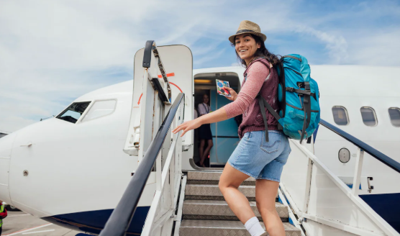

Traveling abroad for the first time is an exciting experience filled with opportunities. You can explore new places, immerse yourself in different cultures, and create lasting memories. However, preparing for international travel can be overwhelming for those who are new to it. From planning your journey to adjusting to a new environment, there’s a lot to think about.
Being well-prepared is the key to ensuring a smooth and enjoyable experience. This article will guide you through essential tips and considerations to make your first international trip as stress-free and enjoyable as possible. By understanding the basics of travel preparation, staying connected, and respecting local customs, you'll be set for a successful adventure.
Plan Ahead for Your Trip
Proper planning is essential when preparing for your first trip abroad. Understanding the local climate, transportation options, and cultural norms will help you feel more comfortable and avoid surprises. Be sure to book your accommodations ahead of time, especially during peak travel seasons, to avoid last-minute stress. Also, don’t forget about travel insurance to cover unexpected events, such as lost luggage or flight cancellations.
Another key consideration is staying connected while traveling. Instead of dealing with the hassle of finding local SIM cards or dealing with roaming charges, you can use an eSIM for international travel. This digital SIM card allows you to access data without having to physically change SIM cards, making it a convenient option for travelers.
Keep Your Documents Safe and Organized
Having your documents organized and accessible is vital when traveling abroad. Important items include your passport, visa (if required), flight tickets, and travel insurance details. Losing any of these documents can lead to delays or complications, so make sure to store them safely. Many travelers recommend making copies of important documents, either in print or digitally. Additionally, ensure that your passport is valid for at least six months beyond your intended return date, as many countries require this for entry.
Understand Currency and Payment Methods
Handling currency and understanding local payment methods is another key aspect of international travel. While many countries accept credit or debit cards, it's still a good idea to have some local cash on hand for smaller transactions, tips, or areas where card payments may not be accepted.
Consider exchanging some currency before you leave or withdrawing money from ATMs when you arrive. Be mindful of exchange rates and any fees associated with both currency exchange and ATM withdrawals. Some destinations also rely heavily on mobile payment systems, so researching this in advance can save you time and money.
Pack Smart and Light
Packing efficiently is a challenge for many travelers. Overpacking can lead to unnecessary stress and inconvenience, especially when you need to move from one location to another. Start by making a list of essential items, such as clothing appropriate for the climate, toiletries, and any medications.
Consider packing light to avoid extra baggage fees and make your travel experience smoother. Versatile clothing that can be mixed and matched will help reduce the amount you need to pack. Don't forget to bring a portable charger to keep your devices powered while you're on the go.
Be Aware of Local Customs and Etiquette
Respecting local customs and etiquette is an important part of traveling internationally. Each destination has its own cultural norms, from how you greet others to dining etiquette. Researching these customs ahead of time will help you avoid any misunderstandings and ensure a positive experience. For example, in some cultures, a handshake is the preferred greeting, while in others, a bow or a kiss on the cheek might be more appropriate. Knowing these small but significant details will help you navigate your destination with confidence and respect.
Stay Safe and Secure
Safety should always be a priority when traveling abroad. Stay aware of your surroundings, especially in unfamiliar areas, and take steps to protect yourself and your belongings. Keep your valuables secure, and avoid drawing attention to expensive items like jewelry or electronics. When using your phone for navigation or communication, an eSIM for international travel can offer a convenient way to stay connected.
It ensures you have access to data even if you're on the move or in a remote area, helping you stay safe and informed. Make sure you know the local emergency numbers for police, medical services, and other important contacts. It’s also wise to stay in touch with a friend or family member back home, sharing your travel itinerary and any updates during your trip.
Your first international trip is an exciting journey that will expose you to new cultures and experiences. By planning ahead and staying organized, you can avoid common pitfalls and make the most of your time abroad. Whether it’s staying connected, learning basic phrases in the local language, or understanding local customs, these tips will help ensure that your trip is smooth, enjoyable, and memorable.
(0) comments
We welcome your comments
Log In
Post a comment as Guest
Keep it Clean. Please avoid obscene, vulgar, lewd, racist or sexually-oriented language.
PLEASE TURN OFF YOUR CAPS LOCK.
Don't Threaten. Threats of harming another person will not be tolerated.
Be Truthful. Don't knowingly lie about anyone or anything.
Be Nice. No racism, sexism or any sort of -ism that is degrading to another person.
Be Proactive. Use the 'Report' link on each comment to let us know of abusive posts.
Share with Us. We'd love to hear eyewitness accounts, the history behind an article.