
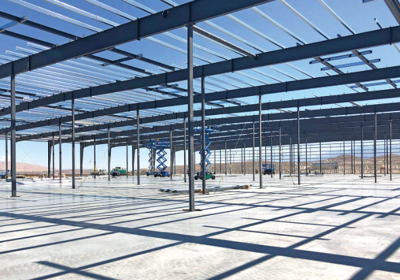

A custom metal building sounds wonderfully practical at first. Strong, flexible, efficient, and far less dramatic than trying to remodel an aging commercial space that already has plumbing in the wrong place and a roof with commitment issues.
But here is where many commercial developers get into trouble: custom does not mean casual. In fact, custom metal building projects demand more planning, not less. The decisions made before the first panel is ordered can affect permitting, energy performance, workflow, safety, expansion, maintenance, and how well the building actually serves the business inside it.
The mistake is assuming the building is just a shell. It is not. It is the structure that has to support daily operations, equipment, employees, customers, inventory, climate control, loading access, and whatever the business becomes five or ten years from now.
Developers Often Start With Square Footage Instead of Function
A 10,000-square-foot warehouse, showroom, workshop, or mixed-use commercial building may sound specific, but square footage is only the beginning. The real planning starts with what the building needs to do every day.
Will forklifts operate inside? Will inventory require climate control? Does the space need dock-height loading, ground-level doors, private offices, retail frontage, commercial restrooms, or storage zones? Will heavy equipment create vibration? Will the building need wider bays, higher clearances, or future room for expansion?
These are not small details. They influence the structural design, door placement, ceiling height, slab requirements, insulation, ventilation, electrical service, and long-term usability. A building designed as simple storage may become a very expensive regret if the tenant later needs manufacturing space, overhead equipment, or a better workflow.
The Site Can Be the Real Boss
A beautiful building plan means very little if the site refuses to cooperate. Soil conditions, drainage, slope, utility access, easements, setbacks, wind exposure, flood risk, and local zoning can all change the cost and complexity of the project.
This is why commercial developers should invest in site due diligence early. A geotechnical report, topographic survey, drainage review, and utility investigation can uncover the unglamorous issues that tend to become expensive later.
The International Building Code is widely used across the United States and addresses structural safety, means of egress, fire protection, materials, accessibility, and related building safeguards. Developers should also remember that local jurisdictions may add their own zoning, stormwater, design, fire, and land-use requirements. The International Code Council explains the role of the IBC, while local building departments determine what applies to a specific project. :contentReference[oaicite:0]{index=0}
Permitting Is Not the Place to “Figure It Out Later”
Few phrases are more dangerous in development than “we’ll deal with that during permitting.” Permitting is exactly where vague planning becomes expensive planning.
Height limits, setbacks, fire access, parking requirements, occupancy classification, accessibility rules, energy code compliance, stormwater plans, and exterior design standards can all affect the final building. A metal building that works beautifully on paper still has to satisfy the city, county, fire marshal, utility provider, and sometimes a planning board.
A pre-application meeting with the local building department can save developers from designing a building that later needs major revisions. This is especially important for custom metal building projects with mixed uses, public access, office buildouts, or specialized equipment.
Energy Efficiency Should Not Be Treated Like an Upgrade
Insulation, air sealing, reflective roofing, efficient lighting, and HVAC planning are not decorative extras. They affect operating costs every month the building is in use.
The U.S. Department of Energy notes that energy efficiency measures are often among the least expensive ways to reduce heating, cooling, and equipment-related energy expenses. For metal building systems, energy code compliance may involve roof assemblies, wall assemblies, fenestration, air barriers, and air leakage. DOE’s metal building energy compliance guidance is a useful reference for understanding how the building envelope affects performance. :contentReference[oaicite:1]{index=1}
This matters even more if the building will include offices, retail areas, food service, climate-sensitive inventory, or employee workspaces. A cheaper envelope can become an expensive monthly habit.
Roofing and Weather Protection Deserve More Attention
The roof is not just the thing on top. It is the part of the building that takes the daily beating from sun, rain, wind, debris, expansion, contraction, and time.
Developers should compare roof panel systems carefully. Exposed fastener systems may cost less upfront, but fasteners and seals can require more maintenance as they age. Standing seam systems generally offer stronger long-term weather protection because they reduce exposed penetrations.
For more practical maintenance context, FINE readers may also find How to Repair and Maintain a Residential Roof useful, even though commercial buildings require their own professional specifications and inspections.
Wind, Snow, and Load Requirements Are Not Guesswork
Custom metal buildings must be engineered for the realities of their location. Wind, snow, seismic activity, rain, flood exposure, and occupancy loads all influence design. This is not an area for hopeful thinking or bargain-bin engineering.
FEMA’s compilation of International Building Code provisions notes that minimum design loads include live, dead, snow, wind, rain, flood, ice, and earthquake loads. Those requirements exist because buildings are not designed for an average Tuesday; they are designed for the conditions they may face over a long service life. :contentReference[oaicite:2]{index=2}
The Interior Still Needs to Feel Thoughtful
A commercial metal building can be practical without feeling cold. That matters when part of the structure includes a client-facing office, design studio, tasting room, showroom, breakroom, or employee lounge.
This is where small finish choices can quietly elevate the experience. A polished kitchenette with warm natural materials, a proper coffee station, and beautiful functional pieces can soften an otherwise industrial space. Something as simple as a Woodenhouse wooden utensil set in a staff kitchen or hospitality area gives the room a more finished, human feel. For a developer creating a culinary showroom, model kitchen, or upscale office break area, Cutluxe knives could also make sense as a practical, design-forward detail.
The point is not to turn a commercial building into a boutique hotel. The point is to remember that people still have to work, meet, cook, drink coffee, sign contracts, and occasionally pretend the breakroom microwave is not a crime scene.
Safety Planning Must Be Built Into the Schedule
Steel erection is specialized work, and it carries serious safety considerations. OSHA identifies steel erection as a high-hazard construction activity and includes metal buildings under its steel erection standards. Those standards address hazards related to construction, alteration, and repair of structures where steel erection occurs. OSHA’s steel erection overview is an important authority source for developers and contractors reviewing construction risk. :contentReference[oaicite:3]{index=3}
Developers do not need to become steel erection experts, but they do need to hire people who are. Contractor licensing, insurance, bonding, site safety practices, project references, and communication habits should be reviewed before work begins, not after a problem appears.
The Budget Must Include More Than the Building Package
One of the most common mistakes in custom metal building projects is budgeting for the structure but underestimating everything around it.
Site preparation, grading, drainage, foundation work, utility connections, permitting, engineering, fire protection, lighting, HVAC, insulation, restrooms, interior finishes, paving, landscaping, signage, security, and contingency reserves can all add significant cost.
A realistic budget should include a contingency, especially when the project involves unknown soil conditions, utility upgrades, weather exposure, or a tight permitting timeline. The least glamorous line item in the budget may be the one that saves the project from becoming a financial wrestling match.
Future Flexibility Is Cheaper Before Construction
Commercial buildings rarely live one life. A warehouse becomes a showroom. A workshop adds offices. A storage building needs climate control. A small operation grows faster than expected. Planning for that possibility early is far less expensive than retrofitting later.
Developers should consider future electrical capacity, plumbing routes, expansion walls, door locations, bay spacing, office buildout options, and structural tie-in points. Even modest future-proofing can make a building more adaptable and more valuable.
The best custom metal building projects are not just designed for the first tenant or the first year. They are designed to remain useful as the business changes.
The Best Metal Buildings Are Planned Before They Are Priced
A custom metal building can be a smart commercial investment. It can offer durability, flexibility, efficiency, and a faster path to usable space than many traditional construction options. But only if the planning is disciplined.
Developers should understand the site, confirm local code requirements, define the building’s daily function, design for energy performance, budget for the full project, hire qualified contractors, and leave room for future change.
Because the real goal is not just to put up a building. It is to create a commercial space that works beautifully, ages intelligently, and does not start asking for expensive favors the moment the doors open.
(0) comments
We welcome your comments
Log In
Post a comment as Guest
Keep it Clean. Please avoid obscene, vulgar, lewd, racist or sexually-oriented language.
PLEASE TURN OFF YOUR CAPS LOCK.
Don't Threaten. Threats of harming another person will not be tolerated.
Be Truthful. Don't knowingly lie about anyone or anything.
Be Nice. No racism, sexism or any sort of -ism that is degrading to another person.
Be Proactive. Use the 'Report' link on each comment to let us know of abusive posts.
Share with Us. We'd love to hear eyewitness accounts, the history behind an article.