
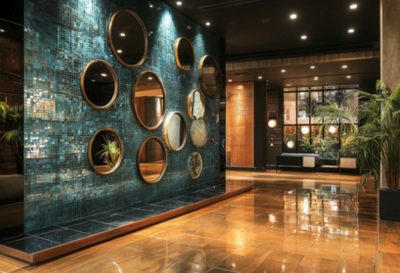

Designing homes that feel bright, open, and comfortable is a growing priority for architects and homeowners alike. As urban density increases and living spaces become more compact, maximizing natural light and effective ventilation is crucial for both well-being and energy efficiency. How do today’s design strategies and material choices elevate interiors while addressing these evolving needs?
The Role of Entryways and Glazing in Modern Residences
The entryways and glazing solutions chosen for a home are far more than architectural accents; they are pivotal in shaping indoor environments. Selecting products from knowledgeable window and door suppliers can impact everything from the amount of daylight that enters a space to how air circulates within it. High-performance doors and windows not only frame views and provide security but also form the backbone of a residence’s daylighting and ventilation plan.
Glazing technologies, including double or triple-pane options, low-emissivity coatings, and insulated frames, allow designers to balance transparency with energy efficiency. Meanwhile, the careful placement of entryways ensures that natural light reaches deeper into interiors and that fresh air flows freely, reducing dependence on artificial lighting and climate control systems.
Orientation and Placement: Fundamentals for Light and Air
Thoughtful orientation of a home on its site is one of the most effective strategies for harnessing natural light and ventilation. South-facing glazing in northern hemisphere locations, for instance, can capture abundant sunlight throughout the day, while overhangs and shades mitigate overheating in warmer months.
Strategically placing operable windows on opposite sides of rooms supports cross-ventilation, facilitating the movement of fresh air and cooling spaces naturally. Entryways like large glass doors or sidelights can further expand daylight access and air exchange, creating a seamless transition between indoors and outdoors.
Door Styles That Support Light and Ventilation
Modern residential design has seen a resurgence of glazed doors, such as French doors, for their ability to foster indoor-outdoor connections and distribute natural light. Collaborating with skilled french door makers enables homeowners to select products that match both aesthetic and performance goals.
French doors are particularly valued for their classic appearance and generous glass surfaces. When installed between living spaces or leading to patios and gardens, they allow light to flow freely and support passive ventilation. Advanced designs now feature thermally broken frames and multi-point locking systems, blending beauty, safety, and efficiency.
Checklist for Maximizing Light and Ventilation
When planning to enhance natural light and airflow, consider the following:
Analyze site orientation and prevailing winds
Choose high-performance glazing with suitable thermal properties
Opt for large, strategically placed windows and doors
Select door and window styles that allow for easy operability
Incorporate shading devices to prevent overheating
Use open floor plans to facilitate light and air movement
Consider ventilation stacks or clerestory windows for deeper rooms
A holistic approach ensures that no single element works in isolation, but rather as part of a cohesive, comfortable environment.
Innovative Door Solutions: Flexibility and Function
Beyond traditional styles, modern door systems like tilt and turn doors offer remarkable versatility. These doors can be tilted inward at the top for gentle ventilation or swung wide open for maximum airflow and access. This dual functionality makes them ideal for spaces that require adaptable solutions, such as compact balconies or rooms facing variable weather conditions.
Tilt and turn mechanisms combine robust sealing with easy operation, enhancing both energy performance and occupant comfort. When paired with advanced glazing, they also contribute to noise reduction and improved security—valuable attributes in urban residential settings.
Integration with Other Architectural Features
Doors and windows do not function in isolation; their effectiveness is amplified when integrated with complementary architectural features. For example, skylights and light wells introduce daylight from above, while transom windows above entryways can brighten central hallways or stairwells.
Additionally, the use of interior glass partitions or open shelving can help distribute light from perimeter glazing deeper into the home. Mechanical ventilation systems, such as heat recovery ventilators, can supplement natural strategies, especially in airtight modern builds.
Maximizing natural light and ventilation in modern residences is both an art and a science, requiring careful attention to orientation, material selection, and the integration of advanced entryway and glazing solutions. By working closely with experienced professionals and considering flexible options like tilt and turn mechanisms, homeowners can create spaces that are not only beautiful but also comfortable and energy-efficient. As design priorities continue to shift toward sustainability and occupant well-being, these strategies will remain central to innovative residential architecture.

(0) comments
We welcome your comments
Log In
Post a comment as Guest
Keep it Clean. Please avoid obscene, vulgar, lewd, racist or sexually-oriented language.
PLEASE TURN OFF YOUR CAPS LOCK.
Don't Threaten. Threats of harming another person will not be tolerated.
Be Truthful. Don't knowingly lie about anyone or anything.
Be Nice. No racism, sexism or any sort of -ism that is degrading to another person.
Be Proactive. Use the 'Report' link on each comment to let us know of abusive posts.
Share with Us. We'd love to hear eyewitness accounts, the history behind an article.