
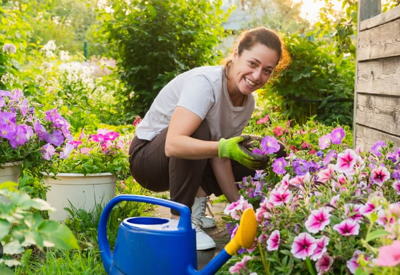

Gardening is a fulfilling activity that lets you create beauty and peace in your backyard. Whether you're an experienced gardener or just starting, there's always something new to discover. Choosing the right plants and understanding your soil are key to growing vibrant greenery and flowers. Gardening also shows your personality and creativity.
Working with soil can lead to exciting discoveries, both with your plant choices and gardening skills. Each plant has its own story, and caring for them brings great joy. Let's look at how to build a garden with interesting plants!
Choosing the Right Plants
When choosing plants, consider your environment. Choose plants that do well in your local climate and soil type. Perennials, annuals, herbs, and unique varieties can all make your garden lively. Don't be afraid to try new things. There are wide varieties that surprise you with their colours, shapes, and scents.
Visit local nurseries or botanical gardens for ideas. These places can help you find unusual plants and staff who can give advice. Instead of just daisies and roses, consider native plants or exotic ones that fit your hardiness zone. Research can lead you to many exciting options.
Starting Your Garden
Seeds are essential for growing interesting plants. If you want specific flowers or fruits, you should buy feminized seeds online. This will ensure you get reliable plants.
Starting from seeds helps you connect more with your garden. From germinating seeds to caring for young plants, watching them grow gives a sense of achievement. Provide warmth, moisture, and light, and see how tiny seeds become thriving plants.
Soil Quality
Healthy soil produces healthy plants. Knowing your soil's makeup and pH levels is important. Using good-quality organic soil or adding compost can greatly improve plant growth. Soil changes can help with drainage, moisture retention, and nutrient levels, all necessary for strong plants. If you want to make your own compost, vermicomposting offers another way to improve the quality of your garden soil. Red wigglers can break down food scraps and other organic material into nutrient-rich worm castings, which can then be added to garden beds as a soil amendment. This approach not only adds organic matter to the soil but also gives household food waste a useful purpose.
Testing your soil shows you which nutrients are missing. This is not a chore but a chance to meet your garden's needs. After testing, add the right nutrients to improve the soil and help your plants thrive.
Watering Techniques
Watering is a vital part of gardening that many people overlook. Common mistakes include giving too much or too little water. Learn about the specific water needs of your plants. Some like consistent moisture, while others do better in drier soil.
Using drip irrigation is a smart way to deliver water directly to the roots. This method saves water and reduces evaporation. Try different watering schedules and watch how your plants react. You will find a pattern that works best for your garden
Sunlight and Placement
Sunlight is crucial for plant growth. Most flowering plants need at least six hours of direct sunlight each day. Pay attention to the sunlight patterns in your yard and plant accordingly.
Some plants can grow in partial shade, while others need more light to bloom beautifully. Watch your garden throughout the day to find the sunniest spots. Place your plants where they will get enough sunlight. Proper placement helps the plants grow well and makes your garden look nicer.
Pest Management
To keep your garden healthy, manage pests carefully. Instead of using harmful chemicals, try natural pest control methods. For example, introduce helpful insects like ladybugs to control aphids. Companion planting can also keep unwanted pests away and attract pollinators.
Check your plants often to spot problems early. This makes it easier to fix issues before they cause serious damage. Aim to create a balanced environment in your garden that promotes plant health and keeps pests at bay.
Diversity and Aesthetics
A colorful and interesting garden requires a variety of plants. Mixing different colours, sizes, and shapes adds depth to your garden. Include annuals with perennials or unique plants that catch the eye.
Design your garden with layers: place tall plants at the back, medium plants in the middle, and shorter plants at the front. This creates a pleasant view and supports a range of insects and wildlife. Adding features like garden ornaments, winding paths, or seating can make your garden a welcoming space.
Gardening is fulfilling and offers many chances for creativity and learning. Nurturing your garden involves planting seeds, caring for sprouts, and enjoying blooms. Remember, a little patience and care go a long way in growing wonderful plants.


(0) comments
We welcome your comments
Log In
Post a comment as Guest
Keep it Clean. Please avoid obscene, vulgar, lewd, racist or sexually-oriented language.
PLEASE TURN OFF YOUR CAPS LOCK.
Don't Threaten. Threats of harming another person will not be tolerated.
Be Truthful. Don't knowingly lie about anyone or anything.
Be Nice. No racism, sexism or any sort of -ism that is degrading to another person.
Be Proactive. Use the 'Report' link on each comment to let us know of abusive posts.
Share with Us. We'd love to hear eyewitness accounts, the history behind an article.