
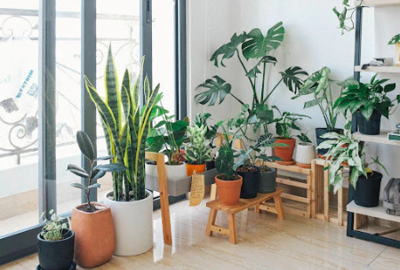

Bringing nature indoors offers remarkable benefits—from purifying air and reducing stress to creating stunning visual appeal in spaces that might otherwise feel sterile or forgotten. Many homeowners assume their dim corners, north-facing rooms, or windowless offices can't support greenery, but this simply isn't true. A low light indoor plant can transform a forgotten hallway into a lush retreat, proving that even the most challenging indoor environments can support flourishing vegetation. The key lies in understanding your space's unique conditions and choosing plants that naturally adapt to lower light levels, then applying proven care strategies that work with—rather than against—these environmental constraints.
Understanding Indoor Light Conditions
Low light in indoor gardening describes areas receiving indirect or filtered illumination—typically 4-12 feet from windows, behind sheer curtains, or in interior rooms relying solely on artificial lighting. This distinction matters because while all plants need some light for photosynthesis, those adapted to dimmer conditions have evolved efficient mechanisms to capture and utilize whatever energy is available.
In low-light environments, plants experience slower metabolic processes, which directly impacts their water and nutrient needs. Grasping this fundamental principle prevents the most common mistake: treating shade-loving plants with the same intensity as their sun-loving counterparts.
Key Takeaway: Low light doesn't mean no light. Plants still need illumination to survive, and assessing your space with a light meter gives you precision in plant selection and placement decisions.
Many successful low-light houseplants originate from forest understories in tropical regions, where they naturally thrive beneath dense canopies. This evolutionary heritage explains their remarkable tolerance for indoor conditions that would stress other species.
Essential Care Principles for Dimly Lit Spaces
Watering Strategies to Avoid Common Pitfalls
The golden rule for low-light plant care centers on moisture management. Check soil moisture by inserting your finger into the top inch—water only when this layer feels dry. Slower evaporation rates in dim conditions mean plants need less frequent watering than their bright-light counterparts.
When you do water, do it thoroughly until water drains from the bottom, then remove excess to prevent root rot. During winter months, reduce watering frequency even further as plant growth naturally slows.
Here's a real-world scenario: A plant owner notices yellowing leaves and assumes their plant needs more water, leading to overwatering and root damage. Recovery involves repotting in well-draining soil, trimming affected roots, and establishing a proper watering schedule based on actual soil conditions rather than calendar dates.
Optimizing Humidity and Temperature
Plants from humid forest floors benefit from increased moisture in the air. Create favorable conditions using misting bottles, pebble trays filled with water, or small humidifiers near plant groupings.
Keep temperatures consistent and away from drafts, heating vents, or air conditioning units. Most houseplants thrive in typical indoor temperature ranges, but sudden fluctuations can cause stress. A hygrometer provides accurate humidity readings, enabling precise environmental adjustments.
Fertilization and Maintenance Routines
Feed low-light plants sparingly—use half-strength fertilizer only during spring and summer growing seasons. Excessive nutrients in slow-growing conditions can actually harm plants by creating salt buildup in soil.
Regular maintenance ensures optimal health:
- Wipe leaves weekly to remove dust that blocks light absorption
- Rotate plants bi-weekly for even growth patterns
- Fertilize 1-2 times per growing season with diluted, balanced fertilizer
Troubleshooting and Long-Term Success
Overwatering remains the primary cause of houseplant failure in low-light conditions. Watch for warning signs like wilting despite moist soil, musty odors, or soft, mushy stems. Address issues immediately by improving drainage and adjusting watering frequency.
Common pests in indoor environments include spider mites and fungus gnats. Isolate affected plants, wipe leaves with damp cloths, and ensure proper air circulation. Leggy growth often signals insufficient light—try rotating plants or briefly supplementing with grow lights.
One successful recovery involved a neglected plant showing severe decline. Through gradual care adjustments—improved drainage, reduced watering, and strategic placement near a window—the plant recovered completely within months, demonstrating the resilience of properly matched species.
Enhancing Your Indoor Oasis
Group plants together to create beneficial microclimates with shared humidity. Position reflective surfaces like mirrors or light-colored walls nearby to maximize available light distribution.
Light Condition | Watering Frequency | Fertilizer Use
|
|---|---|---|
Low Light | Every 2-3 weeks | Minimal, seasonal |
Indirect Bright | Weekly | Balanced, monthly |
Experiment with unexpected locations—bathrooms often provide ideal humidity, while hallways can showcase trailing varieties beautifully.
Sustainable Indoor Greenery
Success with indoor plants in challenging environments comes down to matching species to conditions, observing individual plant needs, and adjusting care practices patiently. The rewards extend far beyond aesthetics, contributing to improved well-being and air quality throughout your living space.
Start today by assessing one dim area in your home and applying a single tip from this guide—whether it's checking soil moisture properly or grouping plants for better humidity. Small, consistent actions create thriving indoor gardens that enhance your daily environment for years to come.


(0) comments
We welcome your comments
Log In
Post a comment as Guest
Keep it Clean. Please avoid obscene, vulgar, lewd, racist or sexually-oriented language.
PLEASE TURN OFF YOUR CAPS LOCK.
Don't Threaten. Threats of harming another person will not be tolerated.
Be Truthful. Don't knowingly lie about anyone or anything.
Be Nice. No racism, sexism or any sort of -ism that is degrading to another person.
Be Proactive. Use the 'Report' link on each comment to let us know of abusive posts.
Share with Us. We'd love to hear eyewitness accounts, the history behind an article.