
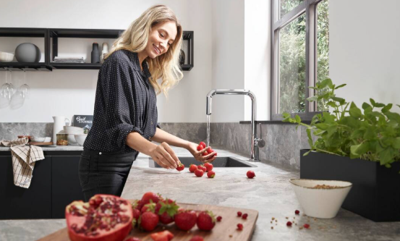

Keeping your kitchen clean is about more than appearances—it directly impacts the freshness of your produce, the health of your family, and the efficiency of your appliances. By adopting a few simple daily habits, you can maintain a hygienic kitchen where fresh produce thrives and meals stay safe.
Stay Informed About Food Safety
Keeping your kitchen safe isn’t just about cleaning—it’s also about staying informed. Following updates from places like the Taylor Farms recall information page helps ensure the produce you use is safe and uncontaminated. Checking recall lists and acting promptly can prevent illness and avoid wasted groceries.
Clean as You Go
Cleaning up while you cook is one of the most effective habits for maintaining a tidy kitchen. It may be tempting to leave dishes for later, but doing so can lead to hardened food stains and make cleanup more difficult. Piles of dirty dishes can also attract pests. Make it a rule to wash, rinse, or load dishes into the dishwasher immediately after meal prep or eating. Your future self—and your kitchen—will thank you.
Disinfect Surfaces Daily
Kitchen surfaces can harbor bacteria if not properly cleaned. Wipe down countertops, tables, and other preparation areas with a disinfectant or sanitizer every day. Don’t forget chopping boards, utensils, and any tools that come in direct contact with food. Daily disinfection helps prevent cross-contamination and keeps your cooking environment safe.
Store Fresh Produce Properly
How you store fruits, vegetables, dairy, and meats makes a big difference in their freshness and safety. Keep your refrigerator at or below 40°F to slow bacterial growth. Use separate crisper drawers for fruits and vegetables to avoid cross-contamination. For delicate produce like berries or leafy greens, consider storing them in airtight containers to maintain freshness longer.
Take Out the Trash Regularly
Leftover food and waste can quickly attract pests and produce unpleasant odors. Empty your kitchen trash daily, and consider composting vegetable peels, eggshells, and other organic waste for gardening purposes. Recycling cans, bottles, and paper helps you contribute to a greener, cleaner household.
Sweep and Mop the Floor
A clean floor is an often-overlooked part of kitchen hygiene. Crumbs, spills, and sticky residue can attract pests and harbor bacteria. Sweep your floor daily to remove debris and mop regularly to eliminate dirt and bacteria. A sparkling floor not only looks good but also keeps your kitchen healthier.
Keep Appliances Clean
Your kitchen appliances—like the microwave, toaster oven, refrigerator, and blender—can accumulate food debris and germs over time. Regular cleaning keeps them functioning optimally, extends their lifespan, and reduces the risk of contaminating your food. Wiping down surfaces, washing removable parts, and checking for hidden crumbs or spills go a long way toward maintaining overall hygiene.
Maintaining a hygienic kitchen and keeping produce fresh is all about consistent daily habits. Cleaning as you go, disinfecting surfaces, storing produce properly, taking out trash, sweeping and mopping floors, and keeping appliances clean are all key steps. Pair these practices with staying informed about food safety, and you’ll enjoy a kitchen that’s safe, fresh, and inviting every day.
By making these habits part of your routine, you’ll protect your family, reduce food waste, and create a kitchen environment where meals—and ingredients—thrive.
(0) comments
We welcome your comments
Log In
Post a comment as Guest
Keep it Clean. Please avoid obscene, vulgar, lewd, racist or sexually-oriented language.
PLEASE TURN OFF YOUR CAPS LOCK.
Don't Threaten. Threats of harming another person will not be tolerated.
Be Truthful. Don't knowingly lie about anyone or anything.
Be Nice. No racism, sexism or any sort of -ism that is degrading to another person.
Be Proactive. Use the 'Report' link on each comment to let us know of abusive posts.
Share with Us. We'd love to hear eyewitness accounts, the history behind an article.