
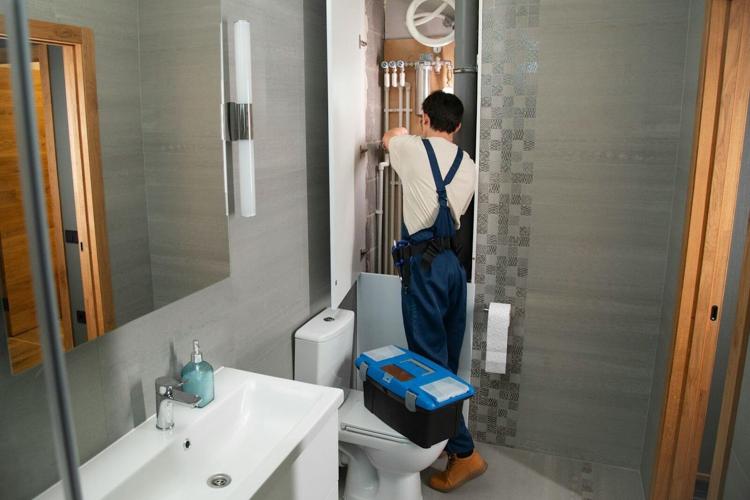

Homeowners rarely pay attention to their plumbing system except when there is a problem. This is because pipes and drains are out of sight and out of mind. However, homeowners can get to know some of the common plumbing problems they can address before they get out of hand. This can help homeowners avoid costly plumbing repairs.
Subtle Signs of Pipe and Fixture Wear
All pipes and plumbing fixtures have a lifespan and will eventually wear out. The seals and gaskets used to join pipes together will eventually dry out and crack, and mineral deposits will build up inside the pipes. However, the first sign of this wear and tear may appear when the performance of the plumbing fixture changes.
For instance, if the water drain takes a longer time to drain compared to usual, there may be a problem with the pipes. Similarly, if there is a reduction in water pressure while taking a shower, there may be a problem with the pipes. Even if there are odors emanating from the drain, there could be a problem with the pipes.
However, if homeowners are keen enough, they can address some of these problems early enough to prevent the pipes and other plumbing fixtures from getting out of hand. This is because when water does not drain easily through the pipes, there will eventually be pressure on the pipes, which may eventually cause leaks behind the cabinets and walls.
Warning Signs That Require Professional Attention
While there are many minor issues that can be easily recognized, there are some that indicate underlying systemic problems. Backing up drains, sewer smells, and gurgling sounds emanating from the pipes could indicate underlying problems with the main lines.
At this point, professional help can become a valuable resource. Providers like Koala Plumbing can help to understand the underlying problems and whether they are related to a localized fixture, a branch line, or a main sewer line connection. This early intervention can help to prevent further disruptions and potential damage to the underlying structures.
Spotting Leaks Before They Spread
Leaks do not always manifest with dramatic displays of water flooding out. In fact, most often, the first signs of leaks can be subtle. For instance, if there is a faint discoloration on the drywall, or if there is peeling paint near the baseboards, or if there is a slightly warped floor on the cabinets under the sink, these could be signs of water leaks.
Another sign that water is leaking somewhere in the plumbing is if there is running water when no water is actually being used. If the water meter is constantly in motion, this is another sign that there is water leaking somewhere in the plumbing.
Catching leaks during this stage is very important, as continuous moisture can weaken structural foundations and create environments where molds can thrive. For example, if there is a small drip somewhere behind the walls, this can eventually lead to costly repairs.
Seasonal Changes and Their Effect on Plumbing
Weather and ground conditions can greatly affect the plumbing system. For example, if one is living in an area where the temperature often drops, this can cause pipes to contract. If these pipes are not well insulated, this can cause cracks and ruptures, especially if there is freezing.
During the rainy season, if there is too much rain, this can cause the ground to shift and put pressure on the sewer pipes. If there is poor drainage around the house, this can put pressure on the sewer pipes.
Having an awareness of these stress points allows the homeowner to take preventive measures. For example, insulating pipes during the pre-winter season and clearing out the gutters and drains during the pre-rainy season can prevent unexpected failures.
Changes in Water Quality

Water that suddenly develops a rusty color, is cloudy, or possesses an unusual odor is not something that should be ignored. A change in color may be an indication of corrosion in old metal pipes. Cloudiness may be an indication of internal deterioration or supply issues.
Water with no color and an absence of an unusual odor is what is expected. Changes in color and taste in various fixtures may be an indication of problems with the entire system rather than with the faucet. Knowing what these signs are will help prevent damage to appliances such as washing machines and water heaters.
If there is an unusual change in the quality of the water, an evaluation will be made to determine if the problem is with the supply lines or with the household plumbing.
Fixture Malfunctions and Seal Deterioration
Dripping faucets and running toilets are common problems with household fixtures. Most of these problems are brought on by deteriorating internal parts. These parts are designed to provide watertight seals. However, these parts will inevitably deteriorate with time.
Although these parts are not too costly to replace, ignoring them will not only cause waste but will also increase utility bills. A running faucet may waste hundreds of gallons of water if not addressed immediately. Regular testing of the toilet for silent leaks will prevent more problems with the entire system.
Hydronic Systems and Water Heater Concerns
For homes with hydronic systems or conventional water heaters, there are additional concerns to consider. The buildup of sediment within water heaters can cause inefficiencies and strange noises during the heating cycles. Small leaks around the valves and pipes can indicate underlying pressure and temperature stress.
Reduced availability of hot water and temperature fluctuations can indicate underlying problems with the water heater. This can help to prevent premature failure and ensure a longer lifespan for the equipment.
The Value of Routine Maintenance
Home maintenance organizations always stress the value of early detection and prevention. The National Association of Home Builders indicates that identifying slow drains, minor leaks, and changes in odors can greatly reduce the potential for costly repairs.
The plumbing within a house does not suddenly fail. It fails over a period of time. Rarely does a catastrophic failure happen without some underlying indication. By recognizing the underlying performance characteristics and inspecting the underlying structures, homeowners can help to prevent costly and premature failure.
Being aware of plumbing stress at an early stage enables homeowners to take control of their homes. By dealing with small problems before they turn into major ones, homeowners not only save money but also achieve peace of mind in managing their properties.
(0) comments
We welcome your comments
Log In
Post a comment as Guest
Keep it Clean. Please avoid obscene, vulgar, lewd, racist or sexually-oriented language.
PLEASE TURN OFF YOUR CAPS LOCK.
Don't Threaten. Threats of harming another person will not be tolerated.
Be Truthful. Don't knowingly lie about anyone or anything.
Be Nice. No racism, sexism or any sort of -ism that is degrading to another person.
Be Proactive. Use the 'Report' link on each comment to let us know of abusive posts.
Share with Us. We'd love to hear eyewitness accounts, the history behind an article.