
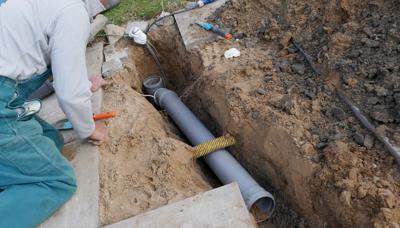

Most people just assume sewer line responsibility follows the visible pipe, but in Tennessee, it’s not always that straightforward. The law actually ties a lot of the upkeep to title, easements, and where your property lines fall. If the sewer line is past your meter or sits inside your lot lines, odds are you’re on the hook for repairs and maintenance—unless there’s a recorded easement or some title document that says otherwise. That detail can decide if you, your neighbor, or the utility company ends up footing the bill for a break or blockage.
Let’s get into how Tennessee sorts out maintenance duties, when utilities can actually come onto your property, and how title docs and easements impact who’s liable. That way, you can make some real-world decisions about repairs, negotiation, or maybe even legal action. If you’re in the middle of a closing or sale and want to be sure about who’s responsible, a skilled local title company can dig through the documents for you and clarify what you’re getting into.
Sewer Line Disputes and Legal Responsibilities in Tennessee
This section covers who usually owns and has to fix sewer lines, how recorded rights come into play for access and repairs, what happens with property line disagreements, and how neighbors split things up when a pipe serves more than one property.
Determining Ownership and Maintenance of Sewer Lines
Ownership mostly depends on where the pipe runs and what’s in the official records. In Tennessee, it’s pretty common for homeowners to own the lateral running from their house to wherever it meets the city’s system. The city or utility usually takes over at the public main or a clearly marked connection at the property line—though local rules or utility maps are your best bet for confirming where that split is.
Property deeds, recorded plats, and county utility records are your main sources for this. If those don’t clear things up, sometimes you need a licensed surveyor or a plumber to trace the line and figure out where it actually connects. When nobody can agree, courts look at who’s been paying for repairs or doing maintenance in the past if the title isn’t clear.
Role of Easements and Utility Easements
If there’s a recorded easement, that means someone—maybe a utility or a neighbor—has the right to put in and maintain lines on your land. Utility easements for sewer lines let them come onto your property for installation, inspections, and repairs, and it’s not considered trespassing.
The actual language in the easement decides who pays for what, how much notice is needed before entry, and what needs to be fixed after work’s done. If the easement doesn’t spell things out, Tennessee law and the deed’s wording fill in the blanks: usually, whoever has the right to use the line has to maintain it, unless the deed says the property owner is responsible. Homeowners should always check county records and plat notes to see if there are any existing rights that could shift repair costs.
Encroachment and Boundary Disagreement Issues
Encroachment issues pop up when a pipe crosses into a neighbor’s property without formal permission. If a pipe goes beyond the area covered by a recorded easement, the property owner can ask for it to be removed, seek damages, or try to negotiate a retroactive recorded right to avoid tearing things up.
Resolving these things can mean mediation, recording a corrective easement, or, if things get ugly, going to court. Tennessee courts look at title documents, whether there was prior permission, and if the encroachment is actually causing a big problem. Surveys, repair records, and any old permits or city approvals usually matter a lot in these fights.
Shared Sewer Lines and Neighbor Disputes
If a line serves more than one property, people usually have some kind of co-ownership or cost-sharing agreement for repairs. Neighbors might split the bill evenly, by how much they use the line, or follow whatever their private agreement or HOA rules say.
If there’s no agreement, Tennessee courts sometimes split costs based on who benefits and who’s at fault. If a neighbor damages the line by digging carelessly or misusing it, they can get stuck with the repair bill and maybe more. It’s smart to keep records of all communications, get written agreements on splitting costs, and ask licensed contractors for estimates before starting work—just to keep things civil and protect yourself if things go sideways.
Title, Easements, and Property Boundary Implications
This part looks at how official rights, informal use, and boundary disputes decide who gets access, who has to repair, and who gets the bill for sewer pipes. The main focus is on the documents and facts that usually carry the most weight if things go legal.
Types of Easements Relevant to Sewer Lines
Sewer rights usually show up as recorded utility easements, drainage rights, or party-line agreements in deeds and plats. A utility easement usually gives the city or utility company the right to put in and maintain main lines, while a drainage right might let one owner run a lateral across a neighbor’s property.
If you’re an owner, take a close look at your deed, subdivision plat, and county records to see which property is “servient” (the one being crossed) and which is “dominant” (the one benefiting). Check for details about who’s supposed to maintain things, when access is allowed, and who has to fix the yard after work.
Here’s a quick checklist:
Name of the recorded document and when it was filed
Exact legal description of where the easement is
Any limits on use or rules about giving notice before entry
These details often decide if you’re paying for a repair, or if it’s the utility’s or your neighbor’s problem.
Express Easements and Implied Easements
An express easement is when there’s an actual document—signed and recorded—that spells out who gets to use a strip of land for sewer purposes. It should say who has the right, what they can do (access, repair, replace), and how costs are split up.
An implied easement is trickier. It comes up when there isn’t a written agreement, but the way things have always been done makes it obvious—like if one property has always needed to use a certain pipe, and it’s kind of essential. Courts look at how the line’s been used, who’s kept it up, and whether it was meant to benefit both places.
If you’re dealing with this, it’s a good idea to get a certified copy of any recorded docs, map out where the pipe runs versus what’s in the deed, and keep proof of who’s paid for repairs. All that stuff can help your case if there’s a disagreement about who’s responsible.
Prescriptive Easement and Adverse Possession Claims
Sometimes, you can actually gain a legal right to use a neighbor’s land for something like a sewer lateral—if your use has been open, obvious, continuous, and, well, a bit “hostile” (in the legal sense) for long enough under Tennessee law. The catch? You’ve got to show you used it without anyone’s permission, and that you kept up with maintenance for all those years.
Adverse possession is a little different—it’s about trying to claim ownership of land itself. The requirements are pretty similar, but you’ll often need to show you paid property taxes and that your use was exclusive, too. Honestly, these cases get tricky, especially if there’s already a recorded easement or if the actual owner has been actively maintaining things.
If you’re a homeowner in this situation, it’s smart to keep records—think photos, maintenance logs, old emails or texts with neighbors, that sort of thing. When things get legal, people will really dig into dates, witness statements, and whether any written permissions or easement documents mess with the “hostility” part of the claim.
(0) comments
We welcome your comments
Log In
Post a comment as Guest
Keep it Clean. Please avoid obscene, vulgar, lewd, racist or sexually-oriented language.
PLEASE TURN OFF YOUR CAPS LOCK.
Don't Threaten. Threats of harming another person will not be tolerated.
Be Truthful. Don't knowingly lie about anyone or anything.
Be Nice. No racism, sexism or any sort of -ism that is degrading to another person.
Be Proactive. Use the 'Report' link on each comment to let us know of abusive posts.
Share with Us. We'd love to hear eyewitness accounts, the history behind an article.