

In recent years, the idea of wellness has shifted inward. No longer limited to spas, retreats, or fitness studios, wellbeing is now being thoughtfully woven into the home itself. As we move into 2026, homes are increasingly designed not just to look beautiful, but to actively support rest, comfort, and emotional balance.
Wellness focused interiors are less about trends and more about how spaces make us feel. From restorative bathrooms and cocoon-like bedrooms to calming lighting and tactile materials, the modern home is becoming a personal sanctuary. These are the design approaches shaping healthier, more nurturing homes in the year ahead.
Home Spas That Encourage Daily Rituals
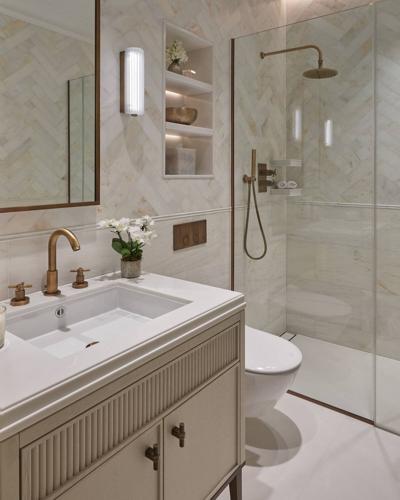
Bathrooms are evolving into spaces of restoration rather than purely function. In 2026, the home spa is defined by simplicity, warmth, and sensory comfort.
Natural materials such as stone, wood, and softly textured tiles create a grounding atmosphere. Walk in showers with rainfall heads, freestanding tubs, and steam features invite slow, intentional routines rather than rushed moments. Even smaller bathrooms are embracing spa inspired details through warm finishes, plush towels, and subtle scent diffusers.
Lighting plays a crucial role here. Layered lighting with dimmable options allows the space to transition from energizing mornings to calming evenings. The goal is not luxury for its own sake, but daily moments of calm that support mental and physical well-being.
Bedrooms Designed for Deep Rest

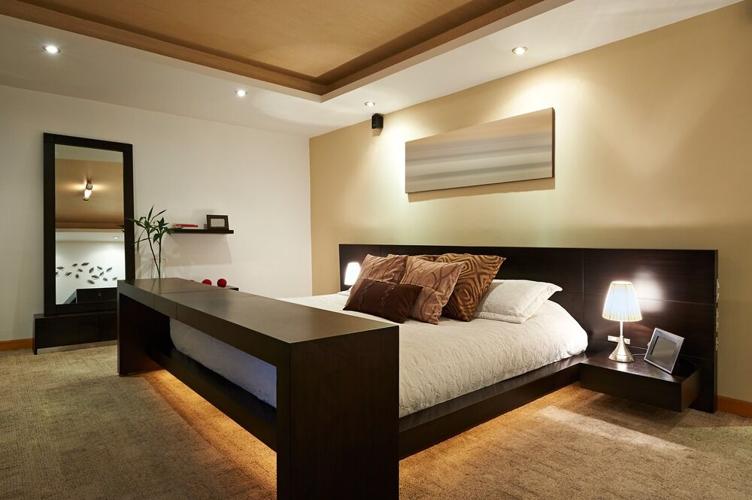
The bedroom is increasingly viewed as the most important wellness space in the home. In 2026, bedroom design prioritizes sleep quality above all else.
Soft color palettes inspired by nature help quiet the mind, while upholstered headboards, layered bedding, and blackout window treatments create a sense of comfort and enclosure. Smart lighting gently fades in the morning and warms in the evening, supporting the body’s natural sleep rhythm.
Technology, when present, is discreet. Hidden charging stations, minimal screens, and thoughtful furniture placement reduce visual noise. The result is a bedroom that feels like a retreat, encouraging deeper rest and more restorative sleep.
Lighting That Supports Mood and Energy
Lighting has emerged as one of the most powerful wellness tools in the home. Rather than relying on a single overhead fixture, homes in 2026 embrace layered lighting that adapts throughout the day.
Ambient lighting provides softness, task lighting supports function, and accent lighting adds warmth and depth. Warmer tones dominate evening spaces, while cooler, brighter light is reserved for areas where focus is needed.
Natural light remains a priority, with sheer window treatments and reflective surfaces used to enhance brightness without glare. Thoughtful lighting design helps regulate mood, reduce eye strain, and create spaces that feel balanced rather than overstimulating.
Comfort Focused Living Spaces

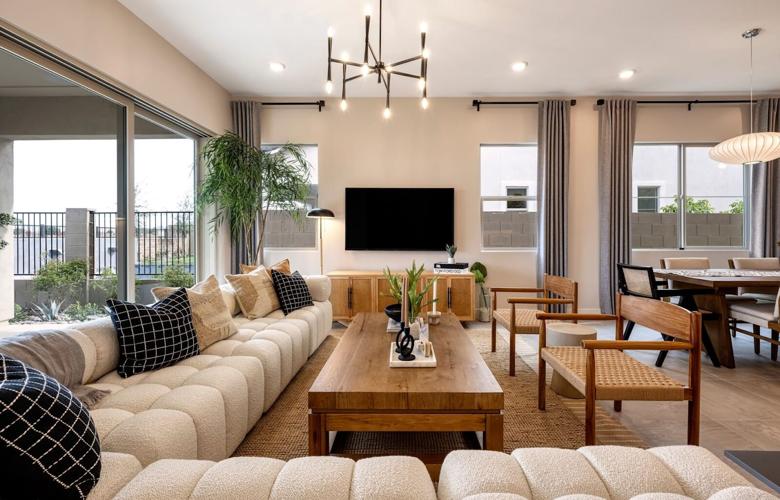
Living rooms are shifting away from formal layouts toward comfort driven design. Plush seating, generous cushions, and flexible furniture arrangements encourage relaxation rather than rigidity.
Textiles play a central role. Soft throws, layered rugs, and tactile fabrics invite touch and warmth. Neutral palettes are complemented by earthy tones and organic textures, creating spaces that feel both grounded and welcoming.
Furniture is selected not just for appearance, but for how it supports the body. Deeper seats, ergonomic shapes, and adaptable layouts allow living spaces to accommodate everything from quiet evenings to social gatherings without sacrificing comfort.
Quiet Zones for Mind and Body
As homes take on more roles, dedicated quiet zones are becoming increasingly valuable. These spaces may be small, but their impact is significant.
A window seat, reading nook, or meditation corner offers a place to pause during the day. Soft lighting, comfortable seating, and minimal distractions define these areas. They are not designed for productivity, but for reflection, breathing, and mental reset.
In 2026, the presence of even one calm corner can dramatically improve how a home supports emotional well-being.
Materials That Feel as Good as They Look

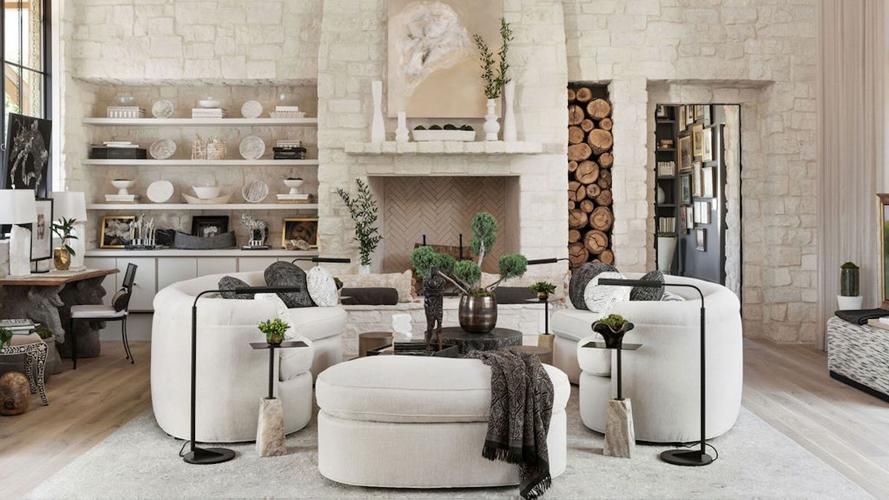
Wellness-driven design places strong emphasis on materials. Natural, low sheen finishes are favored over high gloss surfaces, reducing visual harshness and sensory overload.
Wood, linen, wool, clay, and stone bring warmth and authenticity into interiors. These materials age gracefully and connect the home to nature, even in urban settings. Their tactile quality enhances comfort, making spaces feel lived in rather than styled.
Sustainability is also part of the conversation. Choosing durable, responsibly sourced materials supports both personal well-being and environmental responsibility.
Designing a Home That Nurtures You
Wellness at home in 2026 is not about creating picture-perfect spaces. It is about designing environments that support how people actually live, rest, and recharge.
By focusing on calming bathrooms, sleep supportive bedrooms, thoughtful lighting, and comfort-led design, homeowners can create spaces that gently improve daily life. These homes do not demand attention. They quietly restore it.
True wellness begins where we spend the most time. And in 2026, the most meaningful luxury is a home that makes you feel genuinely at ease.

(0) comments
We welcome your comments
Log In
Post a comment as Guest
Keep it Clean. Please avoid obscene, vulgar, lewd, racist or sexually-oriented language.
PLEASE TURN OFF YOUR CAPS LOCK.
Don't Threaten. Threats of harming another person will not be tolerated.
Be Truthful. Don't knowingly lie about anyone or anything.
Be Nice. No racism, sexism or any sort of -ism that is degrading to another person.
Be Proactive. Use the 'Report' link on each comment to let us know of abusive posts.
Share with Us. We'd love to hear eyewitness accounts, the history behind an article.