
Selecting the right heavy-duty mechanical joining tools is crucial for industries that demand strong, reliable connections. The correct tools improve efficiency and reduce the risk of joint failure, protecting materials and workers.
Understanding project requirements, including material type and thickness, ensures tools meet performance needs. Thoughtful selection supports safety, productivity, and long-term durability in demanding work environments.

Assess Material Compatibility and Strength Requirements
Different joining tools are designed for specific materials, ranging from soft metals like aluminum to hardened steel. Using an incompatible tool can cause damage to the fastener and the workpiece. Evaluate the materials you work with most frequently and select tools designed to handle those types effectively.
Consider the mechanical properties of your materials, including tensile strength and hardness. Heavy-duty tools often come with specifications indicating the maximum load they can handle. Matching tool capacity to material strength ensures reliable joints and reduces the risk of failure under stress.
It is important to account for environmental factors. Corrosive environments or high-temperature applications require tools and fasteners that maintain performance under extreme conditions. Proper assessment ensures your mechanical joints remain durable.
Evaluate Fastener Compatibility
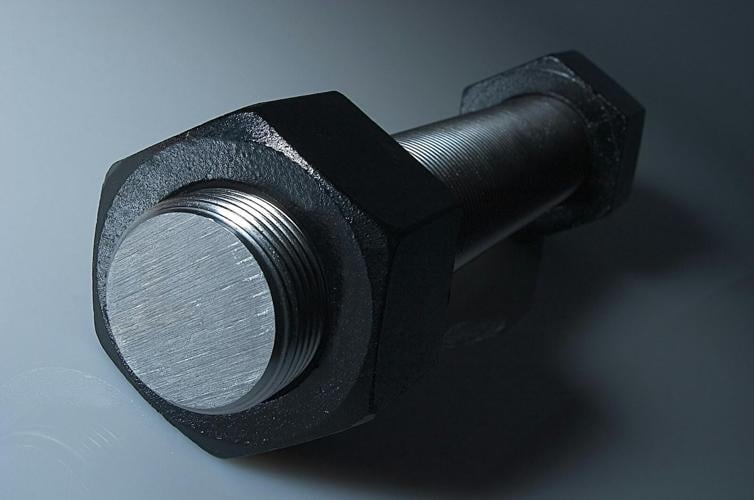
Selecting the right mechanical joining tool requires careful consideration of the fasteners it will use. Using an incompatible fastener can compromise joint integrity and even damage the tool during operation.
By having options for different diameters, materials, and head types, you can ensure your tool can handle various applications without frequent adjustments or replacements, making it helpful to access a wide range of blind rivets available, which simplifies the selection process and ensures consistent performance across different projects. Compatibility involves assessing the operating environment.
Certain fasteners perform better in vibration-prone conditions, while others resist corrosion more effectively. Matching the tool and fastener ensures durable, high-quality joins across different projects.
Determine the Appropriate Tool Type
Mechanical joining tools come in a variety of forms, including rivet guns, hydraulic presses, and torque wrenches. Each type offers distinct advantages depending on the scale and complexity of your projects. Choosing the correct type improves efficiency and reduces physical strain on operators.
Manual tools are ideal for smaller projects or areas with limited access, offering precision and control. Pneumatic or hydraulic tools suit high-volume production environments where speed and consistency are priorities. Evaluate workflow and production demands before making a selection.
Tool ergonomics should not be overlooked. Comfortable, well-balanced tools reduce operator fatigue and improve safety. Proper training and ease of use further enhance productivity when using these devices.
Prioritize Durability and Build Quality
Heavy-duty mechanical joining tools are a long-term investment, so quality and durability must be considered. Look for tools made from hardened steel, reinforced alloys, or other materials designed to withstand repeated stress.
Regular maintenance is important. Durable tools often feature replaceable parts and easy serviceability, extending their lifespan and reducing downtime. Choosing quality over cost ensures that your tools continue performing reliably for years.
Consider the manufacturer's reputation and warranty offerings. Tools from established brands often undergo rigorous testing and provide consistent performance, giving confidence in safety and productivity.
Consider Load Capacity and Operational Range
Understanding the operational limits of joining tools is important for safety and efficiency. Each tool specifies maximum load capacity, throat depth, and reach. Selecting a tool that aligns with your typical workload prevents overloading and potential equipment failure.
Heavy-duty tools should accommodate a range of fastener sizes. Versatility allows one tool to handle multiple applications, reducing the need for multiple devices and streamlining workflow.
Operational range affects ergonomics. Tools that minimize hand force or allow for adjustable settings reduce strain on operators and improve precision, making repetitive tasks easier and safer.
Evaluate Ease of Use and Ergonomics
Operator comfort plays a significant role in productivity. Tools that are heavy, unbalanced, or awkward to handle increase fatigue and the likelihood of errors. Ergonomic designs improve performance and safety.
Features like non-slip grips, adjustable handles, and balanced weight distribution make extended use more manageable. Tools designed for intuitive operation reduce the learning curve, allowing teams to work efficiently with minimal training.
Consider the workspace as well. Tools that can operate in tight or awkward spaces expand the applications you can tackle without needing specialized equipment.
Compare Manual Versus Automated Options
Manual tools are simple and versatile, offering precise control for detailed applications. They are generally less expensive upfront but may require more physical effort. Manual devices are ideal for low-volume tasks or situations with limited access.
Automated options, such as pneumatic or hydraulic tools, provide speed and consistency. They are better suited for high-volume production environments where efficiency is critical. Automation can reduce operator fatigue and improve joint quality.
Hybrid solutions that combine manual and powered functions offer a balance between control and speed. Evaluating your production needs helps determine which option provides the best return on investment.
Check Availability of Replacement Parts and Accessories
Heavy-duty tools require ongoing maintenance, making the availability of spare parts critical. Tools with readily accessible components reduce downtime and maintenance costs. Consider the manufacturer’s support network and local distributors when evaluating options.
Accessories such as different jaw sets, extension arms, or adapters can expand the functionality of your tool. Investing in a system that supports accessories ensures that your equipment can adapt to new challenges as your projects evolve.
Planning for future maintenance and upgrades protects your investment. Tools that are modular or offer replacement kits extend operational life and reduce the need for full replacements.
Factor in Cost Versus Value
While initial cost is a consideration, the value a tool provides is more important. Investing in a higher-quality tool can save money on repairs, downtime, and frequent replacements.
Consider the total cost of ownership, including maintenance, consumables, and expected lifespan. A slightly more expensive tool with longer durability often represents the best financial decision for high-demand environments.
Reliable tools improve safety and reduce operational errors. The indirect benefits of performance and productivity often outweigh the upfront cost, making value-based selection a practical approach.

Selecting the right heavy-duty mechanical joining tools involves careful evaluation of material compatibility, tool type, and fastener options. By prioritizing durability, ergonomics, and operational capacity, you ensure that your tools support productivity and safety in demanding environments.
A thoughtful approach to tool selection considers future needs, maintenance, and value. Using the right tools consistently can streamline operations, reduce downtime, and improve the quality of every mechanical joint you create.
(0) comments
We welcome your comments
Log In
Post a comment as Guest
Keep it Clean. Please avoid obscene, vulgar, lewd, racist or sexually-oriented language.
PLEASE TURN OFF YOUR CAPS LOCK.
Don't Threaten. Threats of harming another person will not be tolerated.
Be Truthful. Don't knowingly lie about anyone or anything.
Be Nice. No racism, sexism or any sort of -ism that is degrading to another person.
Be Proactive. Use the 'Report' link on each comment to let us know of abusive posts.
Share with Us. We'd love to hear eyewitness accounts, the history behind an article.