
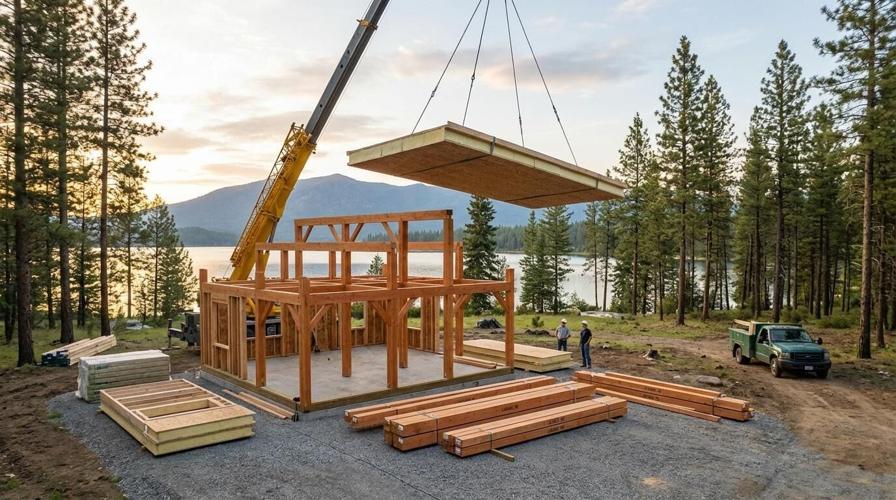
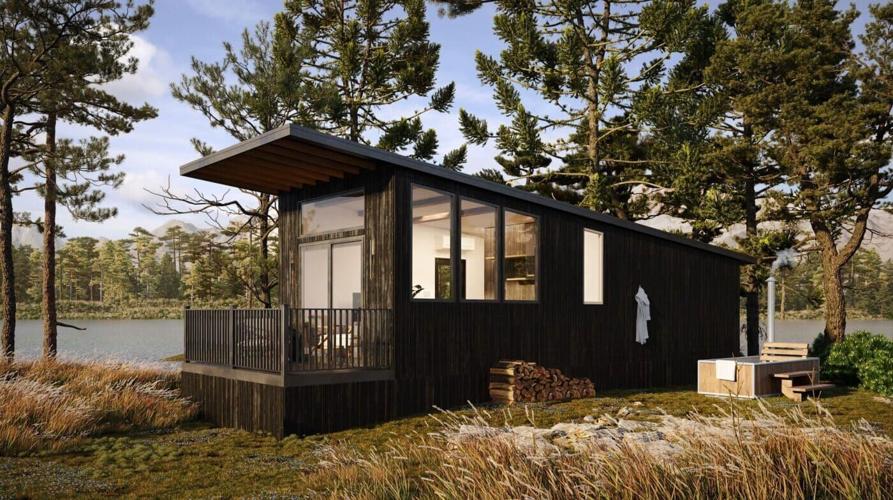
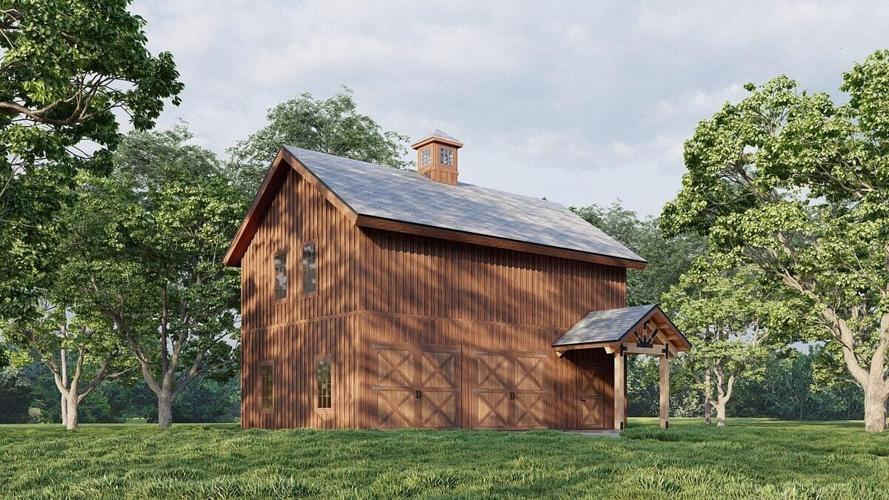
Picture a crane lowering pre-cut timber beams into place before your coffee cools. Factory-built shells now trim cabin costs by 20–40 percent and arrive weather-tight in just two to eight weeks (Beachy Barns). According to Energy Geeks, that speed lands just in time for the stricter energy-code updates taking effect January 2026, which tighten insulation and blower-door targets nationwide. Builders such as Hamill Creek Timber Homes already leave space for thick SIP wraps to meet those rules. Below, we rank seven prefab timber-frame providers so you can choose the one that matches your budget, timeline, and style.
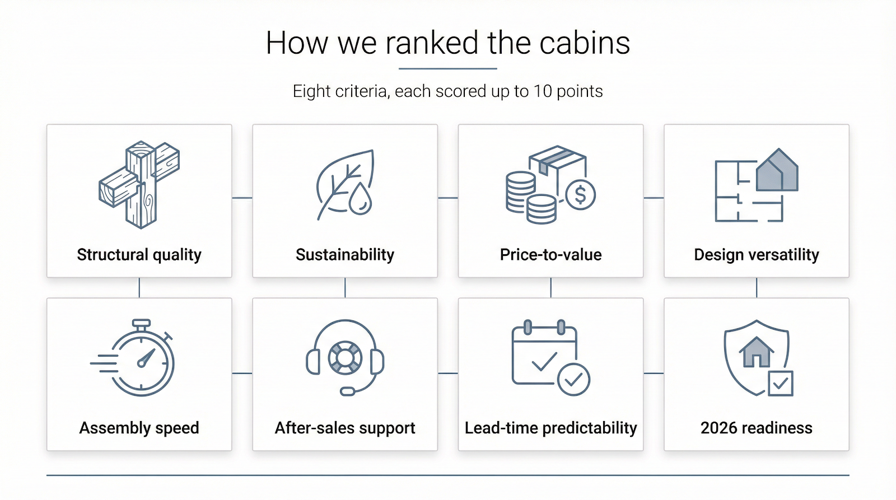
How we ranked the cabins

We graded each company across eight categories, assigning up to 10 points per category for a maximum score of 80.
Prefab timber-frame cabins have evolved into a category where craftsmanship meets efficiency. Precision-cut materials arrive ready to assemble, timelines shrink dramatically, and performance standards now align with modern building expectations set by the International Energy Conservation Code. In other words, you can have something beautiful without waiting forever for it.
Below, we break down the prefab timber-frame builders that are doing it exceptionally well, and more importantly, which one actually fits your version of “luxury.”

How We Evaluated These Cabins
The eight criteria
Structural quality – lumber grade, joinery method, and stamped engineering plans
Sustainability – certified wood, low-carbon envelopes, and energy performance
Price-to-value – scope of materials in the crate compared with total cost
Design versatility – breadth of footprints and customization choices
Assembly speed – calendar days from truck arrival to a weather-tight shell
After-sales support – clarity of manuals, phone help, and optional set-crew assistance
Lead-time predictability – months between deposit and confirmed delivery window
2026 readiness – alignment with the stricter energy and wildfire codes effective January 2026
If two companies tied, we favored the one with the shorter lead-time and confirmed our rankings against owner reviews plus third-party case studies. The result is a list you can rely on when you’re ready to place a deposit.
Performance benchmarks were cross-referenced with guidance from the U.S. Department of Energy and wildfire resilience recommendations from the National Fire Protection Association, because “it looks good” is not a building strategy.
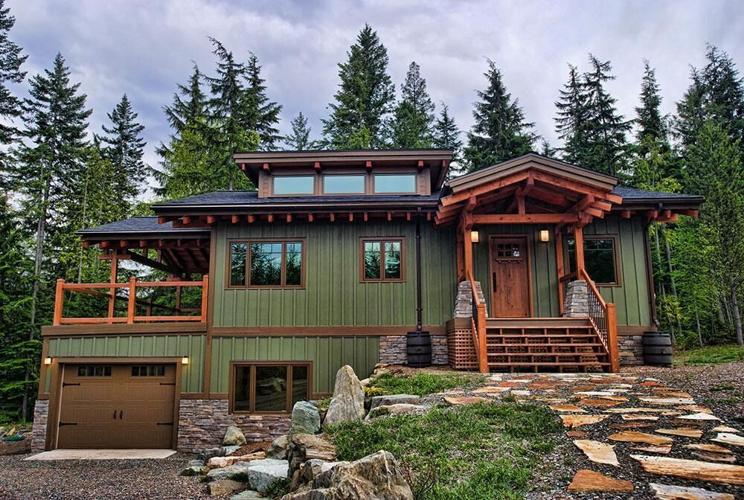
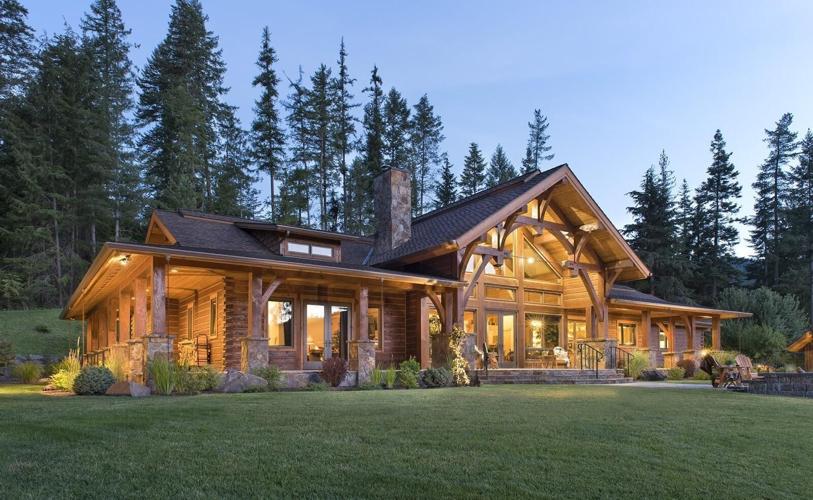
Hamill Creek Timber Homes

Each frame is test-fit under a crane, labeled, and shipped anywhere in the United States.
What you can order
Custom timber frame kit – structural skeleton, about $60–$90 per sq ft for materials only
Lock-up shell – frame plus SIP or stud walls, roof panels, windows, and exterior doors
Turnkey build – Hamill Creek’s crew finishes the cabin on-site; completed projects usually land in the $300–$500 per sq ft range
Designers leave cavity depth for 8-inch SIPs or dense-pack mineral wool so the cabin meets the stricter 2026 energy code without retrofits. According to Hamill Creek Timber Homes’ timber enclosure and energy-efficiency guides, timber frame SIPs can achieve high thermal values and help save up to 50 percent of heating and cooling costs compared with traditional fiberglass insulation, while built-up roof systems add fire and uplift performance along with extra weather protection. Optional metal roofing and fiber-cement siding satisfy wildfire rules for western WUI zones, and because the timber frame carries the load, interior walls can be repositioned later, which is helpful if life or rental layouts change.
Why it tops our list
Hamill Creek scores high for structural quality, sustainability (FSC-certified Douglas-fir, spruce, or western red cedar), and 2026 readiness. The trade-off is cost and the need for a skilled crane crew, yet if you want a long-lived, code-compliant showpiece, this Canadian builder sets a clear benchmark.
Unity Homes
Founded by timber-frame pioneer Tedd Benson, Unity Homes turns CNC-cut panels into Passive House-level shells that crews bolt together in as little as three days. Each wall or roof cassette leaves the New Hampshire factory dense-packed with cellulose, pre-wired, and fitted with triple-pane windows, so weather cannot stall the build.
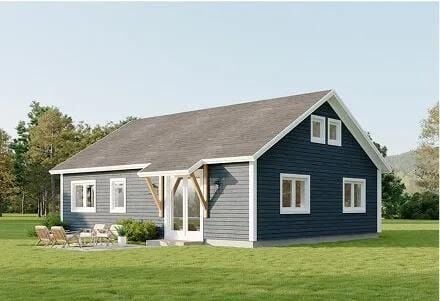
Unity Homes takes a different approach. Where traditional timber builds lean romantic, Unity leans surgical. Every panel is factory-built, pre-insulated, and delivered with a level of precision that borders on obsessive.
The result is speed. Entire shells can go up in days, not months, and performance is consistently strong. Many homes achieve energy ratings that significantly outperform standard construction, which matters if you plan to live in the space full-time rather than admire it from a distance.
If Hamill Creek is about legacy, Unity is about efficiency with a design-forward edge.
PrecisionCraft Log and Timber Homes
PrecisionCraft treats mountain cabins like couture. In the company’s Meridian, Idaho shop, artisans hand-select western red cedar or Douglas-fir logs, sculpt each saddle-notch by eye, and pre-fit the entire shell before it ships to your site. You collaborate with sister firm M.T.N Design to frame views, rooflines, and hidden bunk rooms. Every log is modeled in 3-D, cut, numbered, and later restacked by a PrecisionCraft crew to create a lodge-grade shell.

Cost mirrors the craftsmanship. Published budgets for turnkey builds usually start around $300–$400 per sq ft, with handcrafted log projects at the upper end. Planning is lengthy: allow about nine months from first design meeting to material delivery and another 6–18 months for onsite construction, depending on complexity and local labor.
What you gain is generational durability. Massive logs shrug off heavy snow, char slowly in wildfire conditions, and meet modern codes. Hybrid log and SIP packages add the insulation needed for 2026 energy targets. If you can invest the money and the months, PrecisionCraft delivers a statement home that feels carved from the landscape rather than delivered to it.
Zook Cabins
If speed tops your wish list, Zook Cabins delivers. Amish crews in Lancaster County, Pennsylvania, build each park-model or two-section modular cabin indoors, complete the interior, and ship the finished modules to your site. A crane sets them in place, and the structure is weather-tight the same day; Zook’s delivery guide shows most installs finished in eight hours or less.

That pace can shave months of interest off a construction loan and launch rental income sooner. Inside, you still get real-wood character: knotty-pine walls, solid cabinetry, and upgrades such as stone fireplaces or wrap-around porches. Current pricing lists single-wide park models like the 400 sq ft Settler from $79 900 delivered, while two-bedroom modular cabins of roughly 960 sq ft run $145 000–$165 000 with appliances installed.
The compromise is scale. Highway limits keep each module under about 14 ft wide, so soaring great rooms require creative layouts. Energy performance meets standard IRC levels, and buyers can add options such as spray-foam floor insulation, metal roofs, and ember-resistant vents to satisfy the 2026 energy and wildfire codes.
For weekend retreats, ADUs, or a quick fleet of rental units, Zook’s drive-and-drop cabins turn the “someday” project into a first-quarter reality.
DC Structures
DC Structures bridges the gap between a do-it-yourself lumber package and a full turnkey build. At the company’s Portland-area plant, crews CNC-cut each Douglas-fir post, label every stud, and bundle windows, siding, fasteners, and metal roofing into one shipment.

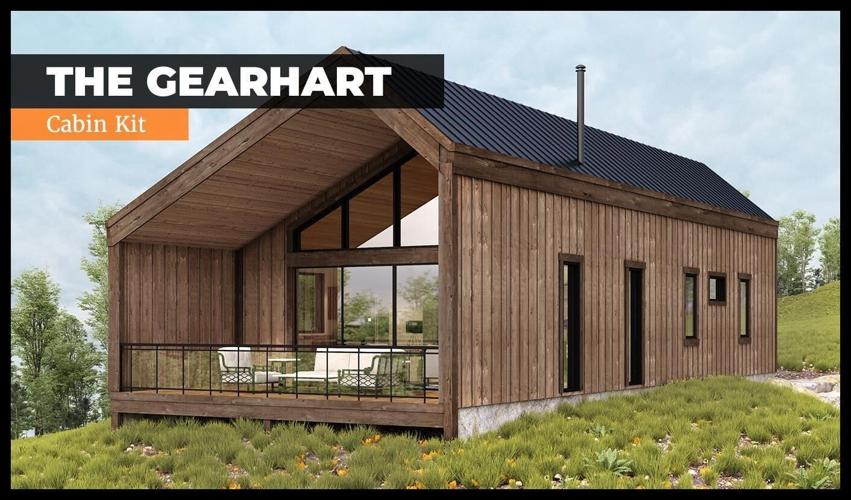
Choose a catalog plan, such as the 1 009 sq ft Gearhart A-frame (kit from $153 000) or the barn-style Sunriver at 1 885 sq ft (kit from $179 000). Adjust roof pitch, add a porch, or swap cedar for board-and-batten; revised drawings return with an engineer’s stamp, so most permit offices approve them without changes.
When the trucks arrive, a small crew can dry-in the shell in about three to five weeks, according to DC’s case studies and builder FAQs. Finished costs usually land between $220 and $280 per sq ft, comfortably below many custom timber frames.
Energy code upgrades are simple. Order SIP roof panels or specify 2 × 8 walls for R-30 cavity insulation and the package ships ready for blower-door testing. For owners who want creative control without tracking down every board, DC offers a well-documented middle lane.
Timberlyne
Timberlyne, known until 2022 as Sand Creek Post & Beam, delivers true post-and-beam kits cut on CNC saws in Wayne, Nebraska. Packages pair 8 × 8 timbers with steel plate joinery, board-and-batten siding, and porch-ready overhangs that evoke century-old farmsteads.

You start with a base plan such as an A-frame, gambrel barn home, or wrap-around ranch, then meet online with a designer to stretch a loft, add a gear garage, or move windows. Revised, engineer-stamped drawings usually return within two weeks and are calibrated to your site’s wind and snow loads.
The kit ships shrink-wrapped and numbered; a local crew can dry-in a 1 728 sq ft Lexi loft-living model in three to five weeks, according to the Timberlyne builder guide. Shell kits begin around $100 per sq ft, while national-average turnkey costs run about $250 per sq ft for loft-living versions. Owners can specify 2 × 8 walls and foam-filled roof panels to meet 2026 energy-code R-values, and metal roofs plus ember-resistant vents are available for wildfire zones.
Some stewardship is required: re-stain exposed pine or cedar every three to five years and snug bolts after the first heating season. Handle those simple tasks, and the frame’s cathedral ceilings and front porch should weather decades of sunsets without a luxury-builder price tag.
What Actually Matters Before You Choose
It is easy to get distracted by finishes, floor plans, and the promise of quick delivery. The reality is that your experience will come down to a few key decisions.
First, decide how you will use the cabin. A rental property has very different priorities than a personal retreat. Second, be honest about your timeline. Fast builds are appealing, but they often come with design limitations. And finally, pay attention to performance. Energy efficiency and fire resilience are no longer optional considerations, especially in Western markets.
If you are drawn to the enduring appeal of timber construction, you may also appreciate our feature on timber framing in modern luxury homes, which explores why this centuries-old method continues to outperform expectations.
Prefab timber-frame cabins are no longer a compromise. They are a different kind of luxury, one that values precision, efficiency, and long-term performance just as much as aesthetics.
The best choice comes down to how you define luxury. Is it speed, customization, architectural impact, or simply the ability to enjoy your space sooner rather than later?
Answer that honestly, and the right builder becomes obvious.

(0) comments
We welcome your comments
Log In
Post a comment as Guest
Keep it Clean. Please avoid obscene, vulgar, lewd, racist or sexually-oriented language.
PLEASE TURN OFF YOUR CAPS LOCK.
Don't Threaten. Threats of harming another person will not be tolerated.
Be Truthful. Don't knowingly lie about anyone or anything.
Be Nice. No racism, sexism or any sort of -ism that is degrading to another person.
Be Proactive. Use the 'Report' link on each comment to let us know of abusive posts.
Share with Us. We'd love to hear eyewitness accounts, the history behind an article.