
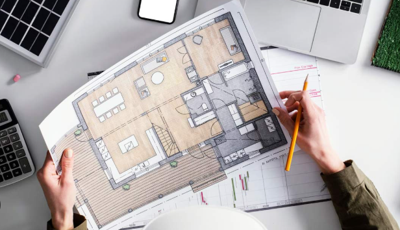

Designing a home is exciting, but the real success of any build often comes down to the floor plan. A beautiful façade can catch attention, but it is the internal layout that shapes how you live every day. A well considered house floor plan design supports your routines, suits your family, and remains practical as your needs change over time.
Many people start their journey by exploring display homes or browsing options like house and land packages Brisbane to understand what layouts and inclusions suit their budget and lifestyle. Many top ranking articles on this topic focus heavily on trends or visual appeal. While style matters, the most liveable homes start with function. This guide takes a practical, lifestyle first approach so your home works for you, not the other way around.
Why a Functional Floor Plan Matters
A functional layout influences comfort, convenience, and even stress levels. When your home flows well, daily life becomes easier. When it does not, small frustrations can build up over time.
Your floor plan shapes daily living
Think about how often you move between the kitchen, living areas, bedrooms, and outdoor spaces. A smart functional house floor plan reduces unnecessary walking, avoids congestion, and places key spaces where they make sense.
For example, a laundry near bedrooms can simplify chores. A kitchen with a clear view of the living area helps parents supervise children. These details may seem minor, but they have a big impact over years of living.
Good design adds long term value
Buyers consistently look for homes with practical layouts. A strong home floor plan design can improve resale appeal because it suits a wider range of lifestyles. Even if you are not planning to sell, it is wise to think ahead.
Start With Your Lifestyle
Before browsing home floor plan ideas, step back and assess how you actually live. Your habits should guide your layout.
Consider your daily routines
Look at how your household operates on a typical weekday and weekend. When do people wake up, cook, work, relax, or entertain? A home that supports these patterns will feel more natural to live in.
If you love hosting, an open kitchen and dining area connected to outdoor space may be a priority. If you value quiet time, separate living zones might suit you better.
Plan for the future
A good house floor plan design considers not only today but also tomorrow. Families grow, children become teenagers, and work situations change.
Think about whether you may need a nursery that later becomes a study, space for teenagers to have privacy, a guest room for visiting family, or a home office for remote work. Future proofing your layout can save costly renovations later.
Get the Zoning Right
Zoning is one of the biggest differences between an average layout and the best house layout design. It refers to how spaces are grouped within the home.
Separate active and quiet areas
Living rooms, kitchens, and media rooms are noisy spaces. Bedrooms are quiet spaces. Placing them apart improves comfort for everyone.
Parents often prefer the master bedroom away from children’s rooms, while families with young kids may prefer them closer. There is no universal rule, only what suits your stage of life.
Create public and private zones
Public areas include spaces where guests spend time. Private areas include bedrooms and personal retreats. A clear divide helps maintain privacy and reduces disruption when entertaining.
Focus on Practical Room Sizes
Bigger is not always better. Oversized rooms can feel empty and waste valuable floor area.
Design for real furniture
When reviewing home floor plan ideas, imagine actual furniture placement. Will a king bed fit comfortably? Is there space for a proper dining table? Can the sofa face the television without blocking walkways?
A functional home layout allows movement around furniture without squeezing through tight gaps.
Avoid unused spaces
Some homes include formal areas that rarely get used. It is often better to invest in spaces you will use daily, like a larger kitchen or a comfortable alfresco area.
Prioritise Storage
Storage is one of the most requested features in modern functional house floor plans, yet it is often underestimated during planning.
Storage where it matters
Think beyond wardrobes. Consider entry storage for shoes and bags, linen cupboards near bedrooms, pantry space in the kitchen, and garage storage for tools and equipment. Well placed storage keeps your home organised and reduces clutter.
Make the Most of Light and Ventilation
Natural light and airflow improve comfort and energy efficiency.
Orientation matters
In Australia, north facing living areas usually receive the most consistent natural light. This can help keep homes bright in winter and reduce heating costs.
Smart window placement
Windows should capture light and breezes without overheating the home. Cross ventilation, where air flows from one side of the house to the other, can make a noticeable difference in summer. A thoughtful home floor plan design works with the climate, not against it.
Design a Functional Kitchen and Living Area
The kitchen is often the heart of the home. It deserves careful planning.
Practical kitchen layouts
Good kitchen design focuses on workflow. The sink, cooktop, and fridge should be positioned for easy movement. This is often called the working triangle. Adequate bench space and storage also make daily cooking easier.
Connection to living and outdoors
Many Australians enjoy indoor outdoor living. A layout that connects the kitchen and living areas to an alfresco space supports entertaining and family life. This feature regularly appears in the best house layout design examples because it suits the Australian lifestyle.
Plan for Work and Study
Remote work is now common, and many families need study areas.
Dedicated or flexible spaces
A separate study provides privacy and quiet. However, a flexible nook or multipurpose room can also work if space is limited. The key is to reduce noise and distractions.
Common Floor Plan Mistakes to Avoid
Learning from others can help you make better decisions.
Poor traffic flow
Walkways should feel natural. Avoid layouts where people must cross through private areas to reach common spaces.
Ignoring lifestyle
Copying a trendy layout without considering your needs can lead to regret. The best homes reflect the people living in them.
Underestimating storage
Too little storage quickly leads to clutter and frustration.
Work With the Right Professionals
Even if you research how to design a house floor plan, professional input is valuable.
Builders and designers add insight
Experienced professionals can suggest improvements you may not have considered. They understand site constraints, building regulations, and practical construction factors.
Use display homes for inspiration
Walking through display homes helps you understand space, scale, and flow. Take note of what feels comfortable and what does not.
A great house floor plan design is not about following trends. It is about creating a home that supports your lifestyle, both now and into the future.
Focus on functionality, comfort, and practicality. Think about how you live each day, how your family may grow, and how your needs might change. When your layout aligns with your life, your home becomes a place that truly works for you.
If you take the time to plan carefully and seek the right advice, you can create a functional home layout that feels right from the moment you move in and continues to serve you well for many years.

(0) comments
We welcome your comments
Log In
Post a comment as Guest
Keep it Clean. Please avoid obscene, vulgar, lewd, racist or sexually-oriented language.
PLEASE TURN OFF YOUR CAPS LOCK.
Don't Threaten. Threats of harming another person will not be tolerated.
Be Truthful. Don't knowingly lie about anyone or anything.
Be Nice. No racism, sexism or any sort of -ism that is degrading to another person.
Be Proactive. Use the 'Report' link on each comment to let us know of abusive posts.
Share with Us. We'd love to hear eyewitness accounts, the history behind an article.