
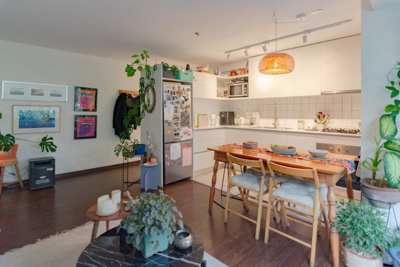

Have you noticed how the idea of “home” feels different lately? After years of remote work, rising housing costs, and a culture that prizes well-being, comfort has become a daily priority rather than a luxury. This article looks at how design choices shape that comfort in practical ways. We will explore trends that connect big societal shifts with small decisions you make every day, from where you sit to how you wake up.
Comfort as the New Status Symbol
In the past, flashy kitchens and formal living rooms were signs of success. Today, comfort has quietly taken over that role. People talk less about square footage and more about how a space supports daily life. This shift reflects broader cultural changes, including burnout conversations on social media and companies offering mental health days. A comfortable home now signals self-awareness rather than excess.
Concrete choices make the difference. Softer lighting reduces eye strain after long screen hours. Deeper sofas support better posture during movie nights that replace nights out. Even soundproofing, once seen as unnecessary, has become popular as more families juggle work calls and school projects under one roof.
Bathrooms That Work as Hard as You Do
Bathrooms used to be purely functional, but they have become personal recovery zones. This change mirrors the wellness boom, from meditation apps to cold plunges. Homeowners are rethinking layouts to save time and reduce stress during rushed mornings and slow evenings.
Around the point when many people start planning full bathroom remodeling, priorities shift toward walk-in showers, better ventilation, and storage that keeps counters clear. Heated floors are no longer rare in colder states, and water-saving fixtures respond to rising utility costs and environmental concerns. Choosing slip-resistant tile and brighter task lighting also improves safety, which matters as multigenerational living becomes more common across the U.S.
Kitchens Built for Real Life, Not Just Photos
The rise of cooking videos during the pandemic reminded people that kitchens are workspaces, not just showpieces. Open shelving may look great online, but many homeowners now prefer closed cabinets that hide clutter. This reflects a broader pushback against performative living driven by social media.
Practical comfort comes from details. Pull-out trash bins reduce bending. Induction cooktops stay cooler and are easier to clean, which matters when cooking becomes a daily habit. Wider walkways allow more than one person to move comfortably, acknowledging that families now share cooking duties rather than relying on one designated cook.
Living Rooms That Adapt to Changing Routines
Living rooms have become the most flexible spaces in the house. They host workouts, video calls, homework, and weekend naps. This flexibility echoes the gig economy, where schedules change daily and spaces must keep up.
Furniture that moves easily is key. Modular seating lets you rearrange for guests or quiet evenings. Area rugs define zones without walls, helping shared spaces feel organized. Choosing layered lighting, such as floor lamps and dimmers, supports both focus and relaxation. These choices recognize that comfort often comes from control rather than size.
Bedrooms Designed for Better Sleep, Not Just Style
Sleep has become a public conversation, with wearable tech tracking rest and doctors warning about sleep debt. Bedrooms are responding by prioritizing calm over decoration. Comfort here is less about trends and more about biology.
Blackout curtains block streetlights in growing cities. Cooler paint colors and breathable fabrics help regulate temperature. Even the placement of outlets matters, making it easier to charge devices away from the bed to reduce late-night scrolling. These adjustments are small, but they support deeper rest, which affects everything from mood to productivity.
Home Offices That Respect Your Time
Remote work blurred the line between job and home, making design choices more important. A thoughtful home office can reduce fatigue and protect work-life balance, which many companies now encourage to retain talent.
Ergonomic chairs and desks adjusted to your height prevent long-term strain. Natural light placed to the side of screens reduces glare during video calls. Sound control, through curtains or panels, creates privacy without construction. These decisions show how comfort can also mean efficiency, helping you finish work and truly log off.
Outdoor Spaces as Everyday Retreats
As public parks grew crowded, backyards and balconies became personal escapes. This trend connects to renewed interest in gardening and outdoor dining seen across American cities. Comfort now extends beyond walls.
Simple upgrades make outdoor areas usable. Weather-resistant seating and shade structures extend the season. String lights create warmth without harsh brightness. Even small patios benefit from planters that add greenery and improve air quality. These spaces offer mental breaks that feel essential in a fast-paced world.
Entryways That Set the Emotional Tone
The front door experience matters more than people admit. As delivery culture grows and guests drop by less often, entryways have become daily transition zones rather than formal greetings. A well-designed entry helps you mentally switch from outside chaos to inside calm, which psychologists say lowers stress almost instantly.
Comfort-focused entryways rely on simple, concrete choices. Built-in benches make taking off shoes easier. Hooks and closed storage prevent clutter from spreading. Durable flooring handles dirt and weather without constant cleaning. Good lighting, especially warm overhead fixtures, signals safety and ease the moment you walk in, which quietly shapes how the rest of the home feels.
Smart Homes That Reduce Mental Load
Technology has shifted from novelty to support system. Smart homes now focus less on flashy gadgets and more on reducing daily decisions, which psychologists link to stress.
Programmable thermostats maintain comfort without constant adjustment. Smart locks remove the worry of forgotten keys. Voice-controlled lighting helps during busy moments like cooking or carrying groceries. When chosen carefully, technology fades into the background, allowing comfort to feel effortless rather than complicated.
Comfort at home is no longer about indulgence. It reflects how people want to live now, with less stress, more flexibility, and greater care for health. The most successful design choices respond to real habits and changing times, proving that everyday comfort is not a trend, but a standard worth redefining.

(0) comments
We welcome your comments
Log In
Post a comment as Guest
Keep it Clean. Please avoid obscene, vulgar, lewd, racist or sexually-oriented language.
PLEASE TURN OFF YOUR CAPS LOCK.
Don't Threaten. Threats of harming another person will not be tolerated.
Be Truthful. Don't knowingly lie about anyone or anything.
Be Nice. No racism, sexism or any sort of -ism that is degrading to another person.
Be Proactive. Use the 'Report' link on each comment to let us know of abusive posts.
Share with Us. We'd love to hear eyewitness accounts, the history behind an article.