
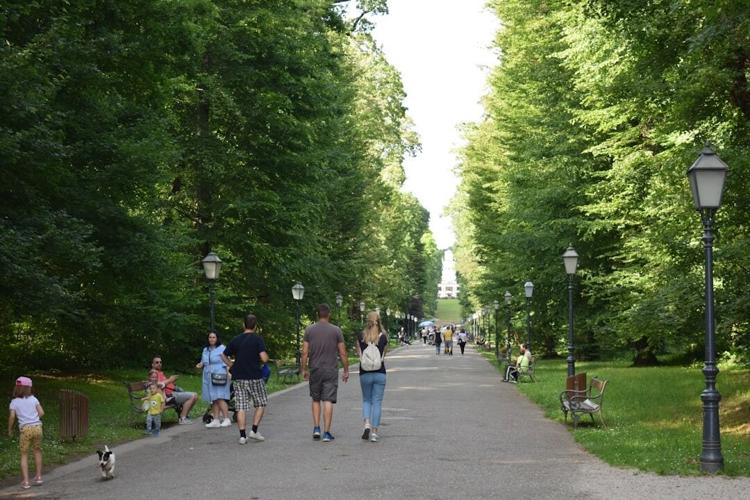
Public spaces provide a place to breathe, play, and connect with others. Making these areas better requires careful thought and planning. Smart improvements turn a simple patch of grass into a valuable neighborhood asset. Everyone deserves access to a clean and safe green area, and shared gardens and paths belong to the people who use them.

Smart Design For Modern Shared Spaces
Planners are looking at new ways to make public zones more useful. Good seating and wide paths help people move around without feeling crowded. Adding park drinking fountains makes the area more comfortable for long stays. Visitors can stay hydrated without needing to bring their own plastic bottles.
Modern fixtures are built to last and handle heavy use in all kinds of weather. Some models even include a low bowl for pets to use. Using durable materials like stone or metal reduces the need for repairs. Quality furniture keeps the area looking nice for years.
Improving Social Connections Through Design
Modern layouts focus on creating zones where people naturally gather. Social isolation was a major worry for 11% of people surveyed in 2024. Designing areas for group activities fights the feeling of being alone.
Small plazas with tables and benches encourage residents to spend time together outside. Public areas are the bridge between different parts of the community. People feel more connected to their town when they have a place to meet. Strong bonds grow when residents share a common space.
Health Benefits Of Regular Park Use
Spending time in nature is good for the mind and body. Walking through a garden or sitting under a tree reduces stress quickly. Research suggests that spending just 20 minutes in a green area can boost a person's mood.
Physical activity is easier when the environment is pretty and safe. Regular visits help people stay active and feel better throughout the day. Fresh air and sunshine are simple ways to improve health. Even a short walk during a lunch break can change a person's outlook and help them stay fit.
Incorporating Technology In Outdoor Zones
People want to stay connected even when they are outside. Some parks now offer free internet or places to charge phones. Smart lighting systems keep paths bright while saving energy.
Sensors can track how many people visit certain spots. Collecting data helps cities decide where to add more benches or trash cans. Power comes from the sun to run ports for phones and tablets.
Digital maps help visitors find trails or restrooms quickly. Using technology helps park managers see which areas need the most care. Modern systems keep the space running smoothly.
Food Security And Local Programs
Some towns are using green spaces to help people get fresh food. Programs are popping up to revitalize main streets and local hubs. Planting fruit trees or starting community gardens turns a park into a source of nutrition. These projects teach kids where their food comes from and keep the area green.
Community gardens give people a sense of ownership over their local park. Growing vegetables together builds strong bonds between neighbors. Use empty land that would otherwise sit unused. Fresh produce can be shared with those who need it most.
Art And Culture In The Great Outdoors
Adding art to a park makes it interesting to visit. Local sculptors can create pieces that tell the history of the town. Murals on park buildings add color and prevent graffiti.
Art displays give people a reason to stop and look around. Outdoor galleries can support local creators, and music in the park brings a sense of joy to the afternoon. Performance spaces can be as simple as a circle of flat stones. Creative zones invite people to express themselves in nature.
Inclusive Play Areas For All Kids
Playgrounds are better when every child can join the fun. New designs include ramps and sensory panels for kids with different needs. Soft ground surfaces prevent injuries and make it easier for wheelchairs to move.
Ramps for accessibility
Sensory play stations
Fenced-in zones for safety
Quiet areas for overstimulated kids
Play is a right for every child regardless of their physical limits. Inclusive parks bring families together in a way few other places can. Parents can watch their kids and take a break sitting on the bench.
Environmental Choices For Greener Parks
Native plants need less water and help local insects and birds. Choosing drought-resistant grass saves money on maintenance. Here’s how to make the park more sustainable:
Use local trees
Install rain barrels
Create bee-friendly zones
Build stone walkways
Recycled materials are great for building benches and fences. Making these choices helps the planet and lowers the cost of park care. Rain gardens can catch runoff and prevent flooding during big storms.
Natural gardens filter water naturally before it goes back into the ground. Using wood from fallen trees creates a natural look for play areas. Sustainable choices keep the park healthy for many years.
Safety And Lighting For Evening Use
Parks should be safe to use after the sun goes down. Solar lights can brighten paths without high electricity bills, and motion sensors can make lights brighter when someone walks past. Clear signs help people find their way and know the park rules. Lighting should be soft to avoid disturbing the neighbors or local wildlife.
Bright paths encourage more people to use the park in the evening. Well-lit parks are less likely to see vandalism or littering. Seeing clearly helps runners and walkers avoid trips and falls. High-quality lights last for years and require very little care.
Saving money on repairs means more funds can go toward new equipment. Local governments like to see lower utility bills at the end of every month.

Improving a community park is an investment in the future. A better design will result in more use and a stronger sense of local pride. Everyone benefits from having a place to relax and enjoy the outdoors, including families.
Focus on small steps that make the space more inviting for everyone. Parks are places where memories are made and friendships grow. A well-planned green area makes any town a better place to live.
Here are some other articles related to your search:
Outdoor Education: Benefits of Learning Beyond the Classroom Walls


(0) comments
We welcome your comments
Log In
Post a comment as Guest
Keep it Clean. Please avoid obscene, vulgar, lewd, racist or sexually-oriented language.
PLEASE TURN OFF YOUR CAPS LOCK.
Don't Threaten. Threats of harming another person will not be tolerated.
Be Truthful. Don't knowingly lie about anyone or anything.
Be Nice. No racism, sexism or any sort of -ism that is degrading to another person.
Be Proactive. Use the 'Report' link on each comment to let us know of abusive posts.
Share with Us. We'd love to hear eyewitness accounts, the history behind an article.