
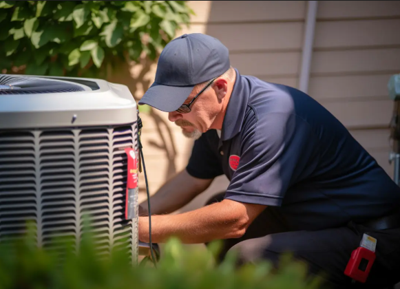

When your home starts to feel chilly even though your system is running, it’s natural to wonder: why is my heat pump not heating properly? This is a common issue homeowners face, especially during colder months in Indiana, and it can stem from several different causes—some simple, others requiring professional attention.
One of the most frequent reasons is a dirty or clogged air filter. When airflow is restricted, your system can’t effectively move warm air throughout your home. This not only reduces comfort but also forces the system to work harder than necessary. Replacing or cleaning your filter regularly is a simple step that can make a noticeable difference.
Another possible issue is thermostat settings. It may sound obvious, but incorrect settings or a malfunctioning thermostat can prevent your system from heating properly. Make sure it’s set to “heat” and the temperature is higher than the current room temperature. If the display seems off or unresponsive, the thermostat itself could be the problem.
Outdoor unit problems are also a common culprit. Since heat pumps rely on transferring heat from the outside air into your home, anything that interferes with the outdoor unit can reduce performance. Ice buildup, debris, or even low refrigerant levels can all impact efficiency. While some frost is normal in winter, excessive ice may indicate a problem with the defrost cycle.
Low refrigerant is another serious issue that can prevent proper heating. Refrigerant is essential for transferring heat, and if levels are too low due to a leak, the system won’t be able to keep up. This is not something that can be fixed with a quick DIY solution—it requires a licensed technician to locate the leak and recharge the system safely.
Ductwork issues can also play a role. Leaky or poorly insulated ducts can allow warm air to escape before it ever reaches your living space. In some cases, rooms may feel unevenly heated or not heated at all. Having your ductwork inspected can help identify hidden inefficiencies.
It’s also important to consider the age and condition of your system. Older heat pumps may struggle to keep up with demand, especially during very cold weather. As temperatures drop, systems naturally become less efficient, and an aging unit may no longer perform as it once did.
Finally, your system may simply need professional maintenance. Over time, components wear down, electrical connections loosen, and performance declines. Routine inspections can catch small issues before they turn into major repairs and help ensure your system is running at peak efficiency.
If your heat pumps aren’t providing the warmth you expect, it’s best not to ignore the problem. Addressing issues early can prevent more costly repairs down the line and keep your home comfortable all season long.


(0) comments
We welcome your comments
Log In
Post a comment as Guest
Keep it Clean. Please avoid obscene, vulgar, lewd, racist or sexually-oriented language.
PLEASE TURN OFF YOUR CAPS LOCK.
Don't Threaten. Threats of harming another person will not be tolerated.
Be Truthful. Don't knowingly lie about anyone or anything.
Be Nice. No racism, sexism or any sort of -ism that is degrading to another person.
Be Proactive. Use the 'Report' link on each comment to let us know of abusive posts.
Share with Us. We'd love to hear eyewitness accounts, the history behind an article.