
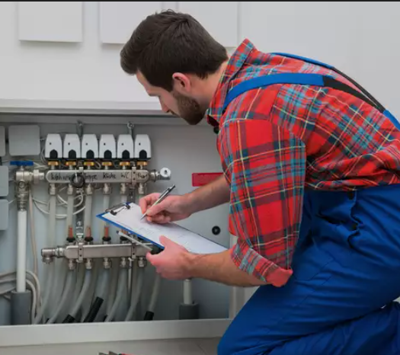

Renovating is an opportunity to reconsider the heating of spaces that have been comfortable for the past but are no longer suitable for modern living. Heating is one of the last elements of a renovation but heating systems should be considered during the earliest design meetings because they can have a profound effect on the performance and appearance of a renovated building.
Heating systems that worked in the past are often less functional for open plan living and changing design expectations. Bulky radiators and underpowered boilers may be unable to provide sufficient heating for renovated buildings that have undergone changes to their structure. Energy efficiency savings, which reduce the whole-life cost of a building, can also be incorporated into renovations.
Assessing the Limitations of the Existing Heating Systems
Renovations always begin with an assessment of the existing building and whether the heating system is capable of handling the planned changes. Old radiator heating systems will almost always have radiators in locations that are no longer representative of the room’s previous state. Repositioning radiators requires pipework to be extended, which can be costly and an unwelcome distraction if it is not included in the renovation’s initial stages.
Boilers also need to be assessed in terms of their heating output. Changes to the heating requirements of the whole house may be required if renovations impact their thermal performance. A boiler that barely heated an uninsulated house may no longer be sufficient after renovations have improved the building’s energy efficiency. Conversely, a boiler that worked well in the past may no longer cope with heating demands that have increased as a result of renovation work.
Many rural properties may not have sufficient gas supply pressure to cope with the latest design specifications for gas boilers. Heating should be a consideration before renovation work that seeks to improve the supply pressure to the building is attempted.
Modern Heating Options
Electric heating systems are becoming a common choice during renovations because they do not need to be connected to existing heating systems and can be easily installed wherever there is access to an electrical supply. Electric Radiators and other modern electric heating units can provide highly sophisticated control at the level of each room, with programming that can be used to ensure that heating can accommodate specific usage patterns.
The flexibility that electric heating systems provide makes it a sensible choice for installation in buildings with potentially tricky new layouts. Conservatories, garages, and lofts are some of the first places where renovators seek to install free standing electric heating rather than extend existing heating systems.
Smart electric heating systems can be integrated into home management systems and can be programmed using smartphone applications. Their appeal is evident for modernised buildings that now accommodate smart technologies.
Heating Systems Under Floors
Heating systems under floors should not be reinstated after renovations because doing so removes radiators from the layout of the building and increases flexibility in how spaces can be furnished and presented.
Electric underfloor heating systems can be easily installed whenever existing flooring is replaced. Rooms that are undergoing renovations can receive free standing electric heating installations.
Wet underfloor heating systems require more consideration. They are usually best installed as an entire system instead of in individual rooms, which complicates their installation process. The height of different floor heights needs to be considered if these systems are to be installed successfully in renovated buildings.
Heat Pumps
Air source heat pumps are becoming a popular choice during renovations because their effectiveness is maximised when they are installed in buildings with modern insulation or other heating systems that have been upgraded since they were first built. Heat pumps work best in buildings that feature upgraded radiator systems, underfloor heating systems that operate at lower water temperatures or even other modern heating systems.
Heat pumps sometimes require permission from planning authorities to be installed, which means they are not always suitable for all buildings. Their noise output and outdoor units also need to be considered before they are installed in tightly packed urban spaces where sound levels matter.
Zoning Considerations
Smart, modern heating systems can be controlled much better than older systems, which allows renovators to choose different levels of warmth for different rooms. Zoning has the potential to become a consideration in renovated buildings, particularly if they have been opened up into open plan layouts where traditional zoning does not easily apply anymore.
Smart thermostats can be used in existing radiator heating systems and upgraded so that they control systems instead of simply replacing older thermostats. Individual sensors can also be added to radiator systems to improve comfort and reduce energy consumption.
Planning Considerations
Heating systems should be considered early in the planning process for renovation projects. Electrical supplies for devices can be easily integrated as part of a renovated building if their needs are considered in the design meetings. Build-up heights for electric and wet underfloor heating systems should also be considered early in the planning process rather than as an afterthought.
Heating systems can often be used in combination with one another rather than used exclusively. Smart electric radiators can heat bedrooms, wet rooms can utilise specific heating solutions, and underfloor heating systems can be installed in living rooms.
Although many modern heating options are more flexible than their predecessors, choosing suitable options is not a straightforward process. Consideration still needs to be given to the lifestyles of the occupants of these buildings and how they are expected to function after renovations have been completed.


(0) comments
We welcome your comments
Log In
Post a comment as Guest
Keep it Clean. Please avoid obscene, vulgar, lewd, racist or sexually-oriented language.
PLEASE TURN OFF YOUR CAPS LOCK.
Don't Threaten. Threats of harming another person will not be tolerated.
Be Truthful. Don't knowingly lie about anyone or anything.
Be Nice. No racism, sexism or any sort of -ism that is degrading to another person.
Be Proactive. Use the 'Report' link on each comment to let us know of abusive posts.
Share with Us. We'd love to hear eyewitness accounts, the history behind an article.