
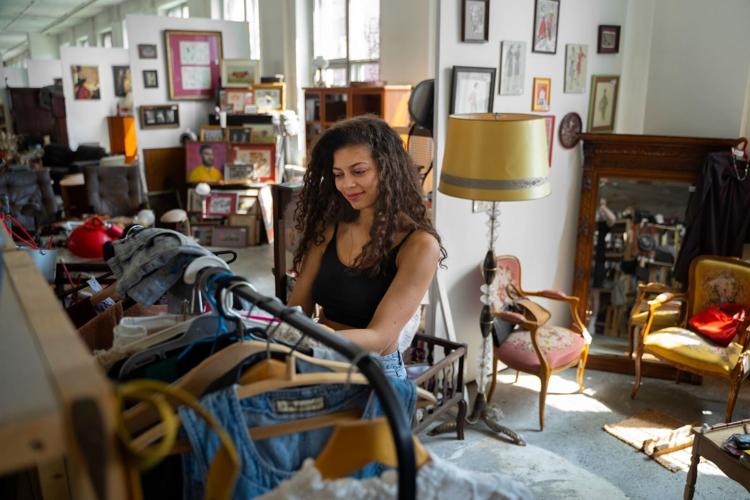
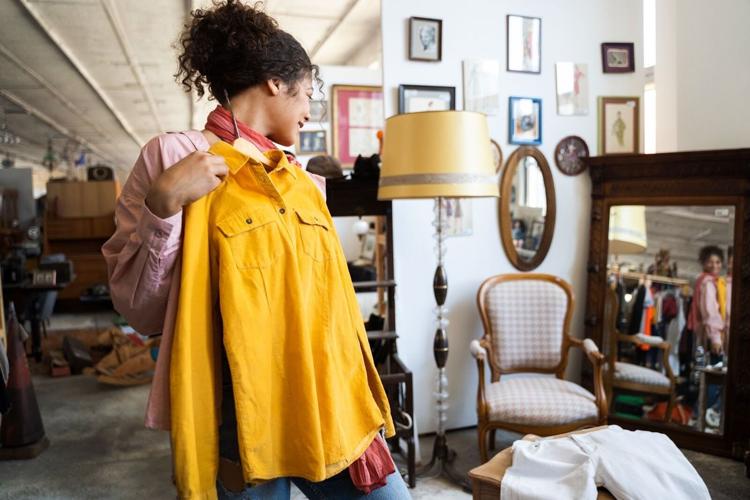

Minimalism has enjoyed its moment. There were years when the world was urged to own less, want less, and part ways with anything that did not spark a very specific type of joy. For some, it was liberating. For others, particularly those with a taste for craftsmanship, beauty, and detail, it was a quiet nightmare. Because what happens when the things that bring joy are the things you worked hard to collect, curate, and enjoy?
For people who like nice things, decluttering has always been a complicated conversation. The goal is never to live inside a white room with a single chair and a ficus. The goal is to create space for the beauty you love without suffocating under it. Decluttering for this audience is not about austerity. It is about elevation.
The Myth of Getting Rid of Everything
There is a misconception that decluttering equals purging. In reality, decluttering for those who appreciate luxury, design, and quality is not about removing belongings. It is about removing the wrong belongings. Luxury is not defined by the number of items one owns. It is defined by coherence, intention, and usage.
Often, the problem in a well appointed home is not the beautiful things. It is the peripheral items that have accumulated quietly over time. Stylistically confused gadgets, promotional merchandise, filler decor, and things that arrived via well meaning gifts can crowd out the pieces that truly matter.
Editing as a Design Skill
Editing is the most underrated design tool available to homeowners. Interior designers use it constantly. They remove so the right things can be seen. They clear surfaces so the architecture can breathe. They let materials and shapes speak without competition. Editing is not anti abundance. It is pro curation.
Ask yourself three questions during the editing stage
• Does this piece contribute to the composition of the room
• Does it reflect my taste and current lifestyle
• Would I purchase it again today
If the answer is no, it is likely a candidate for storage, sale, or donation. Editing should feel like refinement, not regret.
Curating Collections Without Creating Clutter

People who like nice things often collect them. Art, books, ceramics, wine, watches, textiles, vintage glassware, fragrance bottles, and coffee table tomes all accumulate. Collections give personality to a home, but without curation, they risk dissolving into visual noise.
There are two strategies that work beautifully here. The first is rotation. Museums do this instinctively. They rotate art, sculpture, and objects to preserve interest. Homes can borrow the same rhythm. A rotating display keeps collections fresh without overwhelming shelves and surfaces.
The second strategy is clustering. Similar items grouped together create intention. Ceramics grouped by shape or tone look harmonious. Books sorted by height or by subject look intelligent rather than chaotic. When things feel curated, they feel luxurious.
Storage as a Form of Luxury
There is nothing luxurious about piles, stacks, or half visible clutter. Storage is what turns nice things into enjoyable things. Luxury closets use velvet baskets, brass rails, built in drawers, and glass fronts for a reason. They make storage intentional and beautiful.
For the home at large, storage can take many forms
• trays for everyday objects
• baskets for throws and pillows
• drawers for overflow decor
• cabinets for seasonal items
• archival boxes for sentimental pieces
The goal is not to hide your personality. It is to let your best pieces shine without visual competition.
Letting Go Without Losing Character
Decluttering becomes easier when we redefine what it means to keep something. Not every object needs to be on permanent display. Some things are meant to be used occasionally. Others are meant to be admired once in a while. Others have completed their service and can be lovingly released.
Sentimental items pose their own challenge. For these, consider documentation. Photograph items that hold meaning but not utility. Create digital archives. Preserve the memory without preserving the physical burden.
The Beauty of Empty Space
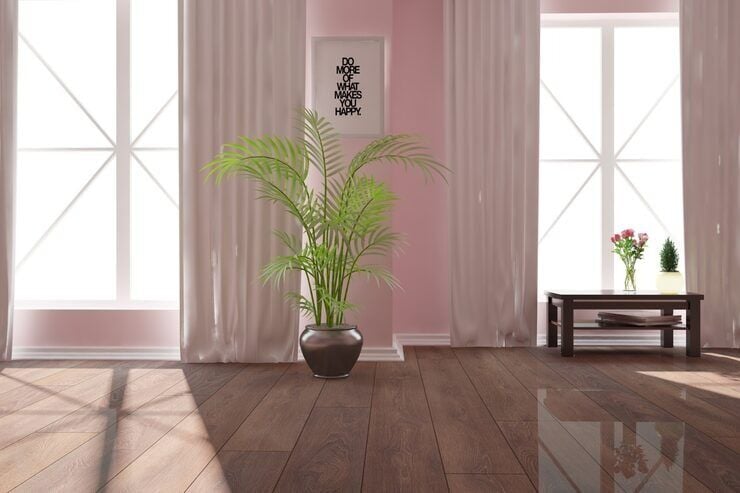
Empty space is often misunderstood. It is not emptiness. It is a pause. In music, silence creates rhythm. In interiors, negative space creates harmony. Luxury design has always embraced restraint. It allows materials, shapes, and textures to feel intentional rather than accidental.
When everything is on display, nothing is truly seen.
Decluttering as a Lifestyle Shift Rather Than a Chore
Decluttering for those with refined taste is not a one time purge. It is an ongoing relationship with acquisition, usage, and appreciation. It is perfectly acceptable to buy beautiful things. The key is to buy with discernment, store with intention, and display with intelligence.
One useful practice is quarterly reassessment. Every season, take one afternoon to walk home with fresh eyes. Ask what feels heavy, what feels unnecessary, and what deserves more prominence. Homes evolve. Our aesthetics evolve. Decluttering honors that evolution.
Why This Matters Emotionally and Aesthetically
People who like nice things often care about aesthetics, history, craftsmanship, or memory. These are not superficial values. They are markers of taste. Decluttering is not about stripping these values away. It is about allowing them to be experienced more fully.
A decluttered home is calmer. It is more functional. It is more photogenic. But more importantly, it allows the objects we love to feel special rather than suffocated.
The Takeaway for People Who Enjoy Beauty

Decluttering for people who like nice things is an invitation to curate a life rather than reduce it. It encourages discernment, appreciation, rotation, and space. It turns a house filled with possessions into a home filled with intention.
Minimalism asks us to own less. Luxury asks us to own well.


(0) comments
We welcome your comments
Log In
Post a comment as Guest
Keep it Clean. Please avoid obscene, vulgar, lewd, racist or sexually-oriented language.
PLEASE TURN OFF YOUR CAPS LOCK.
Don't Threaten. Threats of harming another person will not be tolerated.
Be Truthful. Don't knowingly lie about anyone or anything.
Be Nice. No racism, sexism or any sort of -ism that is degrading to another person.
Be Proactive. Use the 'Report' link on each comment to let us know of abusive posts.
Share with Us. We'd love to hear eyewitness accounts, the history behind an article.