
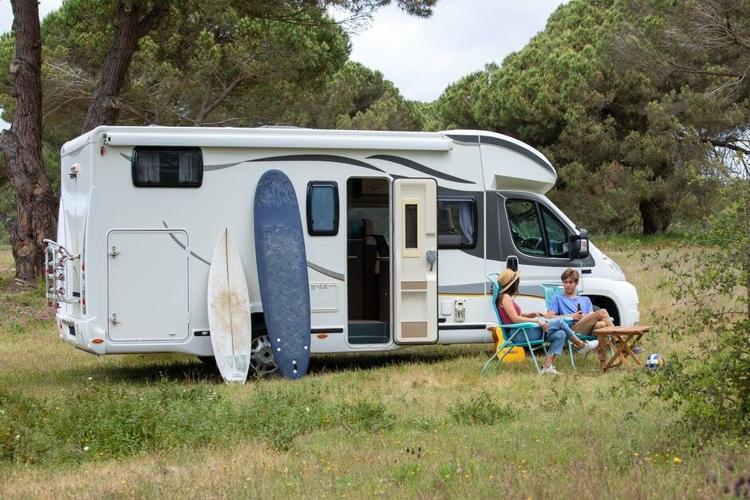
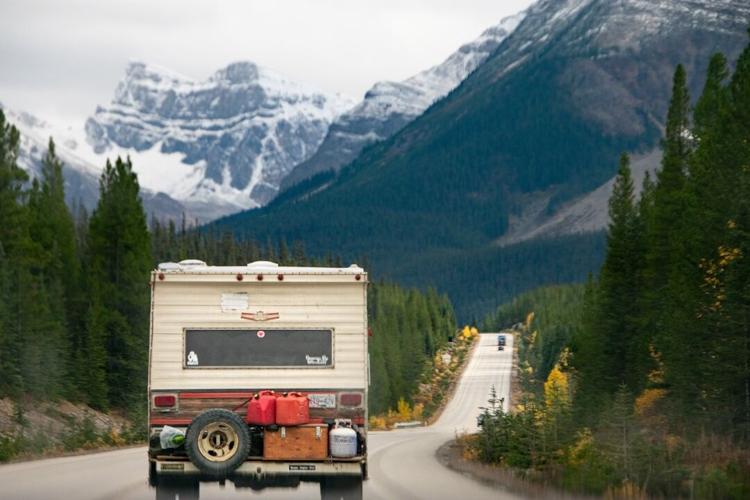
Performance in a motorhome is the balance of driving habits, upkeep, and smart upgrades that keep a heavy house-on-wheels moving confidently. With a few focused tweaks, you can improve response, stability, and efficiency without sacrificing comfort.

Set a Realistic Performance Baseline
Define what performance means for your trips. Some owners want stronger hill-climbing, while others care more about steady cruising and fewer downshifts. Clarify the priority so you can choose upgrades that deliver noticeable gains.
Log a short baseline. Note typical highway speed, average fuel use, shift behavior on grades, coolant and transmission temps, and how the coach reacts to headwinds. This quick snapshot helps you measure whether each change you make actually works.
When to Consider Powertrain Upgrades
If your current setup feels healthy yet sluggish on the grades you drive most, a targeted upgrade can help. Many paths exist, and they range from tuning to cooling improvements to exploring options related to engines used in motorhomes that better fit your weight and travel style. Match the scope of the change to your goals and budget so the payback feels worth it after the first long trip.
Focus first on supporting systems. Bigger power benefits from better charge-air cooling and adequate radiator capacity. Stronger torque stresses mounts, exhaust joints, and drivetrain fluids, so plan upgrades as a system rather than a single bolt-on.
Speed and Driving Technique Matter
Heavy RVs push a lot of air, and wind resistance climbs rapidly with speed. Smoother throttle inputs and looking far ahead reduce unnecessary braking and re-acceleration. On rolling terrain, allow minor speed variation instead of aggressive passes that spike fuel burn.
Holding a steady 55 to 60 mph is a sweet spot for mileage in many motorhomes. That modest speed reduces heat load and stress on the powertrain during long summer pulls.
Tire Pressure and Rolling Resistance
Tires convert engine output into forward motion, so pressure has an outsized effect on efficiency and stability. Underinflation increases rolling resistance, heat, and steering wander, all of which make the coach feel lazy. Set pressures by actual axle weights and recheck when temperatures swing.
A travel-camping guide pointed out that running the manufacturer-recommended tire pressure can raise mileage by up to 3%. That small number compounds over long routes, and it sharpens steering feel so the coach tracks better in crosswinds.
Weigh each axle and set cold pressures to the tire maker’s load table
Inspect valve stems, extensions, and TPMS sensors for leaks
Rotate on schedule to keep tread wear even
Re-torque lug nuts after service or wheel work
Replace aged tires early to avoid sidewall flex and heat buildup
After dialing pressures, take a short test drive. Many owners report the coach feels lighter on its feet, with fewer hunting shifts because the engine does not work as hard to maintain speed.
Weight, Load, and Aerodynamics
Every extra pound needs power to move and power to stop. Lighten the coach by removing duplicate tools, old fluids, and seasonal gear you will not need. Distribute remaining weight low and between the axles so suspension geometry stays in its happy range.
Aerodynamics matter more than most RVers expect. Roof bins, bikes in the airstream, and open awning gaps can create drag that saps power on long days. Use low-profile carriers and keep tall cargo behind the coach’s blunt nose when possible.
Engine Breathing and Filtration
Engines make power by burning air and fuel in the right ratio, so airflow must be consistent and clean. Check for cracked intake boots, tired clamps, or mis-seated airboxes that can admit dust. A small leak that bypasses the filter can cause slow, costly wear.
A clean air filter can improve fuel economy by up to 10% in some conditions. It preserves turbo and cylinder health over thousands of miles. Change filters by hours and load, not just the calendar.
Fuel Quality and Delivery
Fuel system health shows up as smooth idle, clean starts, and reliable midrange pull. For diesel coaches, water separation and seasonal additives prevent corrosion and gelling. Gasoline engines benefit from top-tier detergents that keep injectors even.
If you suspect injector imbalance, watch for uneven EGTs on climb or a rough cold start that clears quickly. A professional flow test or on-vehicle balance check can confirm. Addressing these small issues restores the crispness you feel through your right foot.
Gearing, RPM, and Transmission Habits
Engines have a narrow band where torque is easy to access. Learn the RPM range where your engine pulls without strain and trim the cruise speed to live there. On gentle grades, a slight speed drop is preferable to a kickdown that spikes revs and heat.
Modern automatics allow manual gear holds. Use them to prevent cycling between gears in rolling country. Holding a lower gear briefly can keep coolant temps flatter and deliver smoother progress.
Know your engine’s peak torque RPM and target it on pulls
Use manual holds to avoid hunting between two ratios
Back out slightly before a crest to reduce heat soak
On hot days, accept a 2 to 3 mph slower cruise to preserve temps
After long grades, cool down gently before stopping
These small habits build up over a weeklong trip. The result is less fatigue, fewer heat-related faults, and steadier average speeds.
Maintenance That Pays Back Quickly
Fluids are cheap insurance. Fresh oil with the right spec holds viscosity under heat, and correct transmission fluid prevents shudder during lockup. Differential and transfer case fluids often get ignored, yet they carry heavy loads mile after mile.
Belts, hoses, and clamps keep pressure where it should be. A small coolant seep today can become an overheat tomorrow on a remote pass. Replace marginal parts before peak season so the first big climb is a non-event.
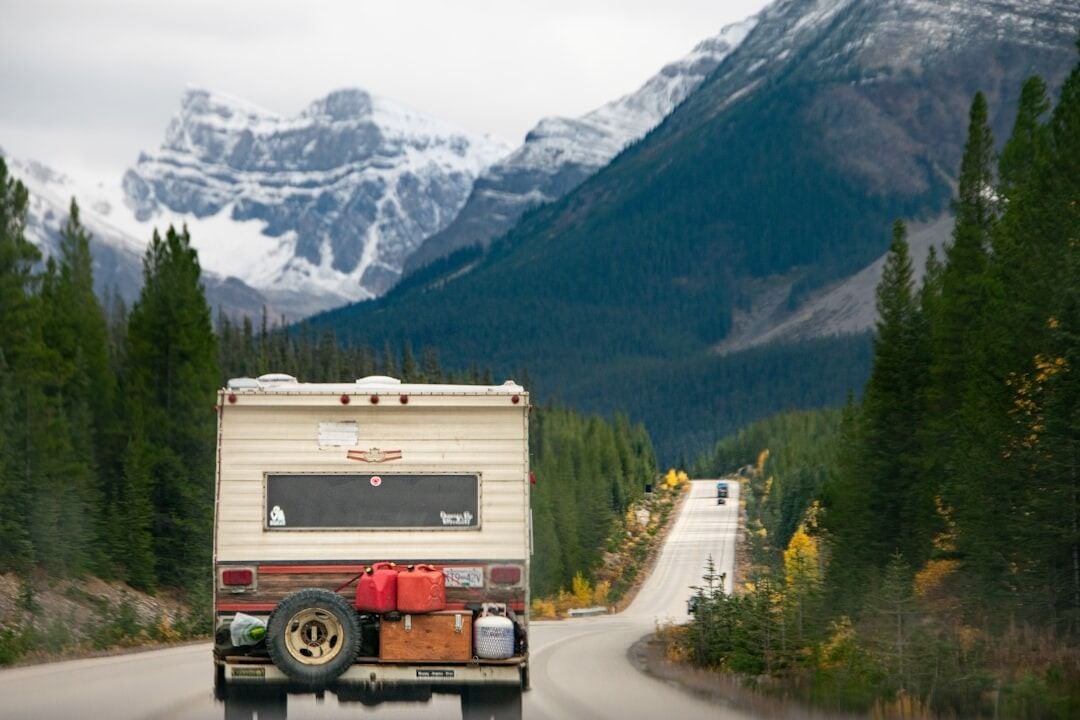
Small, steady choices make the biggest difference. Drive at a calm highway pace, keep tires set to real-world loads, and make sure the engine can breathe through a clean filter. Trim weight, tidy airflow, and watch temps so the power you already have stays available when grades get long. Pair those habits with simple maintenance and focused upgrades, and your coach will feel more responsive, run cooler, and sip less fuel over thousands of miles, exactly what long trips demand.

(0) comments
We welcome your comments
Log In
Post a comment as Guest
Keep it Clean. Please avoid obscene, vulgar, lewd, racist or sexually-oriented language.
PLEASE TURN OFF YOUR CAPS LOCK.
Don't Threaten. Threats of harming another person will not be tolerated.
Be Truthful. Don't knowingly lie about anyone or anything.
Be Nice. No racism, sexism or any sort of -ism that is degrading to another person.
Be Proactive. Use the 'Report' link on each comment to let us know of abusive posts.
Share with Us. We'd love to hear eyewitness accounts, the history behind an article.