
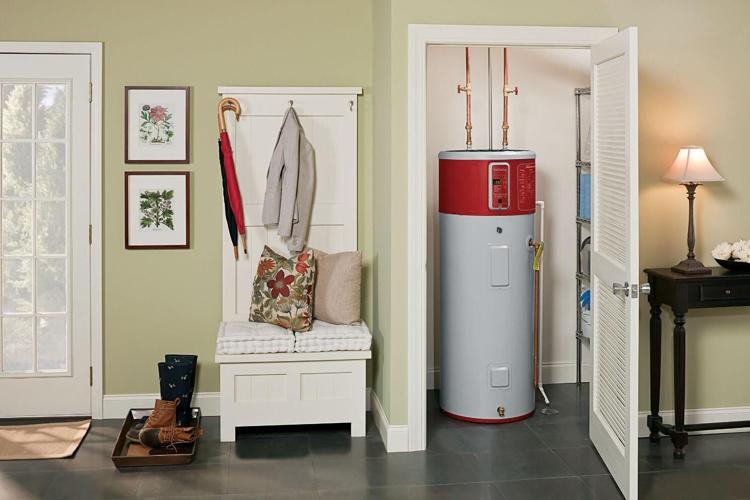

It is a common investment to upgrade a water heater because of an increase in the cost of energy, because a unit is old or because one wants to have a more efficient heater. Although contemporary water heaters are more efficient and less expensive to operate, their initial price may be very high.
In this case rebates will come to play. Home owners are also shocked to know that the utility companies, state programs, and federal incentives can significantly lower the cost of installing a new water heater. Nevertheless, it would be easy to lose track with the rebate process without proper guidance. Knowledge of proper application can either lead to a cash inflow or loss altogether.
Understand Which Rebates Are Available
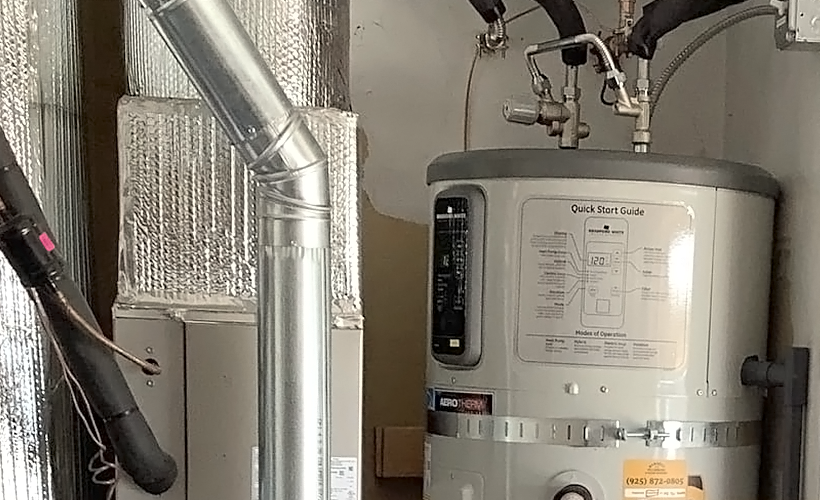
The initial process of claiming the best water heater rebates involves knowing what programs are available in your location. Rebates may be offered by various sources such as local utility companies, state energy-saving programs and federal programs. Such programs tend to vary with time, and therefore, they may result in lost chances when using old information.
Rebates are typically limited to a particular type of water heater, including heat pump water heaters, high efficiency gas models or tankless systems. Eligibility is often based on efficiency ratings, fuel type and standards of installation. Conducting research on available offerings will enable homeowners to find the optimal water heater rebates that can meet the budget and household requirements and then purchase the water heater.
Choose a Qualifying Water Heater Model
Not all water heaters would receive a rebate. Rebate programs usually have the unit to comply with minimum standards of efficiency, which are usually measured by ENERGY STAR certification or similar criteria. The acquisition of a non-qualifying model, which may still be new, may lead to a rebate application being rejected.
Homeowners must ensure they review the requirements of rebates thoroughly and when it is available, they need to ensure that the desired model features in the approved product lists before a purchase. Manufacturers typically give specifications in detail though it is better to always consult with the rebate company or power company. Learn more here.
Verify the Installation Requirements
There are usually installation requirements that must be met as part of rebate programs. Some need to be installed by a skilled professional, and others may need certain electrical or gas upgrades. One of the main reasons rebate requests are turned down is because the work wasn't done right.
Homeowners should check to see if permits are needed and make sure that the work follows the rules set by the local building department. A lot of rebate programs also need proof that the work was done, like bills or forms signed by a contractor. Making sure of these things ahead of time speeds up the application process and keeps it from being held up.
Maintain Document Organization
Filling out papers is needed to apply for water heater rebates, and missing paperwork can slow down or cancel a claim. People who own their own homes should keep copies of their purchase records, installation invoices, serial numbers, efficiency labels, and any rebate program-required forms.
Also, remember when things are due. Some refunds need to be sent in within a certain amount of time after installation, sometimes in just 30 or 60 days. Making a simple list and keeping all the papers together will make sure that nothing is missed when it's time to send in the application.
Carefully and Fully Submit the Application
Once everything is in order, the application should be carefully filled out. Errors like missing signatures, wrong model numbers, or sections that aren't full can slow down the process or cause it to be rejected. You can avoid having to wait weeks by taking a few extra minutes to look over the application before sending it in.
Many schools now let you send in your work online, which can cut down on the time it takes to process. But even digital applications often need you to share clear copies of your documents. Making sure files can be read and have the right labels helps avoid follow-up requests that can slow down acceptance.
Understand the Timeline for Receiving Rebates
Rebates are not immediate savings. Applications are looked over, checked, and accepted after they are sent in before payment is made. It could take a few weeks to a few months, based on the program and how many people want to use it.
Having this plan helps you set reasonable goals. People who own their own homes should plan their funds as if the rebate will not come right away. Status tracking is available for some programs, so applicants can see how things are going and quickly react if more information is needed.
(0) comments
We welcome your comments
Log In
Post a comment as Guest
Keep it Clean. Please avoid obscene, vulgar, lewd, racist or sexually-oriented language.
PLEASE TURN OFF YOUR CAPS LOCK.
Don't Threaten. Threats of harming another person will not be tolerated.
Be Truthful. Don't knowingly lie about anyone or anything.
Be Nice. No racism, sexism or any sort of -ism that is degrading to another person.
Be Proactive. Use the 'Report' link on each comment to let us know of abusive posts.
Share with Us. We'd love to hear eyewitness accounts, the history behind an article.