
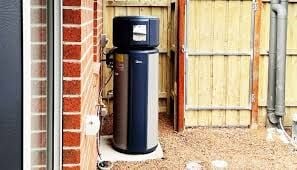
This guide breaks down what to do when your hot water system dies — from identifying the cause to finding a licensed plumber and managing the unexpected cost of replacement.
How to Tell if Your Hot Water System Has Failed
Before assuming the worst, it’s worth checking whether the system has actually failed or if it’s a simpler issue that can be fixed without replacing the unit.
Check the power or gas supply.
If you have an electric system, make sure the circuit breaker hasn’t tripped. For gas systems, confirm the pilot light is still on and that the gas supply is connected.
Look for leaks or visible damage.
Water pooling around the tank, rust on the unit, or hissing noises are signs that the tank itself might be compromised.
Monitor water temperature and pressure.
If you’re getting lukewarm water, the thermostat or heating element may be faulty. Low pressure could also mean sediment buildup or pipe issues rather than a system failure.
If you’ve checked these and still have no hot water, the system has likely reached the end of its life. Most units last between 8 and 12 years, depending on the type and maintenance history.
Finding a Reputable Plumber Quickly
When a hot water system fails, time is critical. A good first step is to search for licensed plumbers in your area who offer same-day service. Many companies specialize in emergency hot water replacements and can attend within hours.
To ensure you’re dealing with a qualified professional:
Check their licence through your state’s building or plumbing authority website.
Read recent reviews on Google or local directories to confirm reliability.
Ask for a clear quote upfront, including call-out fees and installation costs.
Services like ServiceSeeking, Hipages, or Oneflare can help you compare multiple quotes quickly. Be wary of any plumber who insists on cash-only payment or won’t provide written documentation for the job.
Understanding Replacement Costs
The cost of replacing a hot water system can vary widely depending on the type, size, and installation complexity. On average, homeowners can expect:
Electric hot water systems: $800 – $2,000 (including installation)
Gas systems: $1,000 – $3,000
Heat pump systems: $2,500 – $4,500
Solar systems: $3,000 – $7,000+
If your existing system is an older model, upgrading to a more energy-efficient unit can save money over time through lower running costs. A report on heat‑pump water heaters found they typically consume 60–70% less energy than electric‑resistance water heaters.
Managing the Cost of a Full Replacement
A hot water system failure rarely happens at a convenient time — and certainly not when most people have spare cash sitting around. If you’ve received a quote for a new unit and installation, there are several ways to manage the cost.
Ask about interest-free payment plans.
Many plumbing companies partner with finance providers that let you spread the cost over several months.
Check if your home insurance covers hot water system failure.
Some policies cover sudden system breakdowns or water damage caused by leaks.
Consider a personal loan for emergency home repairs.
When your hot water system fails, you need a solution now. If you've been quoted for a full replacement, looking into short term loans can be a way to get the installation done immediately and avoid prolonged disruption at home.
Explore energy efficiency rebates.
Some state governments and local councils offer rebates for replacing old systems with more efficient ones. For example, under the Victorian Energy Upgrades program, eligible households can claim discounts on heat pumps or solar systems.
Preventing Future Hot Water Emergencies
Once your new system is installed, it’s worth taking a few simple steps to avoid another surprise breakdown:
Schedule annual maintenance with a licensed plumber to check valves, temperature settings, and pressure.
Flush the tank every 6–12 months to remove sediment that can cause corrosion.
Monitor your water quality. Hard water can shorten your system’s lifespan, so consider a filter if needed.
Know your system’s warranty. Keep the paperwork handy in case of faults or premature failure.
Regular maintenance can extend the life of your unit by several years and prevent costly emergencies in the future.
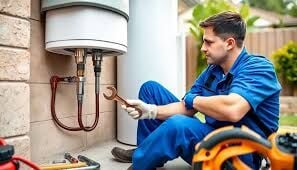
A failed hot water system is one of those household problems you can’t put off. Acting quickly, choosing a trusted plumber, and understanding your financial options can make all the difference between a stressful situation and a smooth replacement process. Whether you pay upfront, use a short-term loan, or access available rebates, getting your hot water running again should be your top priority — especially before those cold winter mornings hit.
(0) comments
We welcome your comments
Log In
Post a comment as Guest
Keep it Clean. Please avoid obscene, vulgar, lewd, racist or sexually-oriented language.
PLEASE TURN OFF YOUR CAPS LOCK.
Don't Threaten. Threats of harming another person will not be tolerated.
Be Truthful. Don't knowingly lie about anyone or anything.
Be Nice. No racism, sexism or any sort of -ism that is degrading to another person.
Be Proactive. Use the 'Report' link on each comment to let us know of abusive posts.
Share with Us. We'd love to hear eyewitness accounts, the history behind an article.