
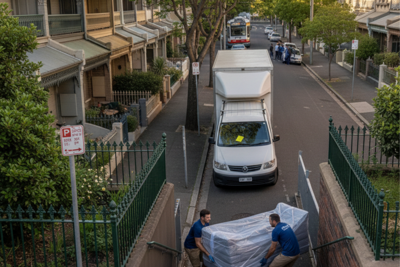

The fastest way to plan your interior design before moving is to create an accurate floor plan, define your design style, build a digital mood board, and map furniture placement using exact measurements. This sequence removes guesswork, prevents costly purchases, and ensures the new home functions well from day one.
Pre-planning reduces removalist volume, shortens unpacking time, and eliminates layout mistakes. Most design inefficiencies occur when furniture is bought without checking clearances, walking flow, or natural-light behaviour. A structured interior design workflow avoids these errors and helps every room support your lifestyle immediately after moving in.
Why Planning Interior Design Before Moving Saves Money and Stress
Planning early ensures the home layout, colour palette, and furniture dimensions are correct before any items are transported. According to Australian moving companies — including leading moving companies in Melbourne, VIC — and global interior design organisations like the American Society of Interior Designers (ASID), homeowners commonly overspend when buying furniture without accurate room data.
Pre-designing avoids mismatched pieces, reduces duplicate purchases, and removes items that will not fit the new floor plan. In small apartments or high-density housing, planning ahead also prevents blocked doorways, tight circulation paths, and furniture that restricts walkways.
Step 1: Analyse Your New Floor Plan With Exact Measurements
Start with a precise floor plan. The essential entities are room dimensions (in metres or millimetres), ceiling height, door swing direction, window positions, lighting points, power outlets, and fixed architecture such as built-in wardrobes, HVAC units, and kitchen joinery.
Request the digital plan from your real estate agent, property developer, builder, or strata management. If none is available, measure manually using a laser distance measurer for accuracy.
Photograph corners, windows, and built-ins so you can confirm proportions later.
This prevents buying oversized sofas, king beds for small rooms, or dining tables that limit walkway clearance.
Step 2: Define Your Interior Design Style and Colour System
A clear design direction prevents impulse buying. Common style frameworks include Scandinavian, Modern Minimalist, Mid-Century Modern, Japandi, Industrial, Contemporary Luxury, and Transitional.
Choose a core palette of two to three base colours for architectural elements such as walls, floors, and large furniture. Add accent colours for textiles, decor, and lighting fixtures.
Use colour-theory principles such as the 60-30-10 rule to maintain balance. For example, light neutrals work best in low-light rooms, while warmer tones complement northern-facing homes in Australia that receive cooler indirect light.
Step 3: Build a Digital Mood Board
A mood board allows you to test your design direction visually.
Use digital platforms such as Pinterest, Canva, Adobe Express, Milanote, or Foyr Neo.
Include entity-specific elements such as upholstery fabrics, flooring types (timber, engineered wood, vinyl plank, porcelain tile), stone finishes (quartz, marble, granite), metal trims, lighting shapes, and furniture silhouettes.
This helps you identify inconsistencies before purchasing. For example, a curved sofa rarely complements sharp industrial elements unless materials are harmonised.
Step 4: Plan Furniture Placement Using Exact Room Data
This step determines the home’s long-term function.
Use apps like Room Planner, Floorplanner, SketchUp, MagicPlan, Homestyler, or IKEA Place (AR-based) to insert furniture models with correct dimensions.
Living Room Layout
Map sofa depth, rug size, TV viewing distance, coffee-table clearance, and walkway flow.
Most functional living rooms maintain at least 75–90 cm of circulation space.
Bedroom Layout
Check that bed frames do not block wardrobes or doors.
Standard bedside clearance is around 60 cm for comfortable movement.
Kitchen and Dining Zones
Confirm chair pull-out space (approximately 90 cm), appliance door swing, fridge ventilation clearance, and prep zone access.
Digital layout tools ensure proportion accuracy and reduce returns or redesigns.
Step 5: Declutter and Edit Your Current Furniture
Once the layout is confirmed, evaluate each existing item.
Ask whether each piece fits the new measurements, matches the design style, and merits transport cost. Many homeowners reduce removalist fees by eliminating oversized, damaged, or style-incompatible items.
Donate, sell, or recycle items that will not integrate into the planned interior.
Step 6: Create a Lighting Plan Before Moving
Lighting influences visual comfort and mood.
Plan three layers:
Ambient lighting – ceiling pendants, downlights, track lighting.
Task lighting – desk lamps, kitchen under-cabinet LEDs, reading lamps.
Accent lighting – wall sconces, LED strips, floor lamps.
Check natural-light patterns by reviewing window orientation and sun exposure.
South-facing rooms (in the Southern Hemisphere) often require warmer artificial lighting.
Step 7: Define Storage Systems Early
Plan built-in shelves, under-bed drawers, modular wardrobes, entryway consoles, kitchen vertical storage, and bathroom organisers before moving day.
Well-planned storage reduces clutter and prevents the need for last-minute containers that disrupt your visual aesthetic.
In compact apartments, using ceiling-height joinery increases usable volume without affecting floor space.
Step 8: Create a Budget and Purchase Priority List
Divide spending into essential categories:
Core furniture (sofas, beds, dining sets)
Lighting fixtures
Window treatments (curtains, sheers, roller blinds)
Paint or wallpaper
Appliances
Textiles and decor
Prioritise structural or high-impact pieces first. For example, a supportive mattress or durable sofa influences comfort more than decor items.
Step 9: Schedule Deliveries Strategically
Even when furniture is pre-selected, arrange delivery after move-in.
This prevents movers from navigating around boxes, reduces damage risk, and ensures items are placed in the intended layout.
Deliver large furniture in the first wave.
Add decor, textiles, plants, and accessories in later phases.
Step 10: Prepare a Move-In Design Checklist
A design checklist keeps the setup smooth. Include:
Paint and finish selections
Fixture changes
Curtain or blind measurements
Furniture list with final dimensions
Lighting plan
Room-by-room layout
Decor and textile priorities
Keep the checklist on your phone or printed for easy reference on moving day.
Move-In Ready: How Planning Transforms Your New Home
Interior design planning before moving creates a functional, cohesive, and efficient home from the first day.
By analysing your floor plan, choosing a clear design direction, building a mood board, and using layout tools, you avoid costly mistakes and reduce moving stress.
Whether you're moving into an apartment or a large family home, a design-first workflow ensures your new space supports your lifestyle immediately—and evolves smoothly as you settle in.
FAQs
How do I design my home before moving in?
The most reliable way to design your home before moving is to start with an accurate floor plan, define your style and colour palette, then test furniture layouts in digital tools before you buy anything.
Measure every room (including wall lengths, ceiling heights, window and door positions, and power points) and request a digital plan from your agent or builder if possible. Once you know the exact dimensions, choose a clear design direction (e.g. Scandinavian, Japandi, Modern Minimalist) and select a core palette of 2–3 base colours plus 1–2 accent colours. Build a digital mood board using tools like Pinterest, Canva, or Milanote to check that furniture shapes, materials, and finishes work together. Finally, use floor-planning or AR apps (Room Planner, Floorplanner, MagicPlan, Homestyler, IKEA Place) to drop in correctly sized sofas, beds, dining tables, and storage pieces so you can confirm walking paths, door clearances, and viewing distances before you commit to any purchases.
What should I prepare first when decorating a new house?
The first three things to prepare are accurate measurements, a floor plan, and your overall design style.
Start by measuring each room, including wall-to-wall dimensions, window heights, door swings, and any fixed elements like wardrobes or kitchen joinery. Convert these into a simple floor plan (or upload them to a digital planning app) so you can see how the space actually works. Next, decide on one main design direction for the whole home so you are not mixing conflicting styles room by room. Once these are set, choose major furniture pieces—sofa, dining table, beds, and wardrobes—based on function and fit, and only then add textiles, decor, and accessories. This order prevents buying items that are the wrong size or style and keeps your budget focused on high-impact pieces first.
How can I make my new home look cohesive?
The fastest way to make a home look cohesive is to limit your colour palette to 3–5 shades and repeat the same materials, finishes, and shapes throughout every room.
Choose one dominant base colour (for walls and large furniture), one secondary colour (for cabinetry, rugs, or feature pieces), and one or two accent colours (for cushions, art, and smaller decor). Keep metals consistent—e.g. all black and brushed nickel, or all brass and warm bronze—so hardware, lighting, and handles align visually. Repeat 2–3 main materials (such as light oak, white laminate, and textured boucle) in multiple rooms so the eye recognises a pattern as you move through the space. Maintain proportional consistency by matching furniture scale to room size: deeper sofas and larger tables in bigger rooms, slimmer frames and leggy furniture in compact areas. When colour, material, and proportion are controlled, the home reads as one intentional design instead of a collection of random pieces.
Should I buy furniture before or after moving?
You should only buy furniture after you have confirmed exact measurements and layouts using a floor plan or planning app.
Pre-selecting items is fine, but wait to finalise orders until you have checked their length, width, depth, and height against your room dimensions, doorways, lifts, and stairwells. Use a digital layout tool or scaled drawing to ensure there is at least 75–90 cm of walking space around key areas, doors can open fully, and wardrobes and drawers can be accessed without obstruction. This approach prevents expensive mistakes like sofas that cannot fit through doors, dining tables that block circulation, or beds that cover power outlets and windows. If lead times are long, you can place orders once you have validated measurements and layouts, then schedule delivery shortly after move-in.
Which tools should I use for layout planning?
The most practical layout-planning tools are Room Planner, Floorplanner, MagicPlan, Homestyler, SketchUp, and AR-based apps like IKEA Place.
Room Planner / Floorplanner / Homestyler: Great for beginners, these let you import or draw floor plans, add doors and windows, and drop in furniture from built-in libraries with editable dimensions.
MagicPlan: Uses your phone’s camera and sensors to generate floor plans from scans, ideal if you do not have builder drawings.
SketchUp: More advanced but extremely powerful for 3D modelling, testing built-ins, and visualising complex spaces.
IKEA Place and other AR apps: Use augmented reality to preview real-size furniture in a room through your phone, helping you check scale and fit.
Whichever tool you choose, always enter exact room measurements and furniture dimensions so circulation paths, TV viewing distances, and clearances are accurate—not estimates.
How do I choose the right furniture sizes?
Choose furniture sizes by matching dimensions to room scale and following minimum clearance rules: aim for at least 75–90 cm of walking space around major pieces.
Key guidelines:
Sofa: Seat depth around 90–100 cm for lounging; leave 40–50 cm between sofa and coffee table; maintain 2–3 times the screen height as TV viewing distance (e.g. 1.8–2.4 m for a 55" TV).
Rug: In a living room, the rug should sit under the front legs of the sofa and chairs; in a bedroom, aim for at least 60 cm of rug extending around the sides of the bed where feet land.
Dining table: Allow about 60 cm width per person and 90 cm from the table edge to the nearest wall or furniture so chairs can pull out comfortably.
Bed: Ensure at least 60 cm clearance on each accessible side for walking, plus enough room for doors and wardrobe doors to swing open.
Always compare furniture dimensions to your floor plan and map them in a layout app to confirm that proportions feel balanced and movement paths are unobstructed.
How do I create a cohesive look with colour, materials, and lighting?
Use one main colour palette, 2–3 core materials, and a three-layer lighting plan (ambient, task, accent) to unify the entire home.
Start with a base of neutrals for walls and large pieces, then add one accent colour family—warm terracotta, muted blue, or sage green, for example—and repeat it in textiles, art, and accessories. Limit materials to a small set, such as light timber, white joinery, and black metal, and bring them into every room so the space feels connected. For lighting, install:
Ambient lighting (ceiling fixtures, downlights) to provide overall illumination.
Task lighting (desk lamps, under-cabinet strips, bedside lamps) for reading, cooking, and work zones.
Accent lighting (wall sconces, LED strips, picture lights) to highlight artwork, niches, or architectural features.
Use warmer colour temperatures (around 2700–3000K) in living and bedroom areas for comfort, and slightly cooler light (3000–4000K) in kitchens and workspaces for clarity. When colour, materials, and lighting are planned as one system rather than as separate purchases, the home looks intentionally designed instead of assembled over time.
How can interior design planning reduce moving costs?
Thoughtful design planning can reduce moving costs by cutting the volume of items you transport by 20–40% and avoiding wasteful purchases that later need replacing.
Once you have a confirmed floor plan and layout, assess every existing piece of furniture and decor against three criteria:
Fit: Does it physically fit the new room and layout without blocking doors, windows, or walkways?
Function: Does it serve a real purpose in the new home (storage, seating, work, dining)?
Style: Does it match the new design direction and colour palette?
Anything that fails these tests can be sold, donated, or recycled before moving day, which directly reduces removalist hours, truck size requirements, and packing materials. Planning built-in storage and multifunctional furniture in advance (e.g. beds with drawers, lift-top coffee tables, entry benches with storage) also prevents last-minute purchases of extra cabinets or plastic containers after the move. The result is a smaller, more efficient load to move, a lower removalist quote, and a home that feels organised from day one.


(0) comments
We welcome your comments
Log In
Post a comment as Guest
Keep it Clean. Please avoid obscene, vulgar, lewd, racist or sexually-oriented language.
PLEASE TURN OFF YOUR CAPS LOCK.
Don't Threaten. Threats of harming another person will not be tolerated.
Be Truthful. Don't knowingly lie about anyone or anything.
Be Nice. No racism, sexism or any sort of -ism that is degrading to another person.
Be Proactive. Use the 'Report' link on each comment to let us know of abusive posts.
Share with Us. We'd love to hear eyewitness accounts, the history behind an article.