
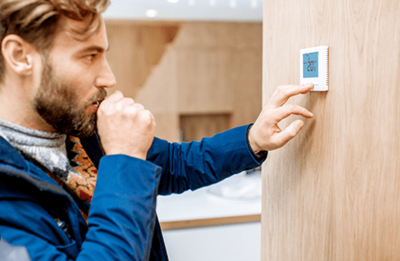

Heating systems have an uncanny sense of timing. They rarely fail on a mild afternoon when everyone has time to calmly look for the manual. They wait for the first truly cold night, preferably when someone is already wearing socks to bed and questioning every life choice that led to homeownership.
The good news is that many winter heating problems begin with simple issues homeowners can check before calling for service. A thermostat setting, dirty filter, blocked vent, tripped breaker, or neglected maintenance habit can make a heating system act far more dramatic than the problem deserves.
Knowing how to troubleshoot heating system problems can help restore comfort faster, prevent unnecessary service calls, and make it clearer when a professional is truly needed. For homeowners who want to stay ahead of seasonal maintenance, FINE’s guide to the benefits of routine heating and air conditioning maintenance is a useful companion because heating trouble is always easier to prevent than explain while standing in a cold hallway.
Start With the Thermostat
The thermostat is the simplest place to begin, and also the easiest thing to overlook. Before assuming the furnace, boiler, or heat pump has failed, confirm that the thermostat is set to “Heat,” the temperature is set higher than the current room temperature, and the fan setting is where you want it.
If the thermostat uses batteries, replace them. Weak batteries can cause confusing readings or prevent the system from responding properly. For smart thermostats, check Wi-Fi settings, schedules, eco modes, and app-based temperature holds. Sometimes the system is not broken. It is simply obeying a schedule someone programmed in October and forgot immediately.
Check the Air Filter Before Anything Else
A dirty filter is one of the most common causes of heating trouble. When a filter becomes clogged, airflow drops. The system has to work harder to move warm air through the home, which can reduce comfort, raise energy use, and contribute to overheating or shutdowns.
ENERGY STAR recommends inspecting, cleaning, or changing air filters monthly in central air conditioners, furnaces, and heat pumps, noting that a dirty filter can increase energy costs and damage equipment over time. The U.S. Department of Energy also recommends replacing furnace and heat pump filters once a month or as needed during the heating season.
Filter needs vary by home. Pets, dust, nearby construction, wildfire smoke, heavy use, and thicker filter types can all change how often replacement is needed. If the filter looks gray, dusty, bowed, or packed with debris, it is not adding charm. Replace it.
Look at Vents, Registers, and Airflow
Even a working heating system cannot warm a room properly if the air has nowhere to go. Walk through the home and make sure supply vents are open and not blocked by furniture, rugs, curtains, pet beds, laundry baskets, or the decorative chair nobody sits in but everyone keeps moving around.
Blocked airflow can create uneven heating and force the system to work harder than necessary. Return vents matter too. If return air grilles are covered or clogged with dust, the system may struggle to circulate air efficiently. Vacuuming grilles and keeping furniture away from vents can make a noticeable difference.
Inspect the Circuit Breaker and Power Switch
Heating systems need electricity, even when they run on gas. The blower motor, ignition system, thermostat connection, safety controls, and circuit board all rely on power. If the heat suddenly stops, check the electrical panel for a tripped breaker.
Reset a tripped breaker only once. If it trips again, stop. Repeatedly resetting a breaker can point to an electrical problem that needs professional attention. Also look for a furnace power switch near the unit. It can resemble a regular light switch, which means it can be accidentally turned off by someone trying to be helpful. This is how families are built.
Know What Short Cycling Means
Short cycling happens when a heating system turns on and off too frequently. The home may never feel warm, and the equipment may sound as if it is constantly trying and giving up. Common causes include dirty filters, blocked vents, thermostat problems, oversized equipment, overheating, or faulty components.
If changing the filter, opening vents, and confirming thermostat settings do not solve the issue, short cycling should be inspected by a professional. Ignoring it can increase wear on the system and shorten equipment life.
Pay Attention to Strange Heating System Noises
Heating systems are not silent, but they should not sound like a small appliance rebellion. Banging, grinding, screeching, rattling, booming, or persistent clicking can all indicate a problem.
Some sounds may be harmless expansion in ductwork, but others can signal ignition issues, loose parts, blower motor problems, belt wear, or failing components. If a sound is new, loud, recurring, or getting worse, do not ignore it. Mechanical problems rarely improve because everyone decided to pretend they did not hear them.
Watch for Heat That Runs Constantly but Does Not Warm the Home
A heating system that runs nonstop but never reaches the set temperature may be dealing with restricted airflow, leaky ducts, poor insulation, thermostat issues, dirty components, or equipment that is struggling to keep up with the weather.
Heat pumps may also run differently during cold snaps, especially when outdoor temperatures drop significantly. Some systems use auxiliary or emergency heat under certain conditions. If the system is running constantly and the home still feels cold, note what you see on the thermostat and whether the outdoor unit appears frozen or blocked before calling for service.
Do Not Ignore Carbon Monoxide Safety
Any home with fuel-burning equipment needs carbon monoxide awareness. The CDC warns that gas- and oil-burning furnaces can produce carbon monoxide, an invisible and odorless gas that can be deadly. CDC winter safety guidance also recommends installing a battery-operated carbon monoxide detector and leaving the home immediately and calling 911 if a CO detector sounds.
Never use a gas oven to heat the house, never run a generator indoors or near windows, and do not ignore symptoms such as dizziness, nausea, headache, weakness, or confusion when carbon monoxide exposure is possible. A warm house is not worth taking safety shortcuts.
Check Around the Outdoor Unit if You Have a Heat Pump
If your home uses a heat pump, the outdoor unit needs room to breathe. Snow, ice, leaves, debris, or overgrown landscaping can block airflow and reduce performance. During winter, make sure the unit is clear and that air can move freely around it.
A light frost on a heat pump can be normal in cold weather, but heavy ice buildup or a unit that remains frozen may indicate a problem. Do not chip ice off with sharp tools. Turn the system off if necessary and call a qualified HVAC technician.
Use Maintenance to Prevent the Worst Winter Surprises
The best time to deal with heating problems is before the house is cold. ENERGY STAR recommends a yearly tune-up of heating and cooling equipment to improve efficiency and comfort, along with regular filter changes and duct sealing where needed.
Early-season testing is simple. Turn the heat on before the first major cold spell. Listen for strange noises, check whether warm air reaches each room, replace the filter, confirm thermostat settings, and make sure vents are clear. If something seems off, schedule service before every neighbor in town is trying to do the same thing.
When to Call a Professional
Some heating issues are not homeowner projects. Call a qualified HVAC technician if the system will not turn on after basic checks, the breaker keeps tripping, the unit short cycles repeatedly, there are burning smells, gas odors, loud mechanical noises, heavy ice on a heat pump, suspected carbon monoxide concerns, or uneven heat that does not improve with airflow adjustments.
Professional service is also important for combustion safety, heat exchanger concerns, ignition problems, electrical faults, refrigerant issues in heat pumps, and system performance testing. A homeowner can change a filter. A homeowner should not try to diagnose a cracked heat exchanger with confidence and a flashlight from the junk drawer.
Quick Heating Troubleshooting Checklist
- Confirm the thermostat is set to “Heat.”
- Raise the temperature setting above the current room temperature.
- Replace thermostat batteries if needed.
- Check for smart thermostat schedules or eco modes.
- Inspect and replace the air filter.
- Open blocked vents and registers.
- Make sure return vents are clear.
- Check the circuit breaker and reset it once only.
- Look for a furnace power switch that may be off.
- Clear debris around outdoor heat pump units.
- Listen for unusual noises.
- Call a professional if problems continue.
The Bottom Line on Winter Heating Problems
Learning how to troubleshoot heating system problems gives homeowners a calmer, smarter way to respond when the house suddenly feels cold. Many issues start with basic causes: thermostat settings, dirty filters, blocked vents, power interruptions, or overdue maintenance.
The key is knowing where basic troubleshooting ends and professional service begins. Simple checks can restore heat and save time, but electrical issues, repeated shutdowns, fuel-burning equipment concerns, carbon monoxide risks, and persistent mechanical problems should always be handled by trained technicians.
A winter-ready home is not one that never has a problem. It is one where small problems are caught early, safety comes first, and nobody has to wear a parka indoors while pretending the thermostat is just “thinking about it.”


(0) comments
We welcome your comments
Log In
Post a comment as Guest
Keep it Clean. Please avoid obscene, vulgar, lewd, racist or sexually-oriented language.
PLEASE TURN OFF YOUR CAPS LOCK.
Don't Threaten. Threats of harming another person will not be tolerated.
Be Truthful. Don't knowingly lie about anyone or anything.
Be Nice. No racism, sexism or any sort of -ism that is degrading to another person.
Be Proactive. Use the 'Report' link on each comment to let us know of abusive posts.
Share with Us. We'd love to hear eyewitness accounts, the history behind an article.