
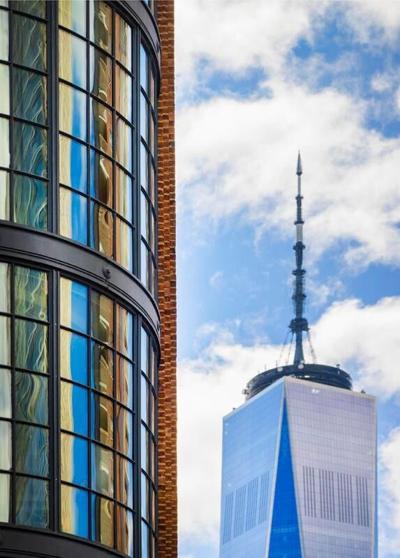

Glass-heavy architecture is becoming increasingly popular as homeowners and designers seek ways to create bright, open, and visually striking living spaces. Modern homes are moving away from heavy walls and smaller windows in favor of expansive glass panels that allow natural light to fill interior spaces.
Many contemporary glass homes showcase this design philosophy. A feature highlighted by Yahoo Finance presents several stunning examples, including homes with full-height glass walls overlooking forests, modern houses with curved glass façades facing the ocean, and sleek residences that use large glass panels to frame panoramic landscapes. These designs demonstrate how glass can transform a building by allowing the surrounding environment to become part of the interior experience.
This growing trend reflects a broader desire to blur the boundary between indoor and outdoor living. Instead of separating the home from nature, modern architecture often embraces transparency and openness. One feature helping to achieve this effect is the curved window. Unlike traditional rectangular windows, curved glazing creates smooth transitions between spaces while offering uninterrupted views of the landscape.
The Shift from Rigid Lines to Fluid Architectural Forms
For much of the 20th century, architecture often relied on straight lines and geometric shapes. While these designs emphasized simplicity and efficiency, they could sometimes feel rigid or mechanical.
In recent years, architects have increasingly explored curved forms to create more fluid and dynamic spaces. Recent architectural analysis notes that designing with curves introduces a unique challenge because curved shapes require careful planning and structural precision. However, these forms can bring a sense of movement and softness that traditional rectilinear designs often lack.
Curved architectural elements—such as sweeping walls, rounded façades, and curved windows—allow buildings to feel more organic and expressive. Rather than imposing strict geometric forms onto a site, these designs respond to the surrounding environment and create spaces that flow naturally from one area to another.
Curved windows play a key role in this shift toward fluid architecture. Their smooth shapes help soften the edges of modern buildings while adding visual interest and sophistication.
What Curved Windows Are and How They Are Manufactured
Curved windows are glass panels that have been shaped into a gentle arc or continuous curve rather than remaining flat. These windows are designed to follow the contours of a building’s architecture, allowing designers to create sweeping glass walls, rounded corners, or panoramic window features. Crafting curved windows requires a careful combination of technical skill and creative design. The process begins with selecting high-quality glass that offers both clarity and structural strength. The glass is then heated in specialized furnaces until it becomes flexible enough to bend. Once softened, it is carefully molded into the desired shape. After cooling, the glass retains its curved form while maintaining durability and stability.
This precise process allows manufacturers to create custom curved windows tailored to specific architectural designs.
Installation Considerations and Costs
Installing curved windows requires expertise and careful planning. Because each curved panel is typically custom-made, accurate measurements are essential to ensure the glass fits perfectly within the building’s structure.
Specialized framing systems are often needed to support curved glass panels. Architects and contractors must also consider factors such as structural load, insulation performance, and weather resistance.
Due to the complexity of manufacturing and installation, curved windows generally cost more than standard flat windows. However, many homeowners view the investment as worthwhile because of the dramatic visual impact and architectural uniqueness curved glazing can provide.
Working with experienced architects, engineers, and glazing specialists helps ensure that curved windows are installed safely and perform efficiently over time.
Why Modern Designers Favor Curved Glazing
Curved windows have become increasingly popular among architects because they allow for greater design flexibility and creativity. Instead of being limited to rigid rectangular shapes, designers can experiment with flowing lines and sculptural forms.
Curved glazing also complements contemporary architectural trends that emphasize openness, transparency, and natural light. By eliminating sharp corners and rigid divisions, curved windows help spaces feel more connected and inviting.
Another advantage is their ability to create striking visual statements. A sweeping curved window wall can instantly become the focal point of a home or building, transforming the structure into a modern architectural landmark.
How Curved Windows Enhance Natural Light and Panoramic Views
One of the most appealing benefits of curved windows is their ability to maximize natural light. Because curved surfaces can capture sunlight from multiple angles throughout the day, they often allow more daylight to enter a building than flat windows.
This increased light can brighten interior spaces while reducing the need for artificial lighting during daytime hours.
Curved windows also enhance views of the surrounding environment. Their continuous surfaces eliminate the visual interruptions often created by window frames or sharp corners. This allows occupants to enjoy wider panoramic views of landscapes, gardens, oceans, or city skylines.
For homes located in scenic areas, curved glazing can create the feeling of living within the landscape itself.
Examples of Modern Buildings Using Curved Window Walls
Several notable buildings demonstrate the striking effect of curved glass windows.
One example is the Apple Park Visitor Center in California, where curved glass walls form part of the building’s sleek circular design. The transparent structure allows visitors to enjoy views of the surrounding landscape while highlighting the building’s futuristic aesthetic.
Another example is the Harbin Opera House in China, designed by MAD Architects. This dramatic structure features flowing curves inspired by the surrounding snowy landscape. Large curved glass panels allow natural light to enter the interior while maintaining the building’s sculptural shape.
A third example is the Elbphilharmonie in Hamburg, Germany. The concert hall’s upper structure features curved glass façades that reflect the nearby harbor and sky. These sweeping glass forms help the building stand out as a modern architectural icon.
Curved windows are rapidly becoming a defining feature of modern architecture. As designers move away from rigid geometric forms, curved glazing offers a way to create fluid, expressive structures that feel connected to their surroundings.
From glass houses overlooking natural landscapes to dramatic cultural landmarks, curved windows enhance natural light, expand panoramic views, and introduce a sense of architectural elegance.
For homeowners planning renovations or new construction projects, curved windows provide an exciting opportunity to combine innovation, beauty, and functionality—helping shape the future of modern home design.

(0) comments
We welcome your comments
Log In
Post a comment as Guest
Keep it Clean. Please avoid obscene, vulgar, lewd, racist or sexually-oriented language.
PLEASE TURN OFF YOUR CAPS LOCK.
Don't Threaten. Threats of harming another person will not be tolerated.
Be Truthful. Don't knowingly lie about anyone or anything.
Be Nice. No racism, sexism or any sort of -ism that is degrading to another person.
Be Proactive. Use the 'Report' link on each comment to let us know of abusive posts.
Share with Us. We'd love to hear eyewitness accounts, the history behind an article.