
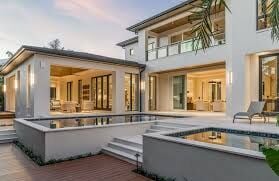
Modern houses are designed to blur the boundary between indoors and outdoors. This approach, known as indoor outdoor living space design, extends the usable square footage and makes homes feel larger, lighter, and more connected to nature. It’s not simply a visual trend but a defining element of contemporary architecture that merges function, comfort, and lifestyle. Whether in coastal regions or urban settings, the focus is on how people live and move through their spaces. This article explains what indoor outdoor living really means, why it matters in modern house plans, and how thoughtful architectural designs bring the concept to life.
What Indoor, Outdoor Living Actually Means in Modern Home Design
As any architect from Naples FL, will confirm, true indoor outdoor living goes beyond adding a deck or patio. It’s about merging spaces so they function as one. A well-planned home doesn’t just have access to the outdoors, it integrates it into everyday routines. This approach is built on three pillars: connection, flow, and function. Connection starts with aligned sightlines, glass doors, open layouts, and framed views that visually extend interior rooms. Flow comes from practical circulation, like wide doors and flush thresholds that allow people to move easily between zones. Function completes the equation by ensuring outdoor areas serve daily use, not just special occasions. When designed this way, the home feels cohesive, balanced, and inviting year-round.
Why This Approach Became the Signature of Modern Houses
Modern houses prioritise this design philosophy because it aligns with how people live today. Open, flexible spaces allow for casual entertaining and adaptable routines, while also enhancing natural light and air circulation. Daylight and greenery have measurable benefits for mental and physical wellbeing, which is why indoor outdoor layouts often include plants, natural textures, and outdoor views framed like artwork. From a market perspective, indoor outdoor connectivity also increases appeal and resale value. Homebuyers are drawn to architecture that feels expansive and effortless. These benefits don’t happen by accident, they’re the result of intentional house plans and careful orientation. The best designs optimise exposure, minimise glare, and balance aesthetics with comfort.
Core Design Principles That Make Indoor, Outdoor Feel Seamless
The key to a successful indoor outdoor living space design lies in small but essential architectural decisions. Sightlines and orientation should guide the eye from interior focal points to exterior ones, like a tree, garden wall, or water feature. Architectural designs that use consistent geometry or repetition, such as beams or slatted screens, help maintain harmony between spaces. Openings and thresholds are equally important. Large format sliding doors, bifolds, or French doors expand rooms visually, but it’s the threshold detailing that makes them work day to day. A level transition ensures accessibility and smooth flow, while proper drainage prevents water intrusion. Material continuity is another principle: matching tones or textures between interior floors and exterior pavers creates a unified surface. Extending ceiling lines outdoors through soffits or pergolas maintains rhythm and scale. Finally, lighting acts as the glue that binds everything together. Warm, layered exterior lighting, ambient, task, and path, lets the outdoor area feel like an extension of the living room after dark.
Designing the Outdoor Area Like a Real Room
Outdoor areas should be planned as intentional “rooms,” not leftover space. Think in zones defined by use, not size. A dining zone positioned near the kitchen, a lounge zone aligned with the living area, or a quiet corner for reading and work can make even a small yard functional. Simple tools like furniture layout, planters, low walls, and outdoor rugs define edges and purpose. House plans that treat the patio or deck as part of the home’s circulation flow naturally create cohesion. The more the exterior mirrors the logic of the interior, the more natural the transition feels.
Comfort, Durability, and Performance Details That Matter
A stunning indoor outdoor concept can quickly lose appeal if comfort and durability are ignored. Sun control is crucial, pergolas, louvers, or trees can filter light and prevent overheating. Privacy screens, hedges, or frosted glass panels create intimacy without closing off views. Wind and insects can be managed with retractable screens, ceiling fans, or planted windbreaks. Every material should be exterior rated: fabrics should resist UV damage, metals should be corrosion resistant, and flooring should have a slip resistant finish. These details aren’t decorative, they determine how usable the space will be across seasons. Good architecture anticipates these issues early, ensuring performance matches aesthetics.
Final Thoughts
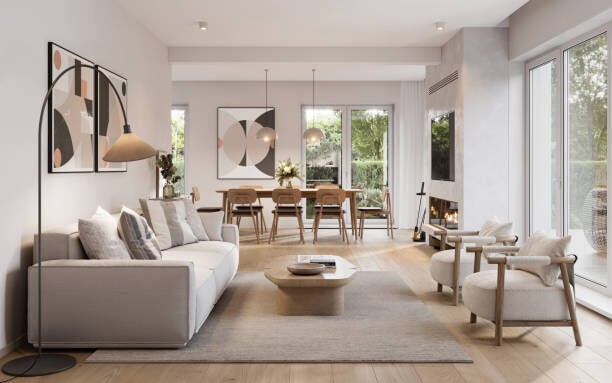
Fully furnished interior of a modern living room generated digitally. 3d render of a contemporary living room interior.
Indoor outdoor living defines the modern house because it transforms how we experience space. It’s not about adding luxury features but about creating daily comfort through connection, flow, and function. Thoughtful architecture, balanced materials, and practical planning make the home feel larger, brighter, and more alive. Start by identifying how you want to live outside, then design transitions, surfaces, and lighting that support that lifestyle. When done well, modern houses with integrated outdoor living aren’t just beautiful, they’re truly livable.


(0) comments
We welcome your comments
Log In
Post a comment as Guest
Keep it Clean. Please avoid obscene, vulgar, lewd, racist or sexually-oriented language.
PLEASE TURN OFF YOUR CAPS LOCK.
Don't Threaten. Threats of harming another person will not be tolerated.
Be Truthful. Don't knowingly lie about anyone or anything.
Be Nice. No racism, sexism or any sort of -ism that is degrading to another person.
Be Proactive. Use the 'Report' link on each comment to let us know of abusive posts.
Share with Us. We'd love to hear eyewitness accounts, the history behind an article.