
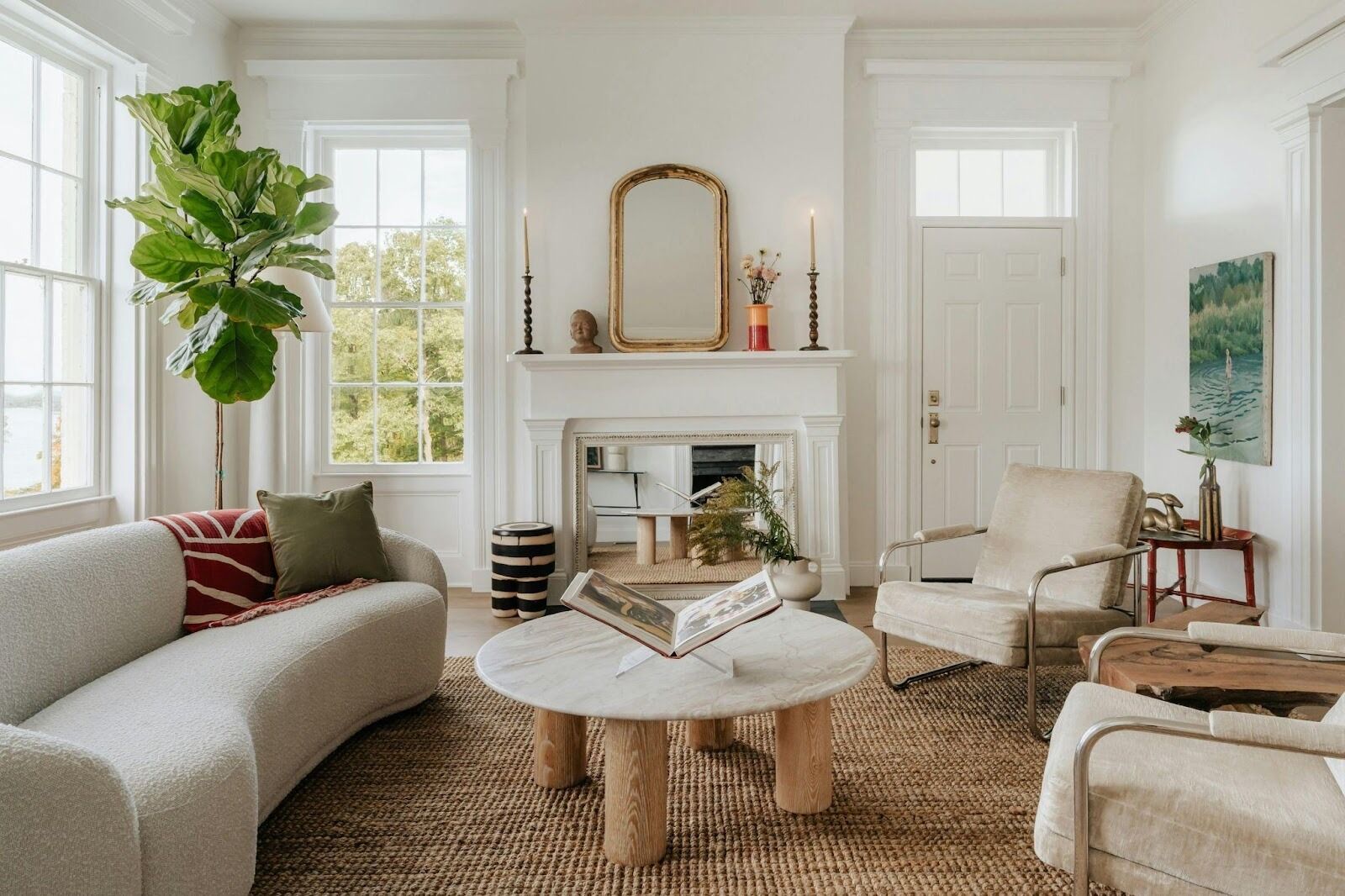
Upgrading furniture in an established home is different from furnishing a new one. The space already works. The routines are set. The wear is honest. The goal is not to replace everything or reset the tone. It is to improve comfort, longevity, and function without disrupting how the home is actually used.
Most homeowners reach this stage after years of living with the same pieces. The furniture still functions, but it no longer supports the way the household lives today. Tastes have matured. Needs have shifted. What once felt fine now feels limiting.
This is where thoughtful upgrades matter.
Why Furniture Needs to Change Over Time
Homes evolve quietly. What worked five or ten years ago may no longer feel right, even if nothing is technically broken.
Seating can lose support. Cushions compress unevenly. Frames loosen. Upholstery fades or wears thin in the same spots. These changes affect comfort long before they become obvious problems.
At the same time, lifestyle shifts play a role. Work patterns change. Entertaining habits shift. Time at home increases or becomes more intentional. Furniture that once suited occasional use now carries daily weight.
Upgrading is less about replacing what looks dated and more about restoring how the space supports daily life.
Start With Function, Not Style
In a well lived in home, style should follow function, not the other way around.
It is tempting to focus on aesthetics first, but this often leads to mismatched upgrades. A new piece may look refined, but if it does not improve comfort or usability, it will feel out of place.
Start by identifying what no longer works.
Is seating less comfortable than it used to be. Do guests avoid certain chairs. Does the sofa no longer support long evenings. Are armrests too low or seats too deep for everyday use.
These issues are signals. They point to where an upgrade will have the most impact.
Understanding Wear Versus Failure
Not all wear means something needs to be replaced. Some wear reflects normal use and can add character. Other wear compromises comfort or structure and should not be ignored.
Surface wear such as softened leather or fabric patina is often acceptable. Structural wear such as sagging seats, unstable frames, or compressed cushions usually is not.
Pay attention to how furniture feels, not just how it looks.
If sitting requires adjustment, added pillows, or frequent repositioning, the piece is no longer doing its job. If standing up feels harder than it should, the seat height or support has likely degraded.
These issues affect daily comfort and should guide upgrade decisions.
Replacing Key Pieces Instead of Everything
A common mistake is attempting to upgrade an entire room at once. This can disrupt the balance of a space that already works well.
Instead, focus on one or two anchor pieces.
In most living areas, the sofa or primary seating does the majority of the work. Upgrading this piece often improves the entire room without requiring additional changes. Once the anchor is updated, other elements tend to fall into place naturally.
This approach allows for continuity. The room retains its identity while gaining improved comfort and performance.
What to Look for When Upgrading Seating
When replacing a key piece in a lived in home, comfort and durability should outweigh novelty.
Seat height should allow easy sitting and standing. Seat depth should support the back without forcing legs forward. Cushion construction should offer support that holds up over time, not just initial softness.
Frame quality matters more now than it did during earlier furnishing stages. A well built frame provides stability, reduces noise, and extends the life of the piece.
These elements are not always obvious at first glance, but they determine how the furniture performs after years of use.
Matching New Pieces With Existing Space
An upgrade should feel intentional, not inserted.
Pay attention to scale. A new piece that is significantly larger or smaller than what it replaces can disrupt flow. Measure carefully and consider how people move through the space.
Consider tone and material weight rather than exact matches. Upholstery does not need to replicate what is already there, but it should feel compatible. Neutral tones, natural materials, and balanced proportions tend to integrate well.
The goal is cohesion, not contrast for its own sake.
Longevity as a Design Choice
In established homes, longevity becomes part of design.
Furniture that holds up over time reduces the need for frequent replacement. It supports consistent comfort. It maintains the character of the home instead of introducing cycles of change.
This is where quality construction and material selection matter most. A piece designed to last supports long term use without becoming a maintenance concern.
Choosing fewer, better pieces often results in a calmer, more functional home.
The Role of Craftsmanship in Daily Comfort
Craftsmanship influences daily experience more than appearance.
Well made seating maintains its shape. Cushions recover properly. Frames remain solid. Upholstery wears evenly. These qualities reduce frustration and increase comfort over time.
This is especially important for primary seating that sees daily use.
Retailers like The Chesterfield Shop focus on construction and material quality that supports long term living. Their pieces are built to handle daily use without sacrificing comfort or structure, making them well suited for homes that are already established.
Avoiding Overcorrection
Upgrading furniture does not require dramatic change.
Overcorrecting by introducing overly modern, overly minimal, or overly bold pieces can make a space feel unfamiliar. This often leads to additional changes that were not planned.
A better approach is refinement.
Improve comfort. Improve materials. Improve fit. Let the space retain its identity while functioning better than before.
This restraint is often what distinguishes thoughtful upgrades from reactive ones.
Knowing When an Upgrade Is Complete
An effective upgrade does not draw attention to itself.
You know it works when sitting feels natural again. When guests settle without hesitation. When the room feels easier to use at different times of day.
The furniture should support daily routines without requiring adjustment or commentary.
At that point, the upgrade has done its job.
Making Choices That Respect the Home
Established homes carry history. Furniture upgrades should respect that history while improving present use.
This means choosing pieces that support real life rather than redefining it. Comfort, durability, and function should guide decisions more than trends or short term appeal.
When upgrades are made with intention, the home feels better without feeling different. That balance is what makes an upgrade successful.
If the space feels easier to live in and less demanding, the work is done.

(0) comments
We welcome your comments
Log In
Post a comment as Guest
Keep it Clean. Please avoid obscene, vulgar, lewd, racist or sexually-oriented language.
PLEASE TURN OFF YOUR CAPS LOCK.
Don't Threaten. Threats of harming another person will not be tolerated.
Be Truthful. Don't knowingly lie about anyone or anything.
Be Nice. No racism, sexism or any sort of -ism that is degrading to another person.
Be Proactive. Use the 'Report' link on each comment to let us know of abusive posts.
Share with Us. We'd love to hear eyewitness accounts, the history behind an article.