
Modern homes feel best when temperatures hold steady from room to room. Steady comfort depends on a tight shell, right-sized equipment, and controls that match your routine. The goal is simple - fewer swings, quieter operation, and bills that stay predictable across the seasons.

Understanding Thermal Balance
Every house fights heat loss in winter and heat gain in summer. Sun, wind, and humidity all tug on that balance, which is why the fix is rarely just a bigger furnace or AC. The U.S. Department of Energy points out that space heating, space cooling, and water heating make up a large share of household energy costs, so improvements that reduce load pay you back on multiple lines.
Start with the big picture. Map how each room behaves through a typical day and note where drafts or hot spots show up. A quick pattern often emerges that leads to targeted upgrades instead of guesswork.
Equipment Options For Steady Comfort
Right-sizing matters more than ever. Oversized units short-cycle, miss dehumidification, and create temperature waves, and undersized units run loud and long.
Variable-speed heat pumps and furnaces modulate output, which keeps supply air closer to the target and reduces swings.
Choices should match your climate and shell. In colder regions, modern heat pumps paired with auxiliary heat provide smooth performance down to low temperatures.
In milder climates, high-SEER heat pumps with good latent control tame humidity and keep rooms comfortable at slightly higher summer setpoints.
If you want a single place to track choices, compare systems and service plans, and keep an eye on whole-home performance, it helps to look for a partner that treats comfort as a system, heating and cooling decisions land better when shell, airflow, and equipment are considered together. That approach avoids chasing symptoms and delivers calmer operation across seasons.
Smart controls complete the picture. Room sensors, zoning, and learning thermostats help variable equipment respond to real conditions instead of averages. Duct design and sealing should be verified so that airflow supports the modulation you are paying for.
Load calculations, not rules of thumb, keep capacity aligned with insulation, windows, and orientation. When commissioning includes airflow testing and humidity targets, comfort stays even on extreme days.
Envelope Upgrades That Stabilize Rooms
Your building shell sets the stage for even temperatures. Air sealing around attic hatches, rim joists, and top plates reduces uncontrolled leaks that force equipment to cycle more. When the shell is tighter, supply air can do its job without fighting constant infiltration.
Insulation lifts the floor for comfort. Focus on attics first, then exterior walls and floors over unconditioned spaces. Even small boosts in R-value reduce peak loads so equipment can run at lower speeds for longer, which usually feels quieter and more stable.
High-Impact Envelope Moves
Seal attic penetrations, top plates, and recessed lights with foam or gaskets
Add attic insulation to current code levels and baffles to keep soffit vents clear
Replace worn weatherstripping at doors and windows, then adjust latches for tight closures
Use low-e storm panels or efficient replacements where glass is the culprit
Smart Zoning And Air Distribution
Uneven rooms are often an airflow story. Start by confirming that supply and return paths exist for each zone, then balance dampers and verify register throws. A simple airflow tune can erase a 3 to 5 degree spread without touching the equipment.
Zoning helps when spaces have different exposures or schedules. Bedrooms can drift cooler at night, and living areas hold steady, and low-use rooms can float between setpoints without wasting energy.
Add room sensors to guide decisions so the system responds to where you are, not just where the thermostat hangs.
Commissioning makes zoning work as intended. Verify static pressure stays within limits when dampers move, and confirm bypass strategies so variable equipment does not hunt. Seal and insulate branch ducts to prevent pressure losses that undermine balance.
Keep returns sized and placed to avoid door-closed pressure spikes. Recheck the balance seasonally, since occupancy and furnishings change how air moves.
Controls And Schedules That Work
Smart controls are most useful when they are simple. Program clear setpoints for wake, away, evening, and sleep, then let the system preheat or precool before the big swings outside. Limit the number of manual overrides so the schedule can learn without constant resets.
Build small, repeatable habits around the controls. Raise cooling setpoints 2 degrees when the house is empty and use fans to boost perceived comfort when occupied. In winter, lower setpoints slightly at night, then stage a gentle ramp-up before the first alarm.
Control Tips For Smoother Days
Use occupancy or geofencing to automate away modes
Pair room sensors with dampers to balance tough corners
Keep setbacks modest to avoid long recovery runs
Review weekly energy reports and trim the outliers
Water, Ventilation, And Air Quality
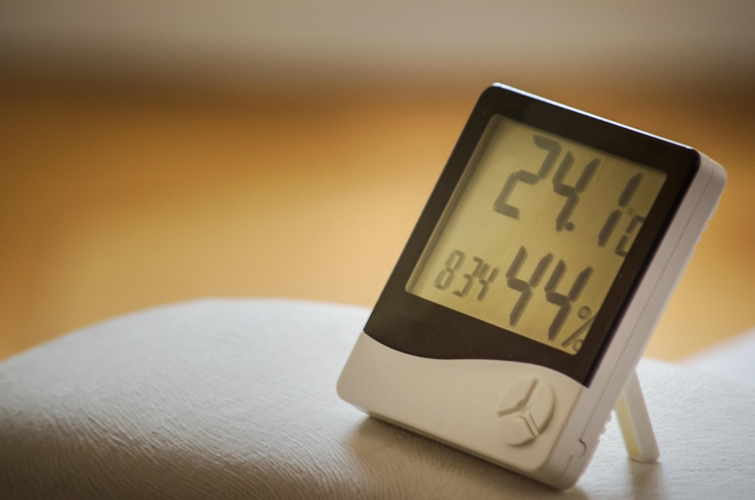
Humidity changes how temperatures feel. Air that is too wet makes summer feel sticky, and too dry makes winter feel sharp. Keep indoor humidity roughly in the 30 to 50 percent range, and your setpoints will feel more comfortable at the same numbers.
Balanced ventilation helps the whole system. A dedicated fresh air path with filtration reduces pollutants and stabilizes humidity in tight homes. Bathroom and kitchen exhaust should run during and after use to prevent water from pooling where it is most difficult to remove.

Budgeting And Future Proofing
Small steps add up. Bundle air sealing, attic insulation, and a control upgrade before replacing major equipment so the new system can be sized to the reduced load. This sequencing often unlocks quieter operation and smaller monthly bills.
Code updates can help guide investments. An analysis of the 2024 energy code revealed that transitioning from the 2021 standard could yield approximately 6.6 percent energy cost savings for typical homes, suggesting the value of improved envelopes and appropriately sized systems.
If your local rules are catching up to that level, plan projects now so you are ready when you upgrade equipment.
A Simple Project Roadmap
Year 1: air sealing, attic insulation, register balancing, smart thermostat
Year 2: targeted window and door improvements, ventilation tune, duct sealing
Year 3: right-size equipment replacement with variable-speed options and room sensors
A balanced home feels calm in little ways. Rooms hold a steady temperature, the system hums quietly, and the air feels clean instead of stale.
With a tight shell, tuned airflow, and simple controls, you can keep comfort steady through heat waves and cold snaps without chasing the thermostat.
(0) comments
We welcome your comments
Log In
Post a comment as Guest
Keep it Clean. Please avoid obscene, vulgar, lewd, racist or sexually-oriented language.
PLEASE TURN OFF YOUR CAPS LOCK.
Don't Threaten. Threats of harming another person will not be tolerated.
Be Truthful. Don't knowingly lie about anyone or anything.
Be Nice. No racism, sexism or any sort of -ism that is degrading to another person.
Be Proactive. Use the 'Report' link on each comment to let us know of abusive posts.
Share with Us. We'd love to hear eyewitness accounts, the history behind an article.