
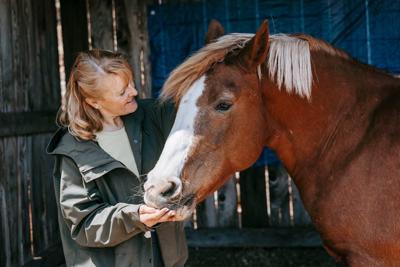

Equine therapy has emerged as a powerful complement to traditional addiction treatment and mental health care. The connection between humans and horses creates unique opportunities for healing, particularly for individuals struggling with substance use disorders, trauma, PTSD, and co-occurring mental health conditions.
However, one of the most common barriers to accessing this specialized form of therapy is cost. Understanding which programs accept insurance coverage can make the difference between accessing this transformative treatment and going without.
Finding equine therapy programs that work with insurance providers requires research and persistence. In this article, Fine Magazine reviews how many treatment centers now recognize the clinical value of equine-assisted therapy and have incorporated it into their comprehensive treatment models. These facilities often accept major insurance carriers, making evidence-based equine interventions accessible to a broader population. The key is knowing where to look and what questions to ask when evaluating your options.
Understanding Insurance Coverage for Equine Therapy
Insurance coverage for equine therapy typically falls under the broader category of behavioral health treatment. When equine-assisted psychotherapy or equine-assisted learning is integrated into a licensed treatment program, insurance companies may cover it as part of the overall therapeutic services. However, standalone equine therapy sessions without connection to a licensed treatment facility are less likely to receive coverage.
Most major insurance providers, including Aetna, Blue Cross Blue Shield, Cigna, UnitedHealthcare, and Anthem, offer some level of coverage for addiction treatment and mental health services that may include equine therapy. The extent of coverage depends on your specific plan, deductible, and whether the facility is in-network or out-of-network. Many treatment centers employ verification specialists who can review your policy and provide clarity on what services will be covered before you commit to treatment.
How Equine Therapy Works in Clinical Settings
Equine therapy operates on the principle that horses are remarkably sensitive to human emotions and nonverbal communication. These animals respond to body language, energy, and emotional states in ways that create immediate feedback for participants. This real-time reflection helps individuals become more aware of their emotional patterns, defense mechanisms, and interpersonal dynamics.
In a clinical setting, licensed therapists facilitate structured interactions between clients and horses. These sessions might involve grooming, leading, or simply observing equine behavior. The therapeutic process is not about riding skills but about the emotional and psychological insights that emerge through these interactions. For individuals in recovery, this approach can help rebuild trust, develop healthy boundaries, practice mindfulness, and process trauma in a non-threatening environment.
Residential Treatment Featuring Horse Therapies
Residential treatment centers that incorporate equine therapy offer immersive healing environments where clients can engage with horses as part of their daily recovery routine. These programs combine traditional evidence-based treatments like cognitive behavioral therapy, group counseling, and medical support with the unique benefits of working alongside horses. The residential setting allows for consistent, progressive engagement with equine-assisted interventions over weeks or months.
Living on-site at a residential rehab featuring horse therapies provides natural opportunities for skill development and emotional growth. Clients often participate in morning stable routines, attend individual therapy sessions, engage in group activities, and spend unstructured time near the horses. This consistent exposure reinforces therapeutic concepts and creates space for genuine transformation. Many individuals report that the responsibility of caring for horses and the unconditional acceptance they receive from these animals becomes a cornerstone of their recovery journey. Residential programs featuring equine therapy frequently accept insurance coverage as part of their comprehensive addiction treatment services.
Key Factors When Searching for Programs
When researching equine therapy programs that accept insurance, several factors deserve attention beyond just coverage verification. The facility should employ licensed mental health professionals trained in equine-assisted psychotherapy, not just horseback riding instructors. Legitimate therapeutic programs follow frameworks established by organizations like the Equine Assisted Growth and Learning Association or PATH International.
Accreditation matters significantly when insurance coverage is involved. Look for facilities accredited by The Joint Commission, CARF (Commission on Accreditation of Rehabilitation Facilities), or state licensing boards. These credentials indicate that the program meets rigorous clinical and safety standards, which often correlate with better insurance relationships.
Geographic location also plays a role in your decision. Some individuals prefer programs close to home for family involvement, while others benefit from the distance that out-of-state treatment provides. Insurance networks may have geographic limitations, so understanding your plan's provisions for out-of-state care is essential if you're considering a facility beyond your immediate area.
Ingrained Recovery: A Closer Look at Accessible Equine Programming
Ingrained Recovery in Georgia represents an example of how modern addiction treatment centers integrate equine therapy into comprehensive care while working with insurance providers. Located on a peaceful property that includes therapeutic horses, the program offers individuals a chance to heal through both traditional clinical methods and experiential therapies that include regular interaction with horses.
The facility's approach to equine therapy focuses on creating authentic connections between clients and animals in a structured therapeutic environment. Participants work with licensed clinicians who guide sessions that address trauma, emotional regulation, communication skills, and self-awareness. The horses at Ingrained Recovery serve as co-facilitators in the healing process, offering clients immediate feedback about their emotional states and behavioral patterns. By accepting various insurance plans, Ingrained Recovery makes this specialized form of treatment available to individuals who might otherwise face financial barriers to accessing equine-assisted interventions within a licensed addiction treatment setting.
Questions to Ask Treatment Centers
Before committing to a program, prepare specific questions that will help you understand both the clinical approach and the financial aspects. Ask whether the facility is licensed to provide addiction treatment or mental health services in their state. Inquire about staff credentials, particularly whether therapists hold certifications in equine-assisted psychotherapy.
On the insurance front, request a benefits verification before admission. Ask if the facility is in-network with your carrier, what your expected out-of-pocket costs will be, and whether they offer payment plans for any remaining balance. Understanding the financial commitment upfront prevents surprises later.
Don't hesitate to ask about the specifics of their equine program. How often do clients interact with horses? What does a typical session look like? How is progress measured? Are family members able to participate in equine sessions during visiting days? These details help you assess whether the program aligns with your needs and expectations.
The Clinical Evidence Supporting Equine Therapy
Research continues to demonstrate the effectiveness of equine-assisted interventions for various mental health and addiction-related challenges. Studies have shown improvements in emotional regulation, reduced anxiety and depression symptoms, enhanced self-efficacy, and decreased PTSD symptoms among participants. The experiential nature of equine therapy activates different neural pathways than talk therapy alone, which may explain why many individuals report breakthroughs during or after horse sessions.
For addiction treatment specifically, equine therapy addresses common underlying issues like trauma, difficulty with trust, poor self-image, and problems with emotional expression. The nonverbal communication required when working with horses can be particularly valuable for individuals who struggle to articulate their feelings or who have experienced trauma that makes traditional talk therapy challenging.
Making Equine Therapy Part of Your Recovery Journey
Equine therapy should be viewed as one component of a comprehensive treatment approach rather than a standalone solution. The most effective programs integrate horse sessions with individual therapy, group counseling, family therapy, medication management when appropriate, and aftercare planning. This multifaceted approach addresses the complex nature of addiction and mental health conditions.
Many individuals who benefit from equine therapy during residential treatment seek ways to continue this connection in their aftercare plans. Some communities offer outpatient equine therapy programs, volunteer opportunities at therapeutic riding centers, or recreational riding options that help maintain the sense of peace and connection developed during treatment.
Finding The Best Equine Therapy That Takes Insurance
Accessing quality equine therapy through insurance coverage is more possible today than ever before. The growing recognition of experiential therapies within the addiction treatment field has led more facilities to incorporate these approaches and more insurance companies to cover them as part of legitimate clinical programs.
Start your search by contacting your insurance provider to understand your behavioral health benefits. Request a list of in-network addiction treatment facilities and then research which of those programs offer equine therapy. Alternatively, identify equine therapy programs that resonate with you and have their admissions teams verify your insurance benefits. Either approach can lead you to a program that offers both the clinical interventions you need and the unique healing opportunities that come from working alongside horses.
The journey to recovery is deeply personal, and finding the right treatment approach can make all the difference. For many individuals, equine therapy provides the missing piece that helps them connect with themselves, process difficult emotions, and build skills for lasting sobriety. With insurance coverage making these programs more accessible, more people can experience the profound healing that emerges from the human-horse connection.
Here are some other article related to your search:
Creating Value in the Equine Market Through Targeted Positioning

(0) comments
We welcome your comments
Log In
Post a comment as Guest
Keep it Clean. Please avoid obscene, vulgar, lewd, racist or sexually-oriented language.
PLEASE TURN OFF YOUR CAPS LOCK.
Don't Threaten. Threats of harming another person will not be tolerated.
Be Truthful. Don't knowingly lie about anyone or anything.
Be Nice. No racism, sexism or any sort of -ism that is degrading to another person.
Be Proactive. Use the 'Report' link on each comment to let us know of abusive posts.
Share with Us. We'd love to hear eyewitness accounts, the history behind an article.