
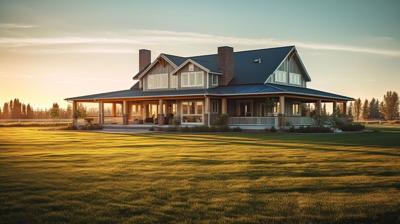

A well-built home doesn’t just look beautiful on reveal day. It feels solid in daily life, stays comfortable through the seasons, and continues to perform years after the last coat of paint dries. Whether you’re planning a custom new build, expanding with an addition, or tackling a major renovation that needs true construction work, the path to a great outcome is surprisingly similar: clear goals, smart planning, and a disciplined build process.
This guide is written for homeowners who care about quality, longevity, and a finished result that looks intentional, not improvised. It’s not a sales pitch. It’s a practical roadmap for getting the most out of your investment in construction, from the earliest decisions to the final walkthrough.
What “good construction” looks like in real life
Most people judge construction by what they can see: straight lines, clean trim, smooth drywall, and nice finishes. Those things matter, but the biggest difference between a home that ages gracefully and one that turns into a maintenance project is often hidden behind walls and under floors.
High-quality construction usually shares four traits:
The structure is right (load paths, framing, and connections are correct)
Water is managed (flashing, drainage planes, and wet-area details are deliberate)
Systems work together (HVAC, insulation, ventilation, and air sealing are aligned)
Sequencing is disciplined (prep and rough work are done correctly before finishes)
If any one of those pillars is weak, the home may still photograph well, but it won’t perform as well long-term.
New construction starts with lifestyle, not floor plans
If you’re building a new home, you’ll see thousands of beautiful plans. The best plan for you is the one that fits how you live, not what looks most impressive on paper.
Before you pick a layout, define your non-negotiables. Consider how you move through the house on a normal weekday. Where do bags, shoes, and coats land? How does the kitchen function when more than one person is cooking? Do you want your primary suite to feel like a retreat, or do you prioritize an open gathering space?
A smart planning approach is to separate “must-have” function from “nice-to-have” finishes. You can always upgrade finishes later. It’s much harder to fix an awkward layout once walls are built.
The choices that make a new home feel custom
Even in a simple footprint, a home can feel elevated when you plan for the details that affect daily comfort.
Think about:
Natural light and sightlines at the times you’re actually home
Storage that matches your life (pantries, drop zones, linen space, seasonal storage)
Quiet zones (bedrooms, office, or media spaces that aren’t echo chambers)
Outdoor living connections (a usable patio and traffic flow that feels natural)
Those decisions create the “fine home” feeling more reliably than chasing trends.
Additions that look original, not “tacked on”
A well-designed addition should feel like it belongs to the house. That’s as much about construction strategy as design. The best additions respect rooflines, window rhythm, exterior proportions, and interior transitions so the new space feels cohesive.
When homeowners are unhappy with an addition, it’s often for one of two reasons: it doesn’t match the home visually, or it doesn’t integrate with the home structurally and mechanically.
The construction details that matter most in an addition
This is where good general contracting and good building practices intersect. The most important work is often the least visible.
Pay special attention to:
How the new roof ties into the existing roof (leak prevention starts here)
Exterior water management at the connection point (flashing and drainage plane continuity)
Foundation and framing transitions (movement and settling need to be anticipated)
HVAC planning for the added square footage (comfort problems often show up later)
If you plan these details early, the addition will feel seamless and perform like the rest of the home.
Major renovations still require “construction thinking”
A large remodel is not just “new finishes.” Once you move walls, change openings, modify structural members, or rebuild damaged areas, you’re in true construction territory. That’s where general contracting becomes essential: coordinating the work, sequencing the phases, and ensuring decisions are made in the right order.
A common homeowner mistake is selecting finishes before confirming what the structure and substrate need. For example, tile and hardwood demand flat, stable substrates. Premium finishes installed over questionable prep often fail, even if the finish material is top-tier.
The phases of a well-run project
Whether it’s new construction, an addition, or a construction-heavy remodel, most successful projects follow a predictable rhythm. It’s helpful to understand the phases so you know what “good progress” looks like and when key decisions must be made.
Here’s a simple overview:
Phase | What you’re accomplishing | What homeowners should watch for |
Planning and design | Final scope, layout, selections | Clear drawings, clear scope, realistic budget |
Site prep and rough structure | Foundation, framing, tie-ins | Straight framing, solid connections, weather protection |
Rough-ins | Plumbing, electrical, HVAC | Thoughtful placement, future-ready options |
Building envelope | Insulation, air sealing, exterior layers | Water management and comfort performance |
Finishes and details | Drywall, paint, trim, surfaces | Clean transitions, consistent workmanship |
Final walkthrough | Punch list, adjustments | Clear expectations, complete closeout |
The key is not rushing from one phase to the next. When a phase is skipped or compressed, it usually shows up later as rework.
Selecting a general contractor who can deliver quality
Many homeowners compare contractors by price and timeline alone. Those matter, but they’re not the full story. A great general contractor is essentially a risk manager for your home: protecting you from surprise costs, poor sequencing, and weak details that lead to future problems.
A high-performing GC tends to stand out in three ways:
They clarify the scope
You understand what’s included, what’s excluded, and what decisions remain open.
They communicate options without pressure
You’re given practical paths, not vague promises.
They run the jobsite with discipline
Protection, cleanliness, and sequencing are consistent.
Questions that reveal how a builder thinks
Instead of asking only “How much?” and “How fast?”, ask questions that reveal planning ability and build philosophy. Here are four that work well:
How do you handle unknowns behind walls or under floors?
What details do you treat as non-negotiable for durability?
How do you keep change orders and scope creep under control?
What does a realistic timeline look like for this scope, and why?
The answers will tell you whether the contractor is prepared to protect your investment.
Budgeting for quality without wasting money
Construction budgets can rise quickly when choices are made out of sequence or when every upgrade is treated as equally important. The best approach is to spend where performance matters and choose finishes strategically.
Performance-first investments often include:
Building envelope improvements (water management, insulation strategy, air sealing)
High-quality windows and door installation details (not just the unit brand)
Proper waterproofing in wet areas (systems, not just tile and grout)
Structural corrections that prevent movement and future cracks
Then, choose finishes with a clear plan. You can absolutely create a luxury look with thoughtful selections rather than automatically buying the most expensive product in every category.
The hidden driver of “luxury”: comfort and durability
In high-end homes, the difference is rarely a single material. It’s the combined effect of quiet, comfort, and clean execution.
If you want a home to feel elevated, plan for:
Temperature consistency room-to-room
Quiet mechanical operation and sound control where it matters
Lighting that flatters finishes and supports the way you live
Storage that keeps countertops and living spaces calm and uncluttered
These are the details that make a home feel refined every day, not just impressive for guests.
Change orders and how to avoid them
Change orders aren’t always bad. Sometimes they’re the right decision when new information is discovered or when homeowners refine choices. The problem is when change orders become constant, unpredictable, and expensive.
The easiest way to reduce change orders is to lock scope early and keep allowances realistic. Another strategy is to make “decision deadlines” part of the plan, so materials and fixtures are chosen before they affect scheduling and labor flow.
A good project doesn’t eliminate change. It controls it.
Build for the next decade
Trends change, but good construction principles don’t. The projects homeowners love most after five or ten years usually share the same foundation: a clear plan, strong build details, and a contractor who keeps the work disciplined from start to finish.
If you’re planning new construction, an addition, or a major renovation, your best move is to approach it like a long-term investment. Choose decisions that protect the structure, manage water correctly, and deliver comfort you can feel every day.


(0) comments
We welcome your comments
Log In
Post a comment as Guest
Keep it Clean. Please avoid obscene, vulgar, lewd, racist or sexually-oriented language.
PLEASE TURN OFF YOUR CAPS LOCK.
Don't Threaten. Threats of harming another person will not be tolerated.
Be Truthful. Don't knowingly lie about anyone or anything.
Be Nice. No racism, sexism or any sort of -ism that is degrading to another person.
Be Proactive. Use the 'Report' link on each comment to let us know of abusive posts.
Share with Us. We'd love to hear eyewitness accounts, the history behind an article.