
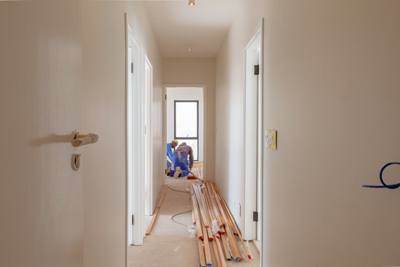

Renovating a home calls for decisions that respect the building’s original design, especially in communities shaped by distinct regional history. In Allyn, WA, many homes reflect coastal influences, woodland surroundings, and decades of architectural evolution. Residents value upgrades that improve comfort and reliability while maintaining the character that defines the area. Homeowners often look for practical ways to improve layout efficiency, reinforce aging materials, and support long-term durability. Thoughtful planning ensures every choice strengthens the existing structure rather than working against it. Renovation success grows from understanding how each component connects, functions, and supports daily living.
1. Understanding Structural Intent
Every home carries a built-in logic that guides how rooms flow, how weight transfers, and how utilities move. Renovations work best when they respect that logic. Homeowners study framing patterns, load paths, and original design choices to understand why the house feels and performs as it does. This awareness helps avoid changes that strain the building or reduce comfort. A renovation that matches structural intent enhances stability and usefulness. Strong results form when homeowners examine the home’s framework, identify strengths, and plan improvements that reinforce, refine, and complement the existing layout and build quality.
2. Respecting Regional Conditions
Climate, geography, and local building trends shape renovation priorities in meaningful ways. Homes in Allyn’s coastal setting experience seasonal moisture, shifting temperatures, and steady exposure to wind. Renovation plans often include improved weather-resilience, stronger exterior materials, and updated structural supports. Local homeowners also lean on a trusted Allyn roof replacement company when evaluating how the environment affects long-term performance. Coastal storms, tree cover, and soil conditions can influence choices about ventilation, siding, and roofing. Thoughtful adjustments create harmony between the home and surrounding conditions, ensuring the structure performs reliably through daily use and seasonal shifts.
3. Enhancing Layout Efficiency
Homeowners often want a layout that feels open, practical, and well-connected. Renovations achieve this by studying how people move through each room and how walls, beams, and mechanical systems guide that movement. Removing a wall may sound appealing, but structural elements determine whether that change supports or harms the home’s integrity. Careful planning identifies which shifts improve comfort without undermining stability. A well-balanced layout increases natural light, improves airflow, and encourages smoother transitions between spaces. Choosing updates that support the structure’s logic creates a home that feels intuitive, comfortable, and better suited to everyday routines.
4. Strengthening the Building Envelope
A strong exterior protects every interior improvement. Homeowners gain long-term value when they reinforce roofing, siding, windows, and doors with materials that match structural demands. These upgrades defend the home against moisture, temperature swings, and physical stress. Renovation plans that strengthen the envelope also improve energy efficiency and interior comfort. Solid choices include high-quality weather-proof materials, proper sealing, and well-supported framing connections. By treating the building envelope as a unified system, homeowners prevent small issues from becoming larger problems. Strength, durability, and thoughtful construction provide a stable foundation for every future improvement.
5. Updating Mechanical Systems
Modern mechanical systems add convenience, efficiency, and reliability, but they also interact closely with the home’s structure. Renovations consider how ducts, pipes, and wiring travel through framing and how updated equipment changes load, airflow, or electrical demand. Homeowners coordinate structural knowledge with mechanical upgrades to avoid strain on walls, joists, or ceilings. Smart planning places new systems where they suit both function and structure. A well-designed approach creates balance between comfort and durability. Efficient systems operate smoothly, conserve energy, and support the home’s long-term health by aligning mechanical improvements with the building’s underlying framework.
6. Reinforcing Load-Bearing Elements
Renovations depend on a clear understanding of which components carry weight and how that weight moves through the structure. Homeowners study beams, posts, joists, and foundational points to confirm each improvement supports strength rather than strain. When plans require wall adjustments or added features, reinforcement ensures the house stays steady and balanced. Careful evaluation allows homeowners to choose materials that match the original build while still upgrading performance. Strong, well-supported load-bearing elements give every renovation a reliable backbone. This approach protects long-term stability and helps the house handle both daily demands and future improvements with confidence.
7. Improving Natural Lighting Strategies
Natural lighting shapes mood, comfort, and spatial clarity. Renovations that follow structural logic treat light as a design partner rather than an afterthought. Homeowners examine window placement, ceiling height, and directional exposure to understand how sunlight enters each room. Adjustments that increase brightness may include enlarging openings, adding clerestory windows, or reworking interior partitions. These updates rely on structural awareness, since window expansion affects framing and load distribution. When done thoughtfully, enhanced lighting feels organic and consistent with the home’s original form. Better illumination improves energy efficiency, supports healthier living, and strengthens the home’s overall design harmony.
8. Integrating Energy-Efficient Upgrades
Energy-efficient updates deliver meaningful savings and higher-quality comfort, but they also require structural awareness. Homeowners consider insulation levels, duct pathways, equipment size, and wall composition before choosing long-term energy improvements. Structural compatibility ensures every new feature performs at its best. Tight air-sealing, improved thermal resistance, and updated ventilation systems all benefit from a solid structural base. When homeowners align efficiency goals with the home’s built form, they create a system that works smoothly and reliably. These improvements lower operating costs, reduce strain on mechanical equipment, and make the home feel more stable and consistent through seasonal changes.
9. Maintaining Material Consistency
A well-renovated home blends old and new materials without creating awkward transitions. Renovations that respect structure also respect the details that define the home’s character. Homeowners choose materials that complement original textures, joinery, and proportions. Consistency supports structural coherence, since mismatched densities or incompatible systems can create stress points. Floors, trims, siding, and cabinetry all benefit from thoughtful alignment with existing craftsmanship. Material harmony makes each upgrade feel deliberate and well integrated. When homeowners give attention to these details, the home’s story stays intact, and each renovation enhances the visual and structural unity of the entire space.
Renovating with the home’s structure in mind creates a balanced blend of beauty, performance, and longevity. Every improvement gains strength when homeowners understand how framing, materials, and environmental factors influence the final result. Structural awareness encourages smarter decisions, steadier craftsmanship, and upgrades that feel purposeful rather than forced. This approach helps the home serve its owners well through changing seasons, shifting needs, and future projects. A renovation grounded in structural respect builds comfort, stability, and confidence.

(0) comments
We welcome your comments
Log In
Post a comment as Guest
Keep it Clean. Please avoid obscene, vulgar, lewd, racist or sexually-oriented language.
PLEASE TURN OFF YOUR CAPS LOCK.
Don't Threaten. Threats of harming another person will not be tolerated.
Be Truthful. Don't knowingly lie about anyone or anything.
Be Nice. No racism, sexism or any sort of -ism that is degrading to another person.
Be Proactive. Use the 'Report' link on each comment to let us know of abusive posts.
Share with Us. We'd love to hear eyewitness accounts, the history behind an article.